science
Study Links Sleep Duration to Biological Ageing Clocks
A Nature research paper examined self-reported sleep duration and 23 biological ageing clocks derived from imaging, proteomics and metabolomics. The analysis found a U-shaped pattern between sleep length and biological age gaps across multiple body systems.
May 19, 11:13 AM·1m read1 source
NA
 naturalnews.com
Audio version
Tap play to generate a narrated version.
Developing·Limited corroboration so far. This page will refresh as more sources emerge.
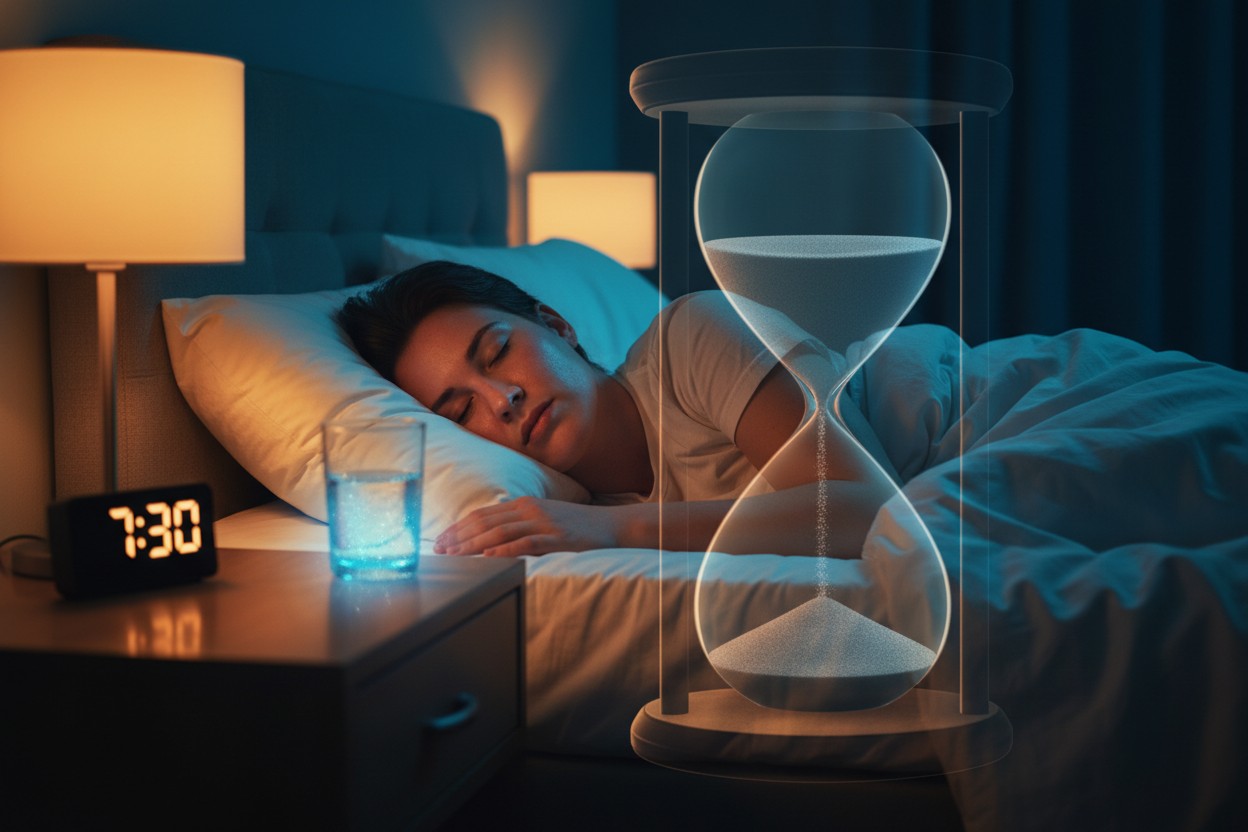
A Nature research paper examined the relationship between self-reported sleep duration and 23 biological ageing clocks derived from in vivo imaging, plasma proteomics and metabolomics. The study identified a U-shaped pattern between sleep duration and biological age gaps across nine brain and body systems. 8 hours of sleep, varying by organ and sex in UK Biobank participants aged 37–84 years.
Short sleep under six hours and long sleep over eight hours were associated with increased risk of systemic diseases and all-cause mortality compared with six to eight hours of sleep. Genetic correlations and time-to-incident survival predictions linked these durations to conditions such as depression and diabetes.
The pathways connecting sleep duration to late-life depression differed by length. Ageing clocks partially mediated the association for long sleep, while short sleep showed a more direct link. Mendelian randomization did not provide strong evidence that disease causally affects sleep, though reverse causality could not be fully excluded.
The findings suggest a cross-organ, multi-omics U-shaped relationship between sleep duration and biological ageing clocks.