Substrate
politics

Taiwan Legislature Passes NT$780 Billion Supplementary Defense Budget After Cutting Domestic Missile Programs

Taiwan’s opposition-controlled legislature passed the pared-back spending measure on Friday in a 59-0 vote, with Democratic Progressive Party lawmakers abstaining. The funds are restricted to two U.S. arms packages and do not include earlier proposals for domestic defense programs. The vote follows months of wrangling since the budget was first proposed in November 2025.

Breaking Defense
1 source·May 11, 4:34 PM(18 days ago)·1m read
Taiwan Legislature Passes NT$780 Billion Supplementary Defense Budget After Cutting Domestic Missile ProgramsBreaking Defense
Audio version
Tap play to generate a narrated version.
Developing·Limited corroboration so far. This page will refresh as more sources emerge.

Taiwan’s 113-seat legislature passed a NT$780 billion ($25 billion) supplementary defense budget on Friday in a 59-0 vote, with 48 lawmakers from the Democratic Progressive Party abstaining. 25 trillion originally proposed by the Lai administration. Funding is limited to two separate US arms packages for Taiwan.

The packages include $11 billion USD in arms sales cleared by the US State Department in December 2025 for M109A7 tracked howitzers, ATACMS ballistic missiles, BGM-71 TOW missiles, and Javelin anti-tank guided missiles. NT$480 billion of the approved supplementary budget is allocated to a future US arms package expected to include counter-drone systems, Patriot air-and-missile defense interceptors, and Hellfire missiles.

The supplementary budget strips proposed funding for Taiwan’s domestic defense industry programs including the Chiang Kung (Strong Bow) anti-ballistic missile program. The Chiang Kung (Strong Bow) anti-ballistic missile is intended to form the backbone of Taiwan’s new T-Dome air defense system. The opposition Kuomintang (KMT) and Taiwan People’s Party control Taiwan’s legislature.

Taiwanese President Lai Cheng-te leads the Democratic Progressive Party (DPP). The opposition says the defunding of domestic programs is due to a lack of clarity from the Lai administration about how the money will be spent. The opposition says the defunding was a measure to guard against corruption.

The DPP accused its opponents of hamstringing Taiwan’s defense and helping China. US de facto ambassador to Taiwan Raymond Greene said in April 2026 that it was vital that the supplementary budget was approved. Taiwan’s government originally proposed the supplementary budget in November 2025.

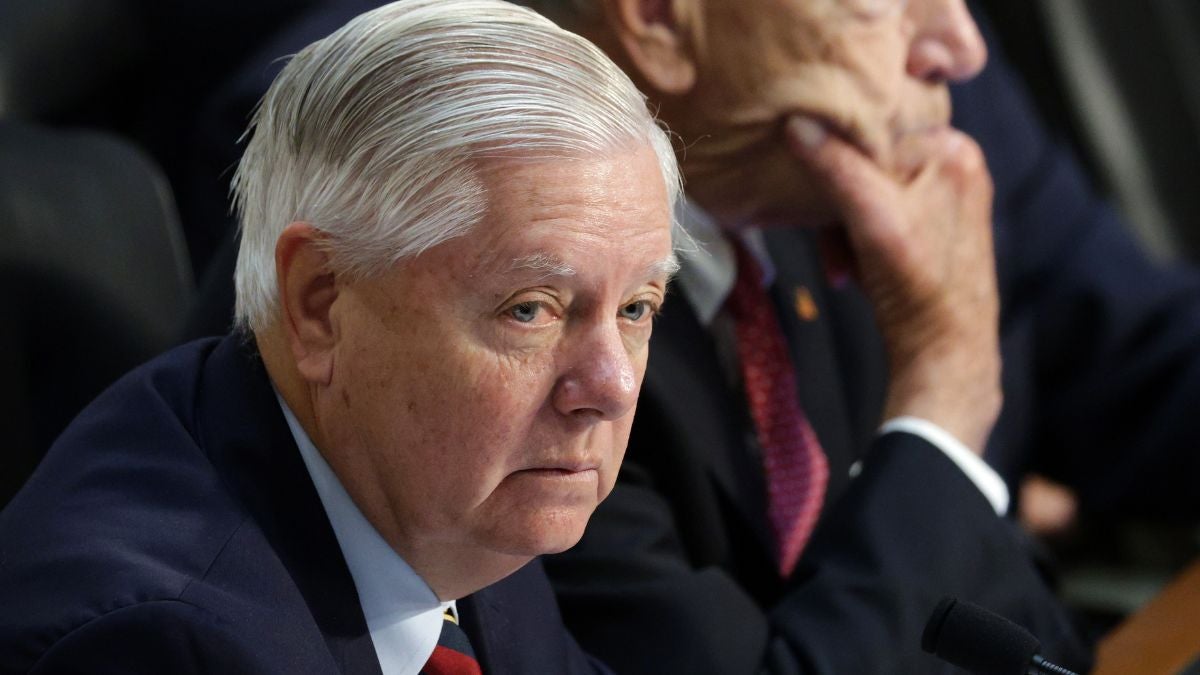
The impasse had drawn concern from US officials, including Raymond Greene’s statement months earlier. Breaking Defense reported that the passage of the bill had been mired in wrangling until Friday’s vote.

Key Facts

Taiwan passed a NT$780 billion supplementary defense budget
Passed 59-0 on Friday with 48 DPP lawmakers abstaining; total is lower than the NT$1.25 trillion originally proposed and limited to two US arms packages
NT$480 billion allocated to future US arms package
Expected to include counter-drone systems, Patriot interceptors and Hellfire missiles, per KMT caucus leader Fu Kun-chi
Domestic programs defunded
Includes stripping funding for the Chiang Kung (Strong Bow) anti-ballistic missile intended as backbone of the T-Dome system

Story Timeline

4 events
  1. 2025-11

    Taiwan government originally proposed the supplementary budget

    1 sourceBreaking Defense
  2. 2025-12

    US State Department cleared $11 billion in arms sales to Taiwan

    1 sourceBreaking Defense
  3. 2026-04

    US de facto ambassador Raymond Greene stated it was vital the supplementary budget be approved

    1 sourceBreaking Defense
  4. 2026-05-08

    Taiwan legislature passed NT$780 billion supplementary defense budget in 59-0 vote

    1 sourceBreaking Defense

Potential Impact

  1. 01

    Immediate boost to Taiwan's ability to acquire specified US weapons systems including howitzers, ATACMS, TOW, and Javelin

  2. 02

    Continued political friction between DPP-led administration and KMT-TPP legislative majority over defense priorities

  3. 03

    Delay or cancellation of domestic Chiang Kung anti-ballistic missile development

Transparency Panel

Sources cross-referenced1
Confidence score75%
Synthesized bySubstrate AI
Word count281 words
PublishedMay 11, 2026, 4:34 PM
Bias signals removed2 across 2 outlets
Signal Breakdown
Loaded 2

Related Stories

Trump Meets Advisers to Decide on Iran Ceasefire ExtensionAl Jazeera
politics13 min ago

Trump Meets Advisers to Decide on Iran Ceasefire Extension

President Trump said he is holding a Situation Room meeting to make a final decision on a possible deal with Iran. The proposed agreement would extend the ceasefire by 60 days and reopen the Strait of Hormuz.

Al Jazeera
JA
MA
AF
AJ
+6
11 sources
Russian Drone Strikes Romanian Apartment Building, Injuring TwoFrance 24
politics2 hrs agoUpdated

Russian Drone Strikes Romanian Apartment Building, Injuring Two

A Russian drone crashed into a residential building in eastern Romania during an overnight attack on Ukraine. Two people were injured and Romania requested faster NATO anti-drone support.

AB
Cbs News
SK
The Hill
France 24
+8
14 sources
Trump Says U.S. Will Lift Iran Naval Blockade After Nuclear and Hormuz Pledgesrealitytea.com
politics2 hrs agoDeveloping

Trump Says U.S. Will Lift Iran Naval Blockade After Nuclear and Hormuz Pledges

President Trump stated the U.S. will end its naval blockade of Iran once Tehran commits to forgoing nuclear weapons and opens the Strait of Hormuz to unrestricted shipping. The announcement came via Truth Social and a live statement.

FI
LI
MA
3 sources