Take It Down Act Requires Platforms to Remove Nonconsensual Imagery Within 48 Hours
The Take It Down Act took full effect on May 19, 2026. The law requires online platforms to remove nonconsensual intimate imagery within 48 hours of a valid request or face civil penalties.
 theverge.com
A federal law requiring social networks to remove nonconsensual intimate imagery within 48 hours is now in force. The Take It Down Act, signed by President Donald Trump in May 2025, criminalized distribution of such material and added a takedown requirement that began applying on May 19, 2026.
Federal Trade Commission Chair Andrew Ferguson sent letters to more than a dozen companies ahead of the deadline. The list included Amazon, Alphabet, Apple, Automattic, Bumble, Discord, Match Group, Meta, Microsoft, Pinterest, Reddit, SmugMug, Snapchat, TikTok, and X.
The letters instructed platforms to provide an easy request process and to remove both the reported content and any known identical copies.
Companies that violate the 48-hour removal rule can face civil penalties of more than $53,000 per violation. Several major platforms had previously expressed support for the law. Meta, Microsoft, Google, TikTok, and Snap said they were prepared to comply.
Snap stated that the law aligns with its existing safety efforts. Meta head of women’s safety Cindy Southworth said the company has long worked to remove intimate image abuse and has developed tools to detect it. TikTok US spokesperson Mahsau Cullinane said the company maintains a zero-tolerance policy for nonconsensual intimate imagery and offers reporting tools.
X has also supported the law despite past incidents involving sexually explicit AI-generated images on the platform.
Some advocacy groups have raised questions about how the law will be applied. Mary Anne Franks, president of the Cyber Civil Rights Initiative, said the law could be enforced unevenly. She expressed concern that it might be used against certain platforms or types of content.
The law’s criminal provision has already been used in one case. The Justice Department reported a conviction of an Ohio man who created sexually explicit AI deepfakes to harass victims. It remains unclear whether the takedown requirement covers all forms of AI-generated imagery or privately produced content.
Transparency
Reported by a single outlet. This score reflects source tier and factual specificity — corroboration is limited with one source.
Story details
Related Stories
 foxbusiness.com
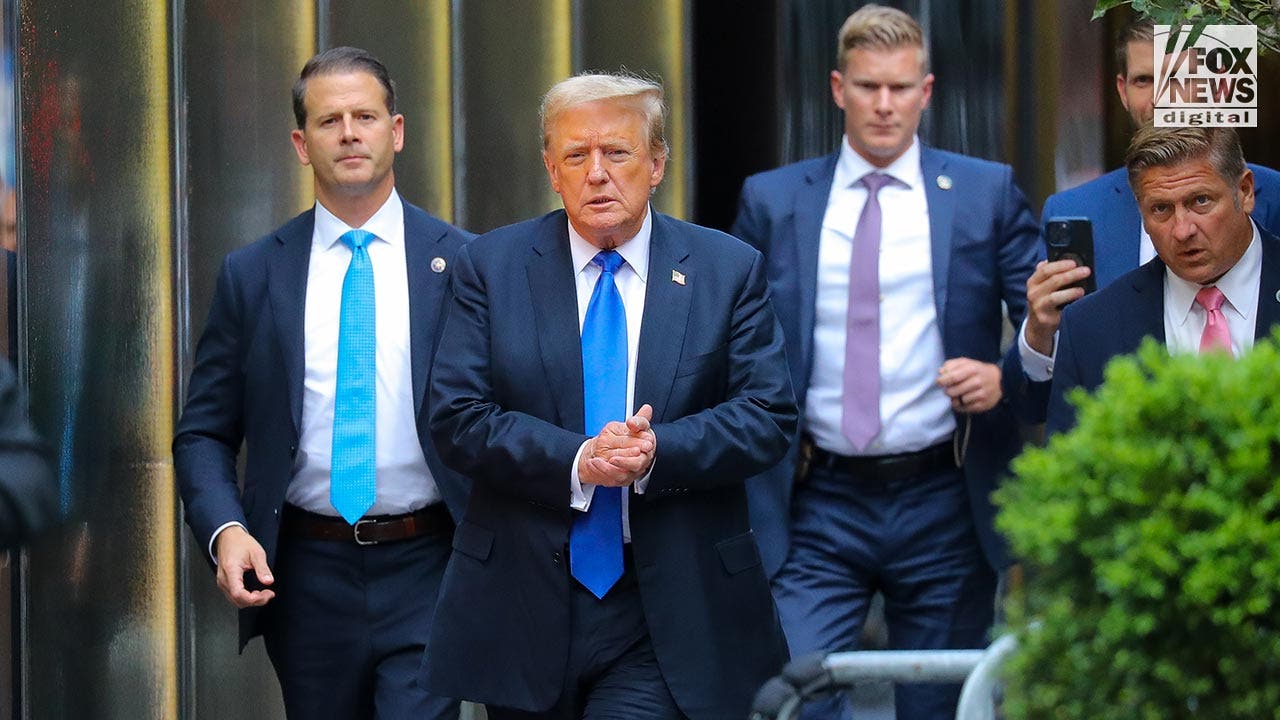
Trump Shares AI Images of Proposed White House Ballroom and Drone Port Amid Ongoing Legal Battle
President Trump posted AI-generated images of a proposed drone port atop a planned White House ballroom and criticized a federal judge overseeing related litigation. Construction continues while an appeals court holds an injunction in place.
 fortune.com
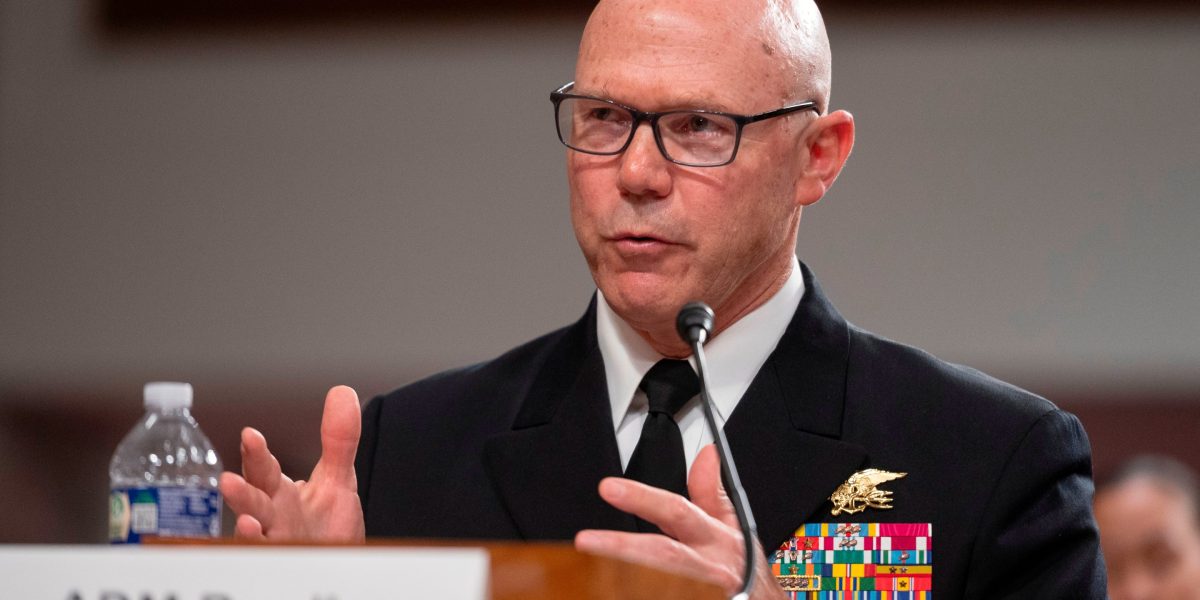
U.S. Special Operations Command Reports Increasing Use of AI to Enhance Targeting and Decision Speed
Admiral Frank Bradley said humans must retain confidence that AI will deliver violence only where intended. Defense Secretary Pete Hegseth continues to push rapid AI adoption across the military.
 The Times
Sapiens International Sets Up London Headquarters to Expand AI Insurance Tools
Private equity-backed Sapiens International is establishing a London headquarters. The company plans to use artificial intelligence to automate portions of insurance work. Abu Dhabi holds a stake in the firm.