science
Tropical Storm Boris Forms Off Mexico, Cristina Forms Off Nicaragua
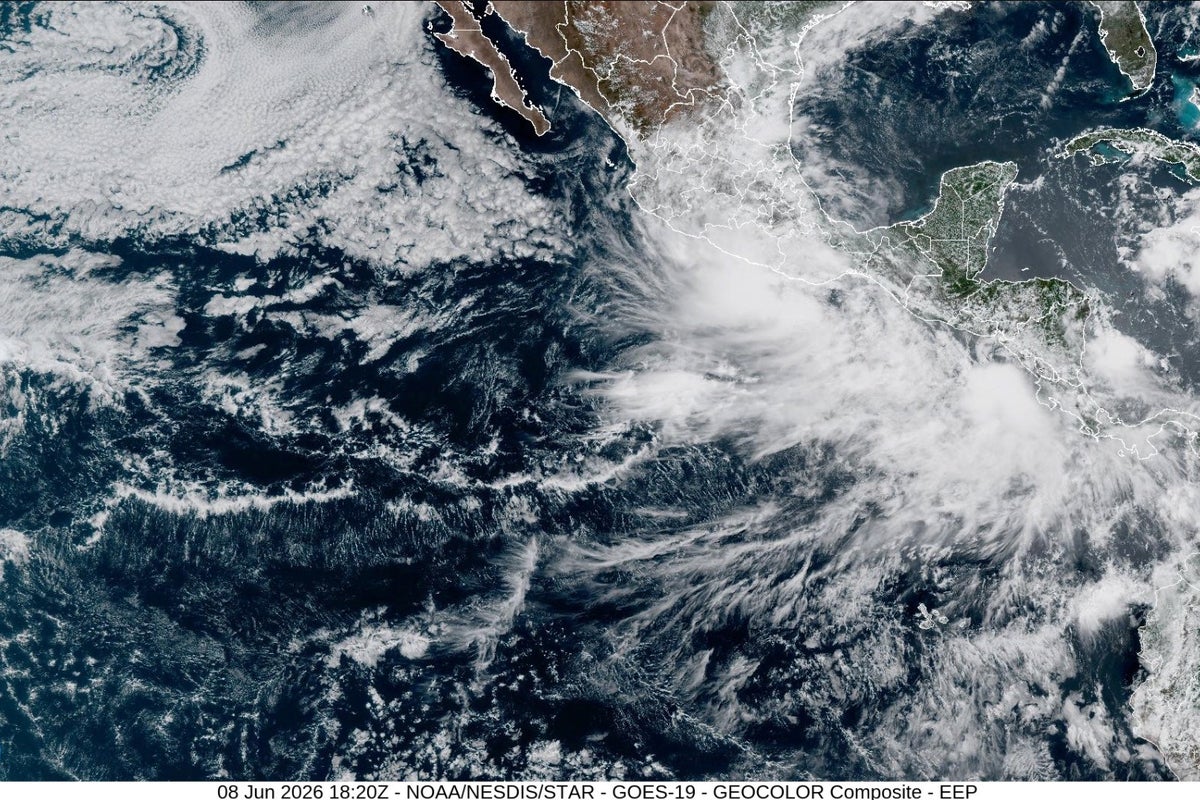
Two Pacific storms formed Monday. Boris is forecast to bring heavy rain and flooding to parts of Mexico's coast while Cristina threatens Central America with up to 12 inches of rain.
 The Independent
Audio version
Tap play to generate a narrated version.
Tropical Storm Boris formed Monday off Mexico's southern Pacific coast and is expected to bring heavy rain, flooding and possible mudslides to parts of Guerrero and Oaxaca. The U.S. National Hurricane Center said Boris was located about 85 miles southeast of Acapulco and 50 miles southwest of Punta Maldonado.
The storm had maximum sustained winds of 40 mph and was moving northeast at 2 mph. Boris is forecast to turn north and make landfall along the coast of Guerrero by Monday evening. Rainfall totals of 4 to 10 inches are expected in coastal areas through Monday night.
"This rainfall may produce life-threatening flooding and mudslides, especially in areas of steep terrain," the center said. A tropical storm warning remains in effect from Laguna de Chacahua in Oaxaca to Tecpan de Galeana in Guerrero. Tropical Storm Cristina formed Monday in the Pacific Ocean off the coast of Nicaragua, the National Hurricane Center said.
Cristina had maximum sustained winds of 45 mph and was centered 100 miles west-southwest of Managua. The storm was about 170 miles southeast of San Salvador. A tropical storm warning is in effect from Puerto Sandino to the Guatemala-El Salvador border.
Forecasters expect Cristina to bring 4 to 8 inches of rain, with isolated totals up to 12 inches, across coastal Nicaragua, Honduras, El Salvador and Guatemala through Thursday. Boris is the second named storm of the Pacific hurricane season, which began May 15.
Tropical Storm Amanda formed June 3 far out to sea and posed no threat to land. The Atlantic hurricane season started June 1, but no cyclones have formed in that basin yet this year. Boris is not expected to affect Mexico's three World Cup host cities and is forecast to weaken after landfall and dissipate inland by Tuesday.