ai
Trump Administration Rejects Heavy AI Regulation in Favor of Market Approach
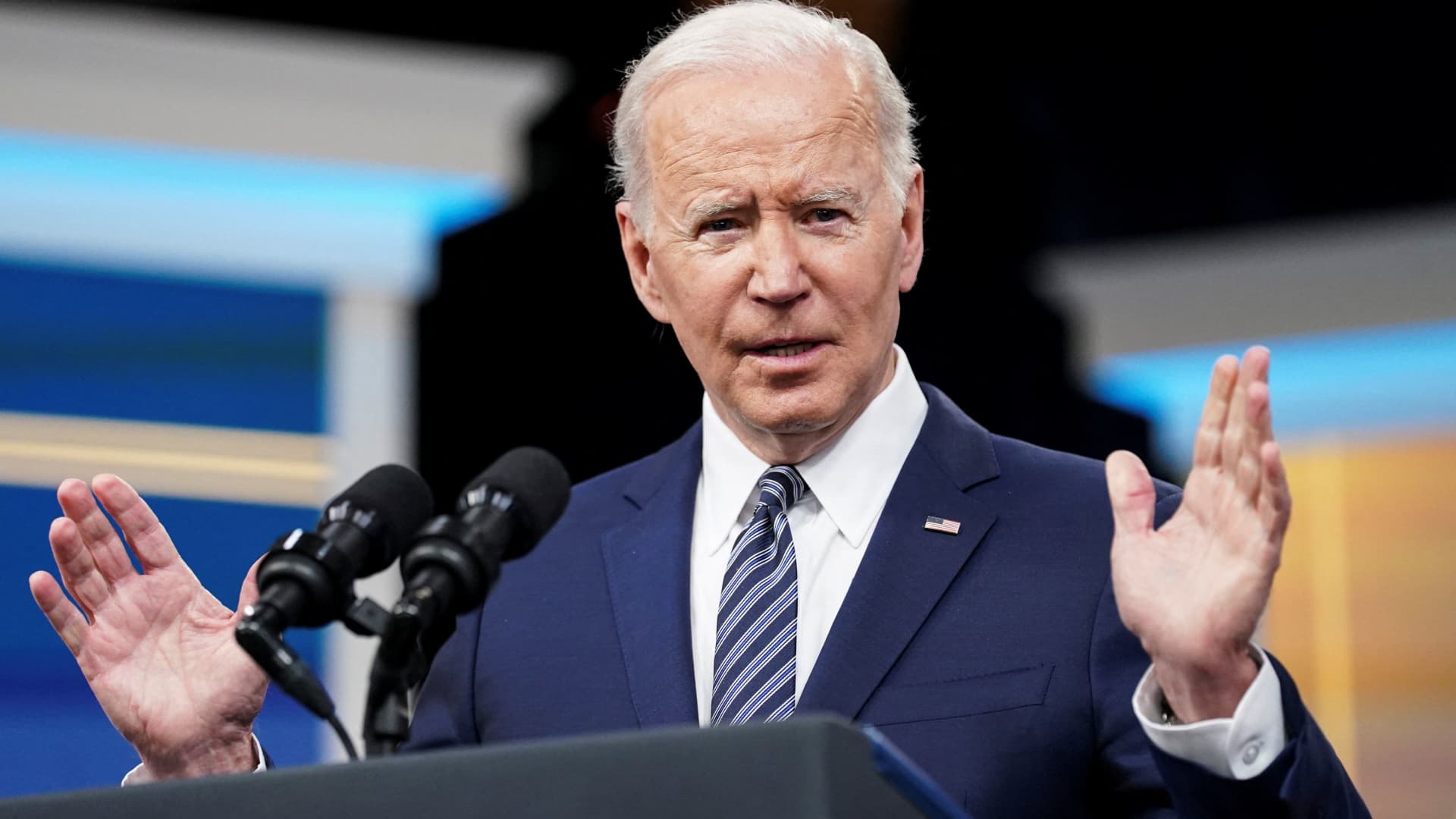
President Trump renewed a commitment to U.S. leadership in artificial intelligence during a recent summit with Chinese President Xi Jinping. The administration has moved away from prior regulatory policies and toward a lighter-touch framework for the sector.
May 21, 7:00 AM·1m read1 source
 nbcnews.com
Audio version
Tap play to generate a narrated version.
President Donald Trump renewed his commitment to seeing America win the AI race at his recent summit with Chinese President Xi Jinping. The Trump administration has rejected the approach of centralized government control and heavy regulation and taken the approach of allowing American technology to flourish.
Anthropic has become an advocate of AI regulation. The company has endorsed legislation that adds new liability expenses, additional disclosure laws, and bans on competitors exporting the physical chips that AI data centers rely on. White House AI czar David Sacks stated that Anthropic is running a sophisticated regulatory capture strategy based on fearmongering.
Anthropic’s recent moves suggest the company has adopted the approach of regulating competitors rather than competing directly in the market.
Another problem with federal regulation and collaboration with AI companies is that these tools increasingly shape the way we perceive and understand information. When a small band of tech insiders collaborates with federal bureaucrats to set the standards for artificial intelligence, the resulting guardrails are almost certain to impose some left-wing vision of regulators rather than the practical needs of consumers.
In the end, the vision of centralized control offered by Anthropic is anti-American, and the discipline and ruthless authoritarianism of the Chinese Communist Party mean we can never beat China by adopting their model. We can and will beat them by doing it the American way, through a decentralized, hands-off approach that ensures that the best ideas, driven by raw American ingenuity and free-market competition, will rise to the top and expand our global lead.