Substrate
politics

Trump Approval Rating Falls to 34 Percent in New Quinnipiac Poll

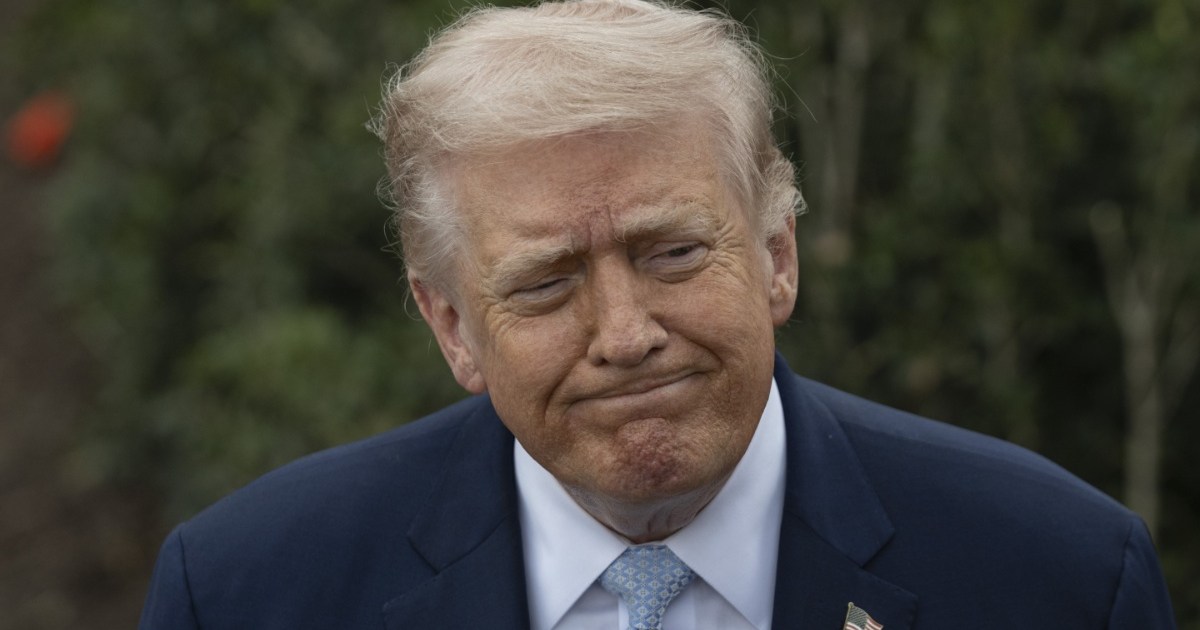
A Quinnipiac University survey released Wednesday shows President Trump's approval rating at 34 percent and disapproval at 58 percent. The poll marks the lowest approval rating recorded for the president during his second term.

Newsweek
1 source·May 20, 10:41 PM(8 days ago)·1m read
Trump Approval Rating Falls to 34 Percent in New Quinnipiac Pollrealitytea.com
Audio version
Tap play to generate a narrated version.

A Quinnipiac University poll released on Wednesday shows President Trump's approval rating at 34 percent and his disapproval rating at 58 percent. The survey marks the lowest approval rating the president has received during his second term according to the pollster. 7 percent. Approval dropped four percentage points from the previous month's survey while disapproval rose three points.

Eighty percent of Republicans approve of the president's job performance while 12 percent disapprove. Two percent of Democrats approve compared with 97 percent who disapprove. Among independents, approval stands at 26 percent and disapproval at 64 percent.

The president also recorded a 33 percent approval rating on the economy and a 64 percent disapproval rating. This figure represents the lowest economic approval rating the president has received across both terms.

A YouGov/The Economist survey released Tuesday showed a 37 percent approval rating and 57 percent disapproval. An AP-NORC poll conducted from May 14 to May 18 found 37 percent approval and 62 percent disapproval. White House Spokesman Davis Ingle said in an email to Newsweek on Wednesday that the November 2024 election represented the ultimate poll and that the president continues to work on jobs, inflation, and housing affordability.

Key Facts

34 percent approval
current rating in Quinnipiac poll
1,106 respondents
sample size for Quinnipiac survey
3.7 percent margin of error
reported for Quinnipiac poll
33 percent economic approval
lowest across both presidential terms

Story Timeline

3 events
  1. May 20, 2026

    Quinnipiac University releases poll showing 34 percent approval for President Trump.

    1 sourceNewsweek
  2. May 19, 2026

    YouGov/The Economist survey shows 37 percent approval for the president.

    1 sourceNewsweek
  3. May 18, 2026

    AP-NORC poll conducted among 1,117 adults ends data collection period.

    1 sourceNewsweek

Potential Impact

  1. 01

    The poll results may influence Republican campaign strategies ahead of November midterms.

  2. 02

    Lower approval among independents could affect turnout in competitive districts.

Transparency Panel

Sources cross-referenced1
Confidence score75%
Synthesized bySubstrate AI
Word count206 words
PublishedMay 20, 2026, 10:41 PM
Bias signals removed2 across 1 outlet
Signal Breakdown
Amplifying 1Editorializing 1

Related Stories

Trump Meets Advisers to Decide on Iran Ceasefire ExtensionBBC News
politics1 hr ago

Trump Meets Advisers to Decide on Iran Ceasefire Extension

President Trump said he is holding a Situation Room meeting to make a final decision on a possible deal with Iran. The proposed agreement would extend the ceasefire by 60 days and reopen the Strait of Hormuz.

Al Jazeera
JA
MA
AF
AJ
+6
11 sources
Trump to Decide on Iran Deal in Situation Room Meetingmiddleeasteye.net
politics1 hr ago

Trump to Decide on Iran Deal in Situation Room Meeting

President Trump said Friday he is heading into the Situation Room to make a final determination on a potential agreement with Iran. The proposed deal would reopen the Strait of Hormuz without tolls and require destruction of Iran's highly-enriched uranium.

LI
Just the News
CBS News
3 sources
Vietnam Clears Graves for Trump Organization Project in Hung Yen Provincebenzinga.com
politics1 hr ago

Vietnam Clears Graves for Trump Organization Project in Hung Yen Province

Farmers in Hung Yen province are exhuming family graves to make way for a $1.5 billion Trump Organization development that includes hotels, villas and a golf course. The project, approved last year, has drawn local resistance over compensation levels and relocation of remains.

The Independent
1 source