Trump EPA Proposes Narrowing Federal Coal Ash Rules to Exclude Older, Inactive Sites
The Environmental Protection Agency under Administrator Lee Zeldin has proposed rolling back Obama-era coal ash regulations by exempting older or inactive disposal sites and giving states more oversight flexibility. Georgia, one of five states with approved coal ash programs, has permitted continued storage of ash in groundwater at multiple plants despite documented leaching.
GristThe Trump administration is moving to exempt older or inactive coal ash disposal sites from federal rules and grant state officials more leeway in overseeing coal ash monitoring plans, the EPA announced in April. " The proposal reverses a 2024 rule issued by the Biden EPA that had expanded coverage to all coal ash disposal sites, including legacy ponds at retired plants.
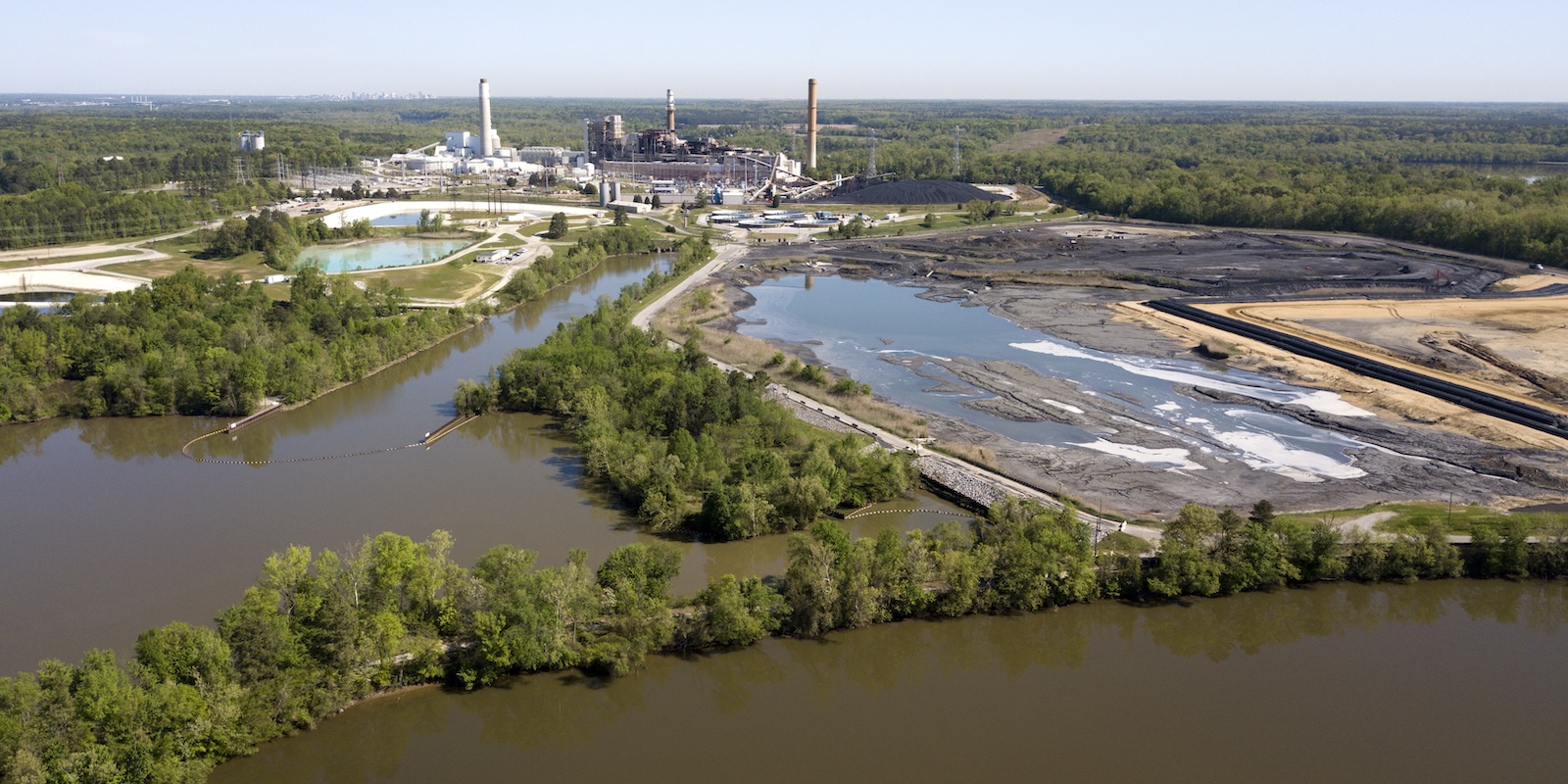
Large lagoons filled with coal ash sit on the banks of the Coosa, Chattahoochee, and Ocmulgee rivers in Georgia.
Most coal ash impoundments in the state are unlined, allowing heavy metals such as arsenic and mercury to leach into ground and nearby water bodies. The Obama administration passed rules in 2015 requiring utilities to clean up coal ash ponds and implement monitoring requirements.
Those rules transformed the EPA into the chief regulator overseeing coal ash sites while giving states the opportunity to assume the regulatory role if they met minimum federal requirements.
Georgia was among the first states to assume coal ash regulatory authority. The EPA approved Georgia’s authority to oversee coal ash management in 2019. In their first official act after approval, Georgia Environmental Protection Division regulators approved a permit to leave coal ash partly submerged in groundwater at one of Georgia Power’s plants.
The Georgia Environmental Protection Division has since approved another 20 permits for coal ash ponds at roughly a dozen coal plants across the state. Five states currently have approved coal ash programs: Georgia, Oklahoma, Texas, North Dakota, and Wyoming.
Oklahoma and Georgia were approved for coal ash programs during Trump’s first term, Texas received approval during the Biden administration, and North Dakota and Wyoming were approved for coal ash programs in the last year.
The Trump administration is in the process of approving Virginia for local coal ash permitting. According to the EPA, there are more than 670 coal ash ponds across the country. The ponds range in size from a few acres to a thousand or more acres.
A dike at a Tennessee Valley Authority coal ash pond failed in 2008, releasing more than a billion gallons of coal ash. The flood buried homes, and residents affected by the 2008 Tennessee coal ash spill are still reporting health issues. Similar coal ash spill incidents have occurred on the Dan River in North Carolina and in eastern Kentucky.
The 2015 rules required utilities to monitor groundwater near coal ash ponds for contamination, new coal ash ponds to be lined, and companies to close ponds where there was evidence of coal ash leaching into water. The 2015 coal ash rule did not cover lagoons that weren’t actively receiving new material and located at retired coal plants.
It also did not include dump sites where coal ash is collected before being moved into lagoons.
About six years ago, the Altamaha Riverkeeper tested groundwater near the coal-fired Plant Scherer in Monroe County, Georgia. Groundwater near Plant Scherer was found contaminated with compounds found in coal ash. Monroe County, Georgia, eventually ran water lines after notification of well water contamination.
Some low-income residents in Monroe County, Georgia, with median household income of $30,000 still rely on church waterfilling stations, Fletcher Sams, executive director of the Altamaha Riverkeeper, said. “This is an area where the median household income is $30,000.
” More than half of states have cut funding for environmental agencies in the last 15 years according to an analysis by the Environmental Integrity Project.
Mississippi’s environmental agency budget has dropped by more than 70 percent in the last 15 years. South Dakota’s environmental agency budget was slashed by 61 percent in the last 15 years. Texas, Georgia, and Wyoming have had environmental agency budget cuts of at least 20 percent over the last 15 years.
Georgia has reduced its environmental agency staffing by about 16 percent. In 2024, the EPA rejected Alabama’s application to manage its coal ash ponds because it did not meet standards set in federal law. " Grist reported that Nick Torrey, a senior attorney with the Southern Environmental Law Center, said state agencies with coal ash programs “have not been rigorous in enforcing standards” and that utilities are often the most powerful entities in the state.
Transparency
Reported by a single outlet. This score reflects source tier and factual specificity — corroboration is limited with one source.
Story details
Related Stories
nypost.comBundibugyo Ebola Strain Shows High Survival Rate in DRC; Suspected Cases Reported in Brazil and Italy
Four nurses and one laboratory worker have recovered from Ebola caused by the Bundibugyo strain in the Democratic Republic of Congo. Suspected cases linked to travel from affected countries are under investigation in Brazil and Italy.
New ScientistPhase 3 Trial Finds Daraxonrasib Extends Median Survival to 13 Months vs 7 Months for Chemotherapy in Second-Line Pancreatic Cancer
A 500-person study found the once-daily pill halted or reversed tumor progression in nearly one-third of patients versus 10 percent on chemotherapy. Median survival rose from less than seven months to roughly 13 months.
Wildfire Insured Losses Hit $54 Billion in 2025, Highest on Record
A new analysis published Sunday found that insured losses from wildfires worldwide hit at least $54 billion in 2025, the highest level on record. The Los Angeles fires and blazes in South Korea and Spain drove the total.