U.S.-Israeli Strikes on Iran Cut Global Oil Supply by 1 Billion Barrels
Three months after strikes began February 28, the conflict and near-closure of the Strait of Hormuz have removed roughly 1 billion barrels of crude and condensate from world markets. Inventories are declining and physical shortages have started to appear in Asia.
 reviewjournal.com
com. The conflict and near-closure of the Strait of Hormuz converted an earlier market surplus into the largest recorded oil and LNG supply disruption. Oil and gas prices have settled at higher levels and show sharp daily swings. Trade routes have changed, tanker rates have risen, and some vessels now operate without broadcasting their positions.
Actual shortages of crude and refined products have emerged in parts of Asia. Global crude and fuel stockpiles are falling quickly, reducing the cushion that previously limited price increases. OilPrice.com reported that the scale of lost supply already exceeds any previous recorded disruption in the oil and gas sectors.
Vessel movements through the Strait of Hormuz have declined. Some exporters have rerouted cargoes, lengthening voyages and raising freight costs for buyers in Asia and Europe. The combination of reduced volumes and altered logistics has made daily global oil flows harder to monitor, OilPrice.com stated.
Transparency
Reported by a single outlet. This score reflects source tier and factual specificity — corroboration is limited with one source.
Story details
Related Stories
 Japan Times
Israeli Forces Cross Litani River, Seize Beaufort Castle in Lebanon
Israeli troops crossed the Litani River and seized the historic Beaufort castle near Nabatieh on Sunday. The move marks Israel's broadest ground incursion into Lebanon in 25 years.
 rediff.com
Iran Demands Concrete Sanctions Relief Before Any Nuclear Deal With U.S.
Iran's parliament speaker stated that Tehran will not approve any agreement until it receives firm guarantees. The remarks come amid stalled talks and recent U.S. strikes on an Iranian port city.
 azernews.az
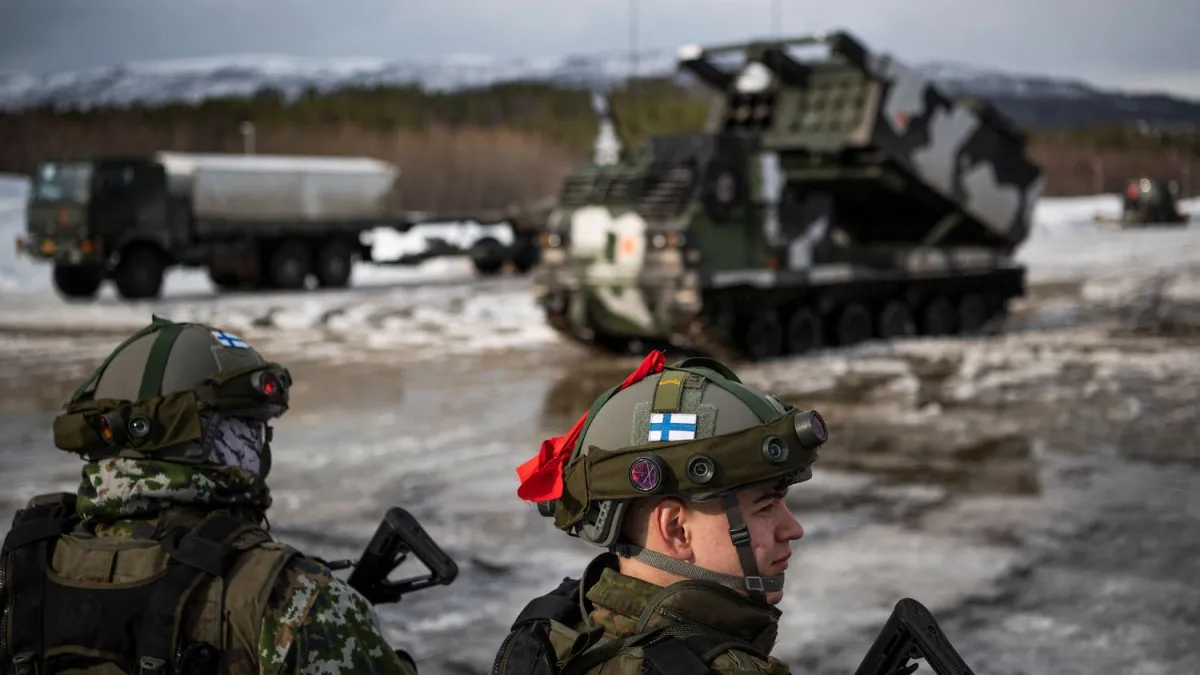
Germany Increases Defense Spending and Training After Russia Invades Ukraine
Germany has raised military recruitment and spending since Russia's 2022 invasion of Ukraine. The Bundeswehr reported a 23 percent rise in enlistments last year. The defense budget is projected to increase nearly 80 percent by 2029.