U.S. Gas Prices Rise to $4.46 per Gallon Amid Oil Futures Increase
The national average price of gas increased to $4.46 per gallon as oil futures rose following a decline. This follows a 49% rise since the Iran war began in late February. Analysts noted higher costs for consumers, with potential for further increases if disruptions continue.
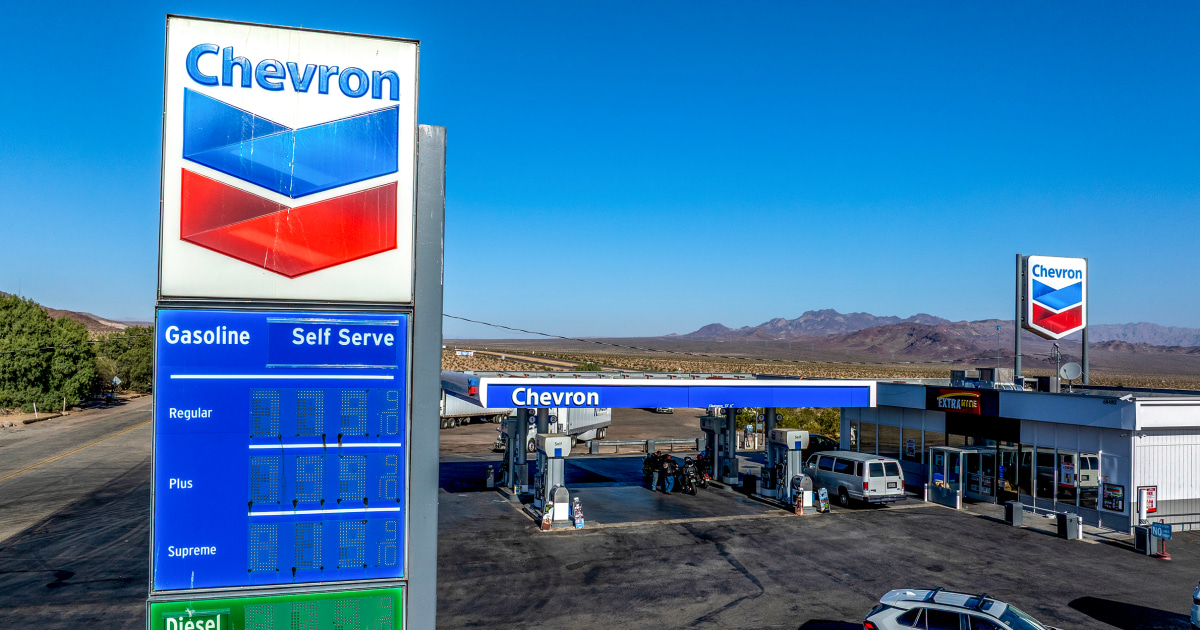
Wikideas1 / Wikimedia (CC0)The national average price of gas rose to $4.46 per gallon on Monday, according to NBC News, as oil futures increased after three days of declines. U.S. crude oil climbed over 4% to more than $105 per barrel in midday trading, while international Brent crude oil rose 5% to more than $114 per barrel.
Wholesale gas prices also jumped 4%. Since the Iran war started in late February, the national average price of unleaded gas has increased by 49%. The renewed rise in oil prices occurred despite an announcement of a plan called "Project Freedom," intended to guide commercial vessels through the Strait of Hormuz.
More than 20% of the world's oil supplies typically pass through the strait daily, but the war has stopped that traffic.
The announcement did not specify naval escorts, which shipping companies and insurers stated are necessary to resume transit through the waterway. As of Monday morning, the shipping industry had not received details or guidance on the plan, according to Jakob Larsen, chief safety and security officer with the Baltic and International Maritime Council (BIMCO), which represents more than 2,000 shipping companies.
Larsen told NBC News it was unclear whether the plan was for the long term or a limited operation to free trapped ships. He added that the overall security situation remained unchanged, and advised shipowners to continue thorough risk assessments. Global shipping company Hapag-Lloyd stated in an email to NBC News that its risk assessment of the strait was unchanged, and it remained closed for its vessels.
Questions also arose about a U.S. government program launched last month to help insurers cover ships near the strait. On Saturday, Berkshire Hathaway, a major insurer, reported it had not written any policies under the program due to ongoing dangers.
Ajit Jain, vice chairman of insurance operations at Berkshire Hathaway, said that for the company to issue such policies, the U.S. Navy would need to escort the ships, but no action had occurred yet.
As the war continues, U.S. consumers are spending about $1 billion more per day on higher fuel costs than before the war began, according to oil industry analyst Andy Lipow. Of that amount, $550 million stems from gas prices, with the rest from increases in jet fuel, diesel, and other energy products.
Jet fuel prices have risen about 65% since the war started, based on data from the Argus U.S. Jet Fuel Index. To address supply disruptions from the Middle East, strategic petroleum reserve releases and commercial inventories have been used, Lipow wrote in a note.
In the U.S., gasoline inventories are down 14% and diesel inventories down 17% since early February. Lipow noted that the oil market is responding to these changes, leading to higher prices, and warned that $4.50 per gallon gasoline is approaching, with $5.00 possible if the strait remains closed another month.
Prices have risen most in Ohio, Indiana, Illinois, and Michigan since the war began, per data compiled by NBC News. Georgia, Hawaii, Delaware, and Minnesota saw the smallest increases, though still over $1.10 per gallon. In California, prices averaged $6.11 per gallon on Monday, the highest in the nation, due to state taxes, fees, environmental requirements, special fuel needs, and isolated markets, according to the EIA.
Georgia had the lowest at $3.86 per gallon. Treasury Secretary Scott Bessent stated in a Fox News Channel interview on Monday that officials recognize the short-term price increase is affecting Americans, but expressed confidence that prices would decrease quickly afterward.
He added that corporate earnings and employment remain strong, and described the situation as a temporary aberration likely to end in weeks or a month.
Key Facts
Story Timeline
4 events- 2026-05-04
National average gas price rose to $4.46 per gallon as oil futures increased.
1 source@NBCNews - 2026-05-03
Announcement of Project Freedom plan to guide vessels through Strait of Hormuz.
1 source@NBCNews - 2026-05-02
Berkshire Hathaway reported no policies written under U.S. insurance program due to dangers.
1 source@NBCNews - Late February 2026
Iran war began, leading to 49% rise in U.S. gas prices.
1 source@NBCNews
Potential Impact
- 01
U.S. consumers may face gas prices reaching $5 per gallon if the Strait remains closed another month.
- 02
Shipping companies could continue avoiding the Strait, prolonging global oil supply disruptions.
- 03
Higher jet fuel and diesel prices may increase costs for airlines and transportation sectors.
- 04
Strategic reserve releases might deplete further, affecting long-term energy security.
Transparency Panel
Related Stories
EuronewsUS, Japan, and South Korea Stock Indices Reach Record Highs Despite Iran War Disruptions
Major stock indices in the United States, Japan and South Korea reached new all-time highs this week, even as the war in Iran disrupts global energy markets and shipping routes. Oil prices stand at a four-year high, with 10-12 million barrels a day disrupted in the Strait of Horm…
Sen. Tim Scott Urges Jerome Powell to Leave Fed as Chair Term Ends This Month
Sen. Tim Scott expressed hope that Federal Reserve Chair Jerome Powell will depart after his term ends in May, suggesting Powell might stay to challenge the incoming leadership. Powell plans to remain as a governor until 2028, citing concerns over threats to Fed independence. Sou…
UAE Leaves OPEC After 60 Years of Membership, Reducing Group to 11 Producers
The United Arab Emirates departed the Organization of the Petroleum Exporting Countries on Tuesday, reducing the group's membership to 11 nations. OPEC members now account for about 33% of global crude oil output. The exit occurs amid high oil prices and the ongoing closure of th…