Substrate
finance

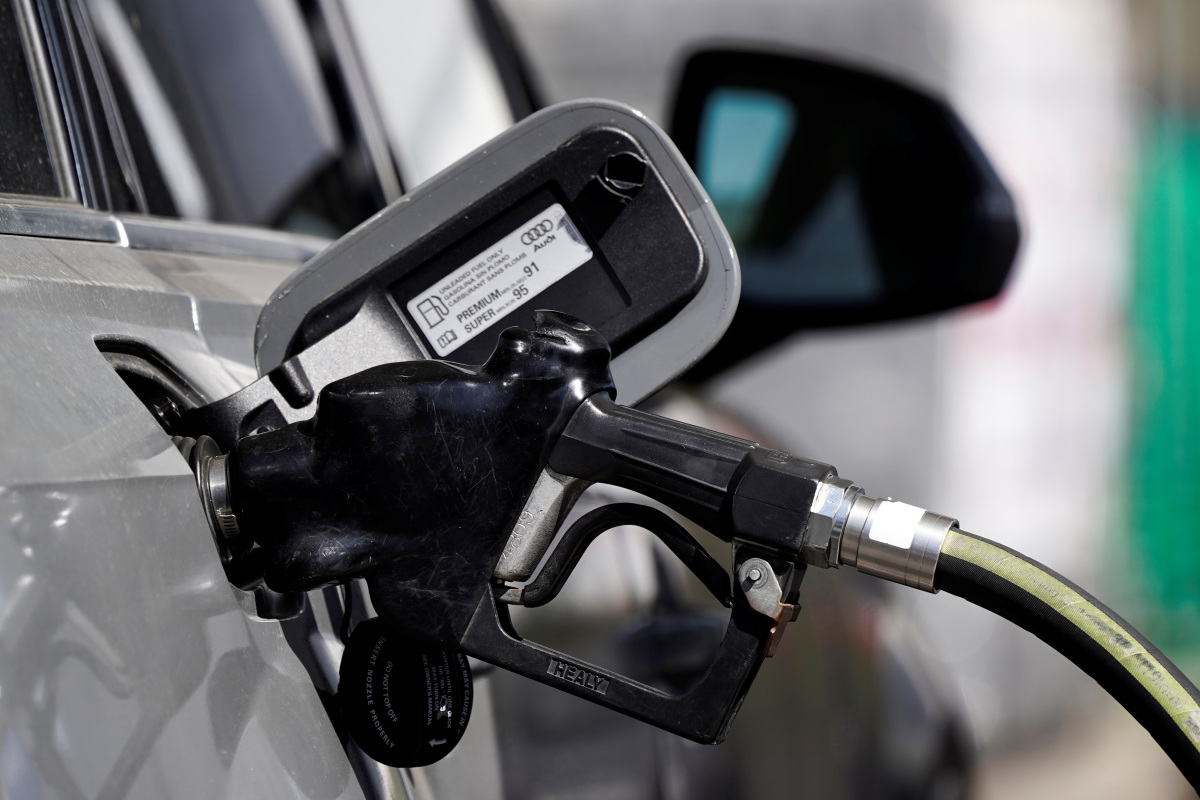
U.S. Gasoline Prices Hit $4.23 per Gallon Due to Middle East Supply Issues

The national average price for gasoline in the United States has reached $4.23 per gallon amid rising oil prices. These increases are linked to disruptions in Middle East oil supplies caused by ongoing conflict involving Iran. Higher fuel costs could influence transportation expenses and consumer spending.
The New York Times
1 source·Apr 29, 3:41 PM(6 days ago)·1m read
|
U.S. Gasoline Prices Hit $4.23 per Gallon Due to Middle East Supply Issuesibtimes.co.uk
Audio version
Tap play to generate a narrated version.
Developing·Limited corroboration so far. This page will refresh as more sources emerge.

The national average price of gasoline in the United States has risen. This development is attributed to increasing oil prices stemming from supply disruptions in the Middle East. The disruptions are connected to the ongoing war involving Iran, which has reduced oil exports from the region.

prices are influenced by global oil supply chains, and disruptions in key producing regions like the Middle East can lead to higher costs at the pump for U.S. consumers. The current situation stems from ongoing conflict impacts, which have reduced available oil exports from the area.

fuel prices may affect transportation costs and consumer spending in the United States. The effects are part of the broader consequences of the Middle East conflict on global energy markets.

Key Facts

$4.23 per gallon
national average U.S. gasoline price
Middle East disruptions
linked to Iran war reducing oil exports
Rising oil prices
driving higher gasoline costs
Global supply chains
influenced by regional conflicts

Story Timeline

2 events
  1. Recent

    U.S. national average gasoline price reached $4.23 per gallon due to rising oil prices.

    1 sourceThe New York Times
  2. Ongoing

    Disruptions in Middle East oil supplies continued due to the war involving Iran.

    1 sourceThe New York Times

Potential Impact

  1. 01

    Transportation costs in the U.S. could increase due to higher gasoline prices.

  2. 02

    Consumer spending in the U.S. may decrease as fuel expenses rise.

  3. 03

    Energy markets could see sustained volatility from Middle East supply issues.

Transparency Panel

Sources cross-referenced1
Framing risk0/100 (low)
Confidence score55%
Synthesized bySubstrate AI
Word count133 words
PublishedApr 29, 2026, 3:41 PM
Bias signals removed1 across 1 outlet
Signal Breakdown
Speculative 1

Related Stories

US, Japan, and South Korea Stock Indices Reach Record Highs Despite Iran War DisruptionsEuronews
finance2 hrs agoDeveloping

US, Japan, and South Korea Stock Indices Reach Record Highs Despite Iran War Disruptions

Major stock indices in the United States, Japan and South Korea reached new all-time highs this week, even as the war in Iran disrupts global energy markets and shipping routes. Oil prices stand at a four-year high, with 10-12 million barrels a day disrupted in the Strait of Horm…

Euronews
Semafor
2 sources
Sen. Tim Scott Urges Jerome Powell to Leave Fed as Chair Term Ends This MonthBrokenSphere / Wikimedia (CC BY-SA 4.0)
finance2 hrs ago

Sen. Tim Scott Urges Jerome Powell to Leave Fed as Chair Term Ends This Month

Sen. Tim Scott expressed hope that Federal Reserve Chair Jerome Powell will depart after his term ends in May, suggesting Powell might stay to challenge the incoming leadership. Powell plans to remain as a governor until 2028, citing concerns over threats to Fed independence. Sou…

New York Post
RealClearPolitics
Atlantic Council
3 sources
finance40 min ago

UAE Leaves OPEC After 60 Years of Membership, Reducing Group to 11 Producers

The United Arab Emirates departed the Organization of the Petroleum Exporting Countries on Tuesday, reducing the group's membership to 11 nations. OPEC members now account for about 33% of global crude oil output. The exit occurs amid high oil prices and the ongoing closure of th…

BBC News
The Guardian
OilPrice.com
3 sources