Substrate
politics

U.S. Increases Surveillance Flights Near Cuba

The United States has conducted at least 26 surveillance flights within 80 miles of Cuba from February to May 12, 2026, according to a USA TODAY analysis of public flight data. The flights, many coming within 40 miles of Havana and Santiago de Cuba, show different patterns from the same period in 2025. Multiple types of aircraft and drones were used for intelligence gathering missions.

Usa Today
1 source·May 15, 10:59 PM(13 days ago)·2m read
|
U.S. Increases Surveillance Flights Near Cubadailyalert.org
Audio version
Tap play to generate a narrated version.
Developing·Limited corroboration so far. This page will refresh as more sources emerge.

The United States has increased its military and intelligence surveillance flights near Cuba. U.S. air and naval forces conducted at least 26 flights within 80 miles of the island nation from Feb. 4 to May 12, according to a USA TODAY analysis of Flightradar24 data.

Most of the flights came within 40 miles of Cuban shores with paths consistent with surveillance missions. The activity has been concentrated near Havana, the capital, and Santiago de Cuba, the country's second-largest city.

Flight paths tracked by Flightradar24 show a different pattern in 2026 compared with the same period in 2025. This year's flights encircle the country and include loitering patterns, while last year's appeared to simply pass by, Ian Petchenik of Flightradar24 told USA TODAY.

The surveillance flights are also higher profile because they have been trackable by public sites. They have operated closer to Cuba, at distances that allow for certain types of intelligence gathering, especially electronic signals. A variety of aircraft and drones have been used during the same time period.

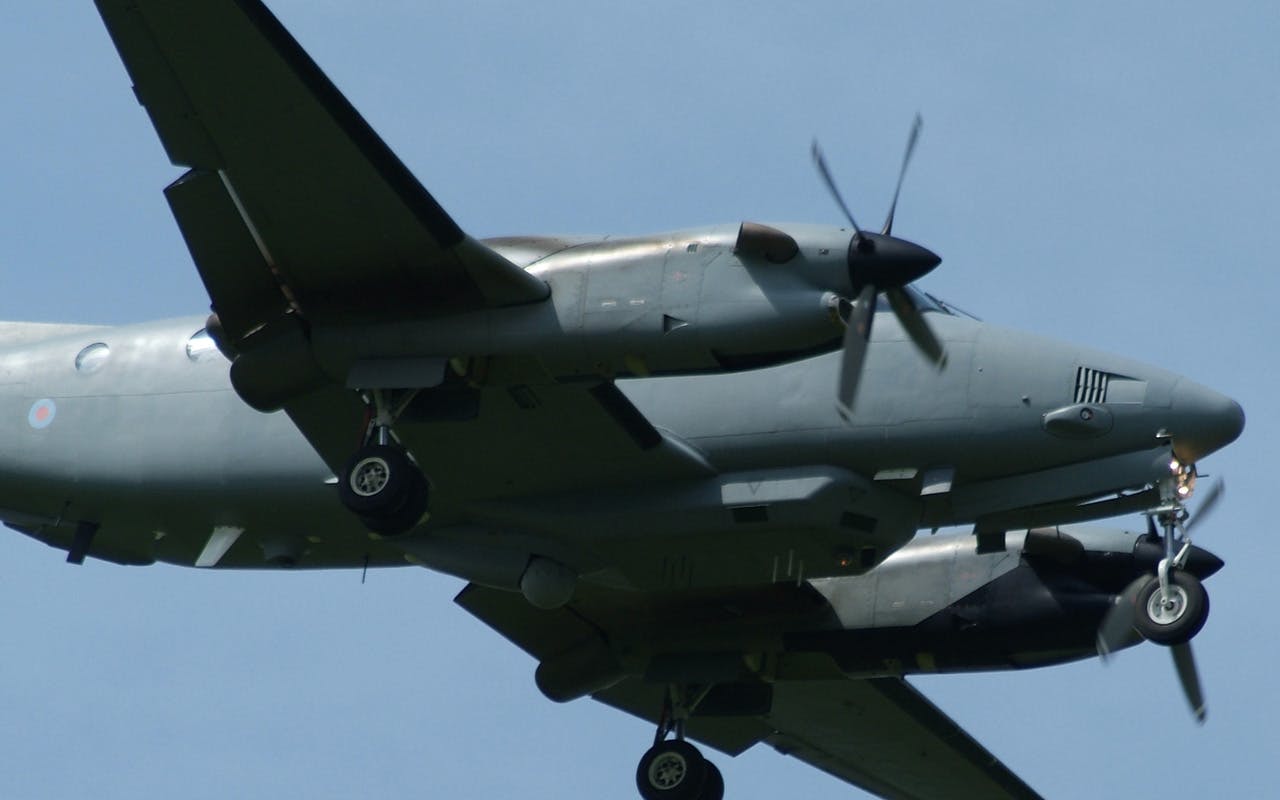
Most of the flights were conducted by the P-8A Poseidon, a multi-mission maritime patrol aircraft used by the U.S. Navy for long-range anti-submarine and anti-surface warfare and intelligence gathering. The RC-135V Rivet Joint, a U.S. Air Force reconnaissance aircraft used for analyzing electromagnetic signals, has also been deployed.

The MQ-4C Triton, a high-altitude uncrewed U.S. Navy reconnaissance drone capable of operating above 50,000 feet for 24 hours, participated in the missions. The E-3 Sentry, a modified Boeing 707/320 aircraft with a rotating radar dome used by the Air Force as an airborne warning and control system, was part of the operations.

Some military or law-enforcement flights can legally disable their ADS-B Out transponders, which prevents them from appearing on civilian flight-tracking sites. The exact total number of flights is therefore not known, though they may still be detected by other devices including Mode S, MLAT or radar.

The surveillance activity follows news that the United States is moving to indict former Cuban president Raúl Castro over an incident in which two planes on humanitarian flights were shot down by the Cuban government in 1996. Some U.S. officials continue to press for criminal accountability three decades later.

Key Facts

26 flights
within 80 miles of Cuba from Feb to May 2026
40 miles
most flights approached within this distance of shore
P-8A Poseidon
primary aircraft used for maritime surveillance
Flight patterns
2026 flights encircle Cuba unlike 2025 transits
Raúl Castro
U.S. moving to indict over 1996 plane shoot-downs

Story Timeline

4 events
  1. Feb. 4 to May 12, 2026

    U.S. conducted at least 26 surveillance flights within 80 miles of Cuba.

    1 sourceUsa Today
  2. 2026

    Flights showed encircling and loitering patterns near Havana and Santiago de Cuba.

    1 sourceUsa Today
  3. 2025

    Flights during same period followed different paths that appeared to simply pass by.

    1 sourceUsa Today
  4. 2026

    U.S. moving to indict former Cuban president Raúl Castro over 1996 shoot-down incident.

    1 sourceUsa Today

Potential Impact

  1. 01

    The increased flights may improve U.S. intelligence on Cuban air defenses and electronic signals.

  2. 02

    Public tracking of the flights signals U.S. surveillance activity to Cuban authorities.

  3. 03

    The indictment effort against Raúl Castro could affect long-term U.S.-Cuba diplomatic relations.

  4. 04

    Use of multiple aircraft types demonstrates expanded surveillance capabilities near Cuba.

Transparency Panel

Sources cross-referenced1
Confidence score75%
Synthesized bySubstrate AI
Word count374 words
PublishedMay 15, 2026, 10:59 PM
Bias signals removed4 across 2 outlets
Signal Breakdown
Framing 2Speculative 1Loaded 1

Related Stories

Trump Meets Advisers to Decide on Iran Ceasefire ExtensionBBC News
politics1 hr ago

Trump Meets Advisers to Decide on Iran Ceasefire Extension

President Trump said he is holding a Situation Room meeting to make a final decision on a possible deal with Iran. The proposed agreement would extend the ceasefire by 60 days and reopen the Strait of Hormuz.

Al Jazeera
JA
MA
AF
AJ
+6
11 sources
Trump to Decide on Iran Deal in Situation Room Meetingmiddleeasteye.net
politics1 hr ago

Trump to Decide on Iran Deal in Situation Room Meeting

President Trump said Friday he is heading into the Situation Room to make a final determination on a potential agreement with Iran. The proposed deal would reopen the Strait of Hormuz without tolls and require destruction of Iran's highly-enriched uranium.

LI
Just the News
CBS News
3 sources
Vietnam Clears Graves for Trump Organization Project in Hung Yen Provincebenzinga.com
politics1 hr ago

Vietnam Clears Graves for Trump Organization Project in Hung Yen Province

Farmers in Hung Yen province are exhuming family graves to make way for a $1.5 billion Trump Organization development that includes hotels, villas and a golf course. The project, approved last year, has drawn local resistance over compensation levels and relocation of remains.

The Independent
1 source