U.S. and Iran Agree to Ceasefire and 60-Day Nuclear Talks, With Asset Releases and Hormuz Reopening
The preliminary accord ends fighting that began February 28 and sets a 60-day period for further talks on Iran's nuclear programme.
 Al Jazeera
U.S. and Israeli strikes on Tehran on February 28. The draft agreement schedules a formal signing ceremony in Geneva on Friday, 19 June 2026, and gives the parties 60 days to reach a final settlement on Iran's nuclear programme and its 440 kg stockpile of highly enriched uranium.
During that period, $24 billion in frozen Iranian assets are set to be released, according to Mehr News Agency. Half of the $24 billion is to be paid before talks begin, the Islamic Revolutionary Guard Corps stated. Discussions concerning Iran's missile programme and its support for proxy armed groups have been removed from the negotiating agenda, Mehr News Agency reported.
US Vice President JD Vance stated that nuclear inspectors will be allowed back into Iran to help destroy the highly enriched uranium stockpile. Iranian officials state that negotiations about Iran's nuclear programme will only begin after the initial agreement is signed on Friday.
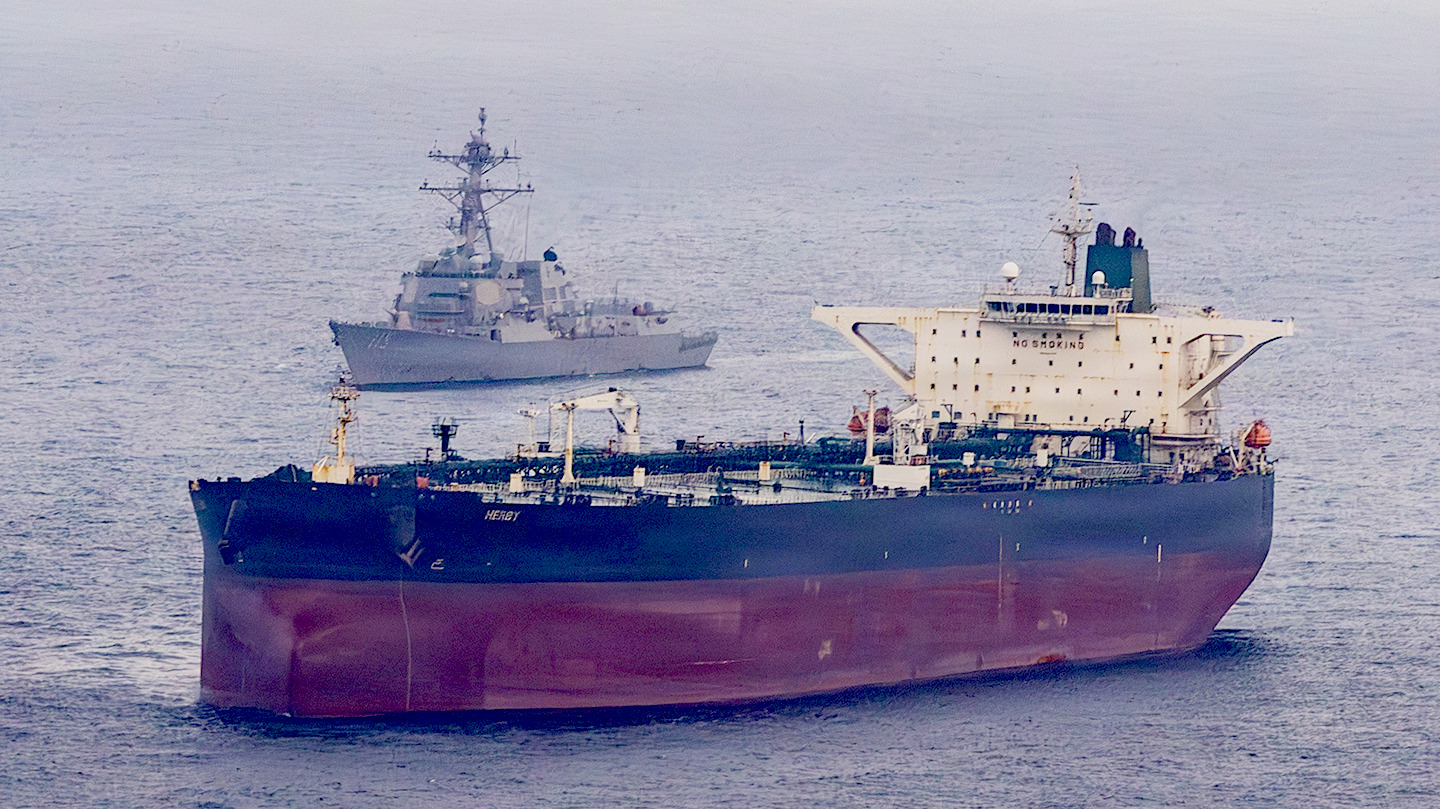
The Strait of Hormuz, closed to shipping traffic after the end of February 2026, is now being reopened under the agreement.
Israeli forces have occupied nearly one-fifth of Lebanese territory. Iran is believed to be harbouring about 440 kg of uranium enriched to 60 percent. "When people say that billions of dollars of assets will be released, that's not true," JD Vance told CBS.
U.S. withdrawal from the 2015 JCPOA. "Nothing substantive has been negotiated yet on the nuclear programme," Maneli Mirkhan, a strategic adviser on Iran and global affairs, told Al Jazeera.
" "Over the past two decades, Tehran has become highly skilled at securing economic relief early in a negotiation while delaying or limiting the concessions expected in return," Mirkhan said. Mousavian countered that the phased release of frozen assets serves as a confidence-building measure rather than leverage.
"Ironically, while the recent war has increased mistrust and political opposition on both sides, it may also have clarified the costs of conflict," Mousavian said.