U.S. Officials Describe Ukraine Military Capabilities as Strongest in Europe
Senior U.S. officials stated last week that Ukraine's armed forces rank ahead of other European militaries and in some respects ahead of U.S. systems. The comments contrast with earlier statements from President Trump downplaying Ukrainian capabilities.
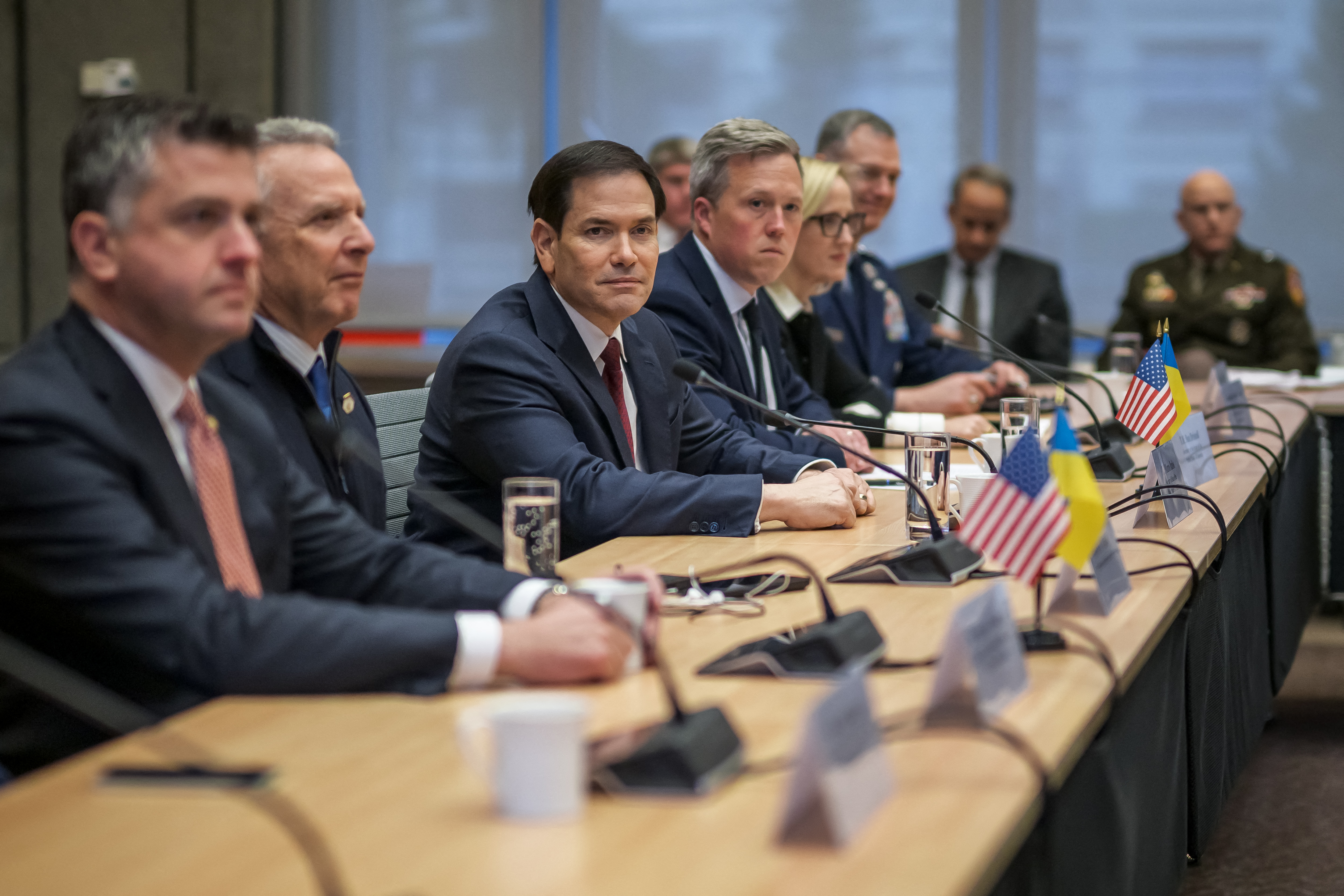
Defense NewsThe Ukrainian armed forces are the strongest, most powerful armed forces in all of Europe, Secretary of State Marco Rubio said last week, citing a five-to-one Russian-to-Ukrainian casualty rate and four years of battlefield adaptation. The necessity of fighting the war, Rubio said, has pushed Ukrainians to develop new tactics, new techniques, new equipment, new technology that is creating a sort of hybrid asymmetrical warfare.
U.S. Army Secretary Dan Driscoll told the Senate Armed Services Committee the same week that Ukraine has fused drones, sensors and weapons into a single command network running across the front, while U.S. Army systems remain compartmentalized, isolated and ineffective against modern threats.
Ukraine's Delta common operating system, their modular open system architecture command and control system, is absolutely incredible, Driscoll testified. It fully integrates every single drone, every sensor and every shooting platform into just one single network.
Ours does not.
Background on U.S.
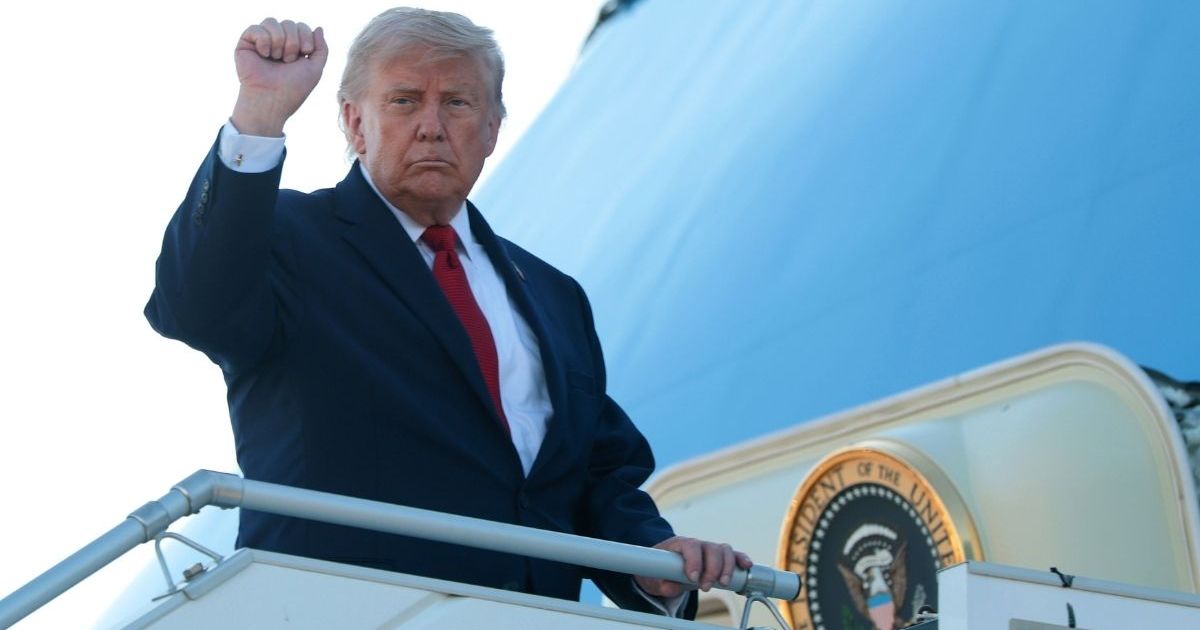
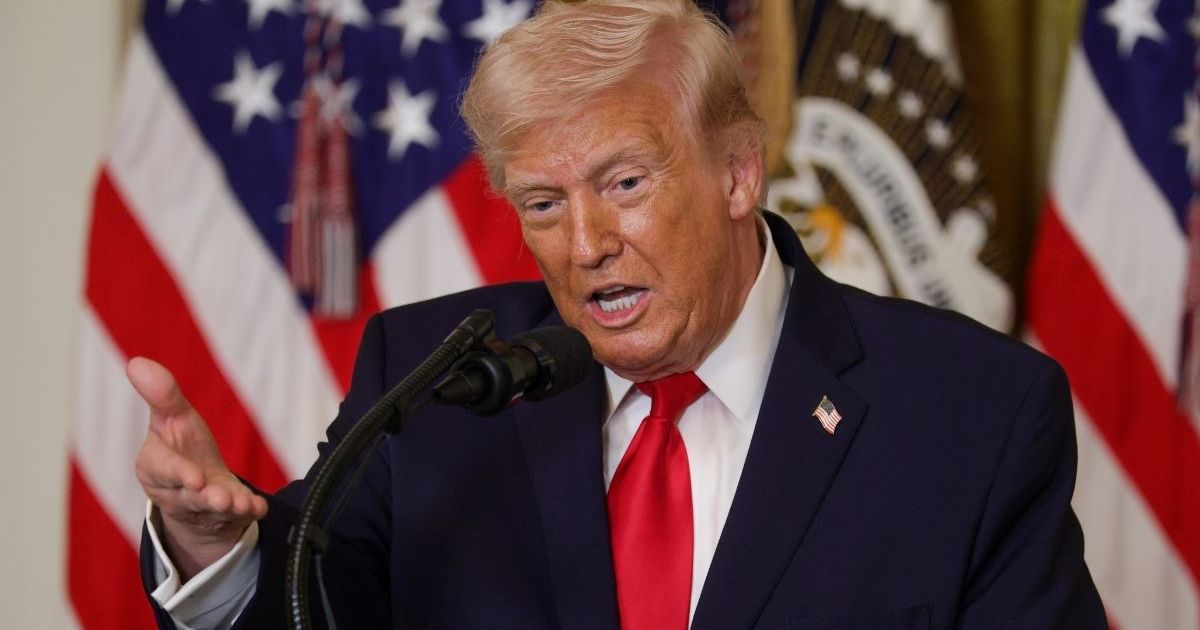
We don't need their help in drone defense, he told Fox News at the time. We know more about drones than anybody. We have the best drones in the world, actually. The remark came as the Pentagon was quietly moving in the opposite direction: U.S. forces deployed a Ukrainian counter-drone system to intercept Iranian Shahed attacks over an American installation in Saudi Arabia weeks later, and Ukrainian military officials flew in to train American warfighters on the tech.
Ukraine's offensive operations exceed Russia's for the first time, a commander-in-chief said last week, with Russian casualties running 3.5 times higher than Ukrainian losses along the line. Much of Ukraine's recent operational edge runs through a single piece of software: the Defense Ministry's Delta system, the platform Driscoll told senators the U.S. Army cannot match.
Delta is the backbone of Ukraine's digital kill chain. Developed by the Ministry of Defense, it fuses drone, sensor, radar and communications feeds onto a single digital map shared by verified frontline users. In 2024, it became the first Ukrainian combat system to pass an information-security audit to NATO standards.
Kyiv has since folded a Mission Control module into the ecosystem that logs every drone sortie and pushes commander dashboards from battalion to leadership in minutes. Yurii Myronenko, the Defense Ministry's inspector general and the official who oversaw Delta's expansion before moving into the audit role in March, said the system was built for the war it is now fighting.
Delta is one of the best systems because, from the beginning, it was made for this drone war integrated with EW systems, detectors, artillery, everything, Myronenko told Military Times. And then we have all the data that we are learning from. It's become a data war.
The platform now has 270,000 registered users, he said, up from a reported 200,000 in December, and is being refined for ease of use and tighter integration with frontline tools every day. Pressed on why the Army is only embracing Ukrainian-style integration in the fifth year of the war, Driscoll told the committee the delay is on him.
Chairman, I would look at myself and only myself that we haven't moved faster on it, he said. Driscoll pointed to a six-week sprint underway at Fort Carson, called Operation Jailbreak, as the answer: rewiring legacy systems to share data, then layering in generative AI for decision-making, something Driscoll said the Ukrainians have been doing for the entire war.
Earlier this month, the Army and a coalition of American defense companies, including Anduril, Boeing, Lockheed Martin, Perennial Autonomy and RTX, announced a hackathon sprint called Right to Integrate, built around the same modular open-systems architecture that lets Delta absorb new tools as Ukrainian engineers build them.
The war in Ukraine showed the world that speed matters and an open architecture construct is highly effective in high-intensity warfare, Driscoll said in the Army release. Rewriting the Army's command-and-control architecture while the U.S. fights through limited weapons supplies and competing wars is no simple feat.
But the alternative, Driscoll said, is worse. The biggest risk is not going fast enough, he told the committee.
Key Facts
Story Timeline
4 events- Last week
Secretary of State Marco Rubio stated Ukraine has the strongest armed forces in Europe.
1 sourceDefense News - Last week
U.S. Army Secretary Dan Driscoll testified on Ukraine's Delta command system before the Senate Armed Services Committee.
1 sourceDefense News - March
President Trump stated the U.S. does not need Ukrainian help in drone defense.
1 sourceDefense News - Earlier this month
The Army announced a hackathon sprint with defense companies to integrate systems.
1 sourceDefense News
Potential Impact
- 01
Allied countries may seek additional joint ventures involving Ukrainian drone technology.
- 02
U.S. Army may accelerate efforts to integrate legacy systems with new data-sharing platforms.
- 03
Defense contractors could expand testing of systems on the Ukrainian front.
Transparency Panel
Related Stories
BBC NewsTrump Meets Advisers to Decide on Iran Ceasefire Extension
President Trump said he is holding a Situation Room meeting to make a final decision on a possible deal with Iran. The proposed agreement would extend the ceasefire by 60 days and reopen the Strait of Hormuz.
Trump to Decide on Iran Deal in Situation Room Meeting
President Trump said Friday he is heading into the Situation Room to make a final determination on a potential agreement with Iran. The proposed deal would reopen the Strait of Hormuz without tolls and require destruction of Iran's highly-enriched uranium.
realitytea.comTrump Says U.S. Will Lift Iran Naval Blockade After Nuclear and Hormuz Pledges
President Trump stated the U.S. will end its naval blockade of Iran once Tehran commits to forgoing nuclear weapons and opens the Strait of Hormuz to unrestricted shipping. The announcement came via Truth Social and a live statement.