U.S. Proposes Targeted Tariffs on 60 Trading Partners for Failing to Block Forced-Labor Imports
The Trump administration proposed new tariffs of 10% or 12.5% on dozens of trading partners accused of failing to block imports made with forced labor. The move uses Section 301 authority after earlier tariff systems were struck down by courts.
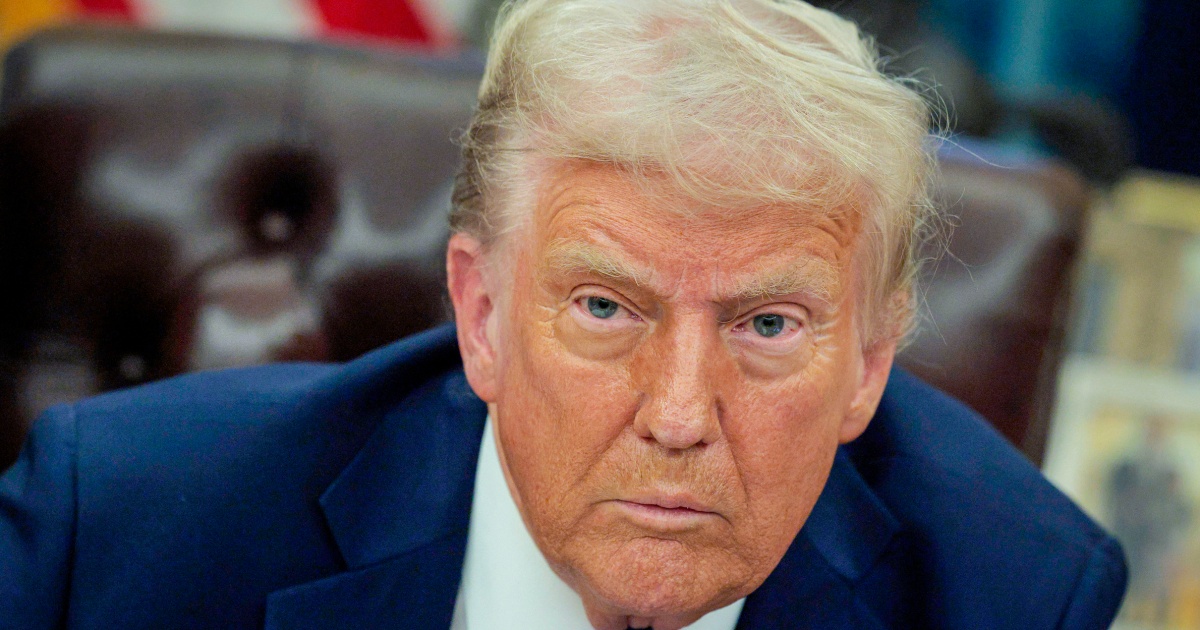 nbcnews.com
The Trump administration proposed tariffs of 10% or more on 60 trading partners accused of failing to block imports made with forced labor. S. Trade Representative Jamieson Greer's office announced the planned tariffs late Tuesday.
U.S. imports. China, Japan, South Korea and Brazil are among those facing the higher rate. Sixteen partners face a lower 10% rate. The United Kingdom, Canada, Mexico, the European Union, Taiwan and Argentina are among those listed at 10%.
Greer's office said these partners are taking steps or have made commitments to block forced labor. Beef, tomatoes and coffee are exempt from the proposed tariffs. The office is also considering a rule that would allow some textiles to enter at a reduced rate if the exporting country imports an equal quantity of American textiles.
"The failure of our most important trading partners to address the importation of goods made with forced labor is unacceptable," Greer said in a statement issued late Tuesday. "This creates a dynamic where American workers are forced to compete globally on an unlevel playing field. " The tariffs must go through a comment process before taking effect.
The announcement lists the 60 partners that have allegedly failed to impose and effectively enforce rules prohibiting imports of goods made with forced labor. The tariffs rest on Section 301 of the Trade Act of 1974. That law gives the government authority to investigate unfair trade practices and impose tariffs or other restrictions.
The Supreme Court struck down the administration's earlier country-by-country tariff system in February. The court ruled that an emergency powers law invoked by the government did not authorize tariffs.
Section 122 allows tariffs for up to 150 days in response to large balance-of-payments deficits. Greer's office launched separate Section 301 investigations in March into 16 countries for structural excess capacity.
Treasury Secretary Scott Bessent told CNBC in early March that he believed tariff rates would return to prior levels within five months and described Section 301 measures as slower but legally more robust. Tariffs have been a core part of President Trump's economic agenda. His administration argues that duties on imports can reduce trade deficits and address what it views as unfair practices.
Transparency
Reported by a single outlet. This score reflects source tier and factual specificity — corroboration is limited with one source.
Story details
Related Stories
 Substrate placeholder — needs review
House Passes Resolution to End U.S. Hostilities With Iran
The House voted 215-208 to approve a concurrent resolution directing the withdrawal of U.S. forces from Iran after the 60-day war-powers deadline expired in early May. Four Republicans joined all Democrats present in support.
 realitytea.com
Trump Orders Federal Agencies to Strengthen Customs Enforcement
President Trump signed an executive order directing the Department of Homeland Security, Department of the Treasury, and Department of Justice to improve detection and interdiction of unlawful and dangerous imports. The directive requires new operational plans within 60 days and…
 realitytea.com
Trump Signs Executive Order Directing Comprehensive Customs Reform
President Donald J. Trump signed an executive order on June 3, 2026 that mandates reforms to strengthen enforcement of U.S. customs laws. The order targets customs fraud that undermines economic strength and national security, triggering new compliance requirements across importe…