U.S. Secretary of State Says No Country Should Accept Iranian Tolls in Strait of Hormuz
U.S. Secretary of State Marco Rubio stated at a NATO meeting that countries should not accept Iranian tolls in the Strait of Hormuz. Rubio spoke during a foreign ministers summit in Sweden on May 22, 2026.
 tass.com
U.S. Secretary of State Marco Rubio said at a NATO press conference in Sweden that no country should accept Iranian tolls in the Strait of Hormuz. Rubio identified Iran’s position on the strait as a major issue requiring attention.
The United Kingdom Maritime Trade Operations agency reported that a vessel was approached by a small craft carrying five people 98 nautical miles north of Yemen’s Socotra island. The vessel’s armed security team fired warning shots, causing the small craft to change course. UKMTO said authorities are investigating the incident.
Mark Rutte told reporters that the alliance is reducing reliance on a single ally. Rutte said European allies are increasing defense spending to meet shared requirements and to give the United States greater flexibility on other priorities. Rutte noted that European allies have provided access to military bases under bilateral commitments and are assisting in the Strait of Hormuz.
He said the measures are needed to defend against adversaries.
Iranian media reported that the United States and Iran are exchanging messages and draft proposals through mediation. Pakistani officials are engaged in mediation activity between the two countries, according to Al Jazeera’s correspondent in Tehran.
U.S. Secretary of State Marco Rubio said there were some good signs for a possible breakthrough. U.S. President Donald Trump warned that Washington could take very drastic action if Iran refuses to give up its uranium stockpiles. Mohamad Elmasry of the Doha Institute for Graduate Studies said the United States and Israel remain divided over resuming military action against Iran.
Elmasry said both Washington and Tehran have indicated some positive momentum in talks. Elmasry said Iran has established a measure of control over the Strait of Hormuz and is discussing a formal mechanism with Oman. He added that China has signaled willingness to pay an administrative fee and that other countries may follow.
Key Facts
Potential Impact
- 01
Countries may face decisions on whether to pay or avoid Iranian administrative fees in the Strait of Hormuz.
- 02
European NATO members may increase defense spending and base access commitments.
- 03
Continued mediation could produce a formal framework agreement between the U.S. and Iran.
Transparency Panel
Related Stories
 France 24
Russian Drone Strikes Romanian Apartment Building, Injuring Two
A Russian drone crashed into a residential building in eastern Romania during an overnight attack on Ukraine. Two people were injured and Romania requested faster NATO anti-drone support.
 realitytea.com
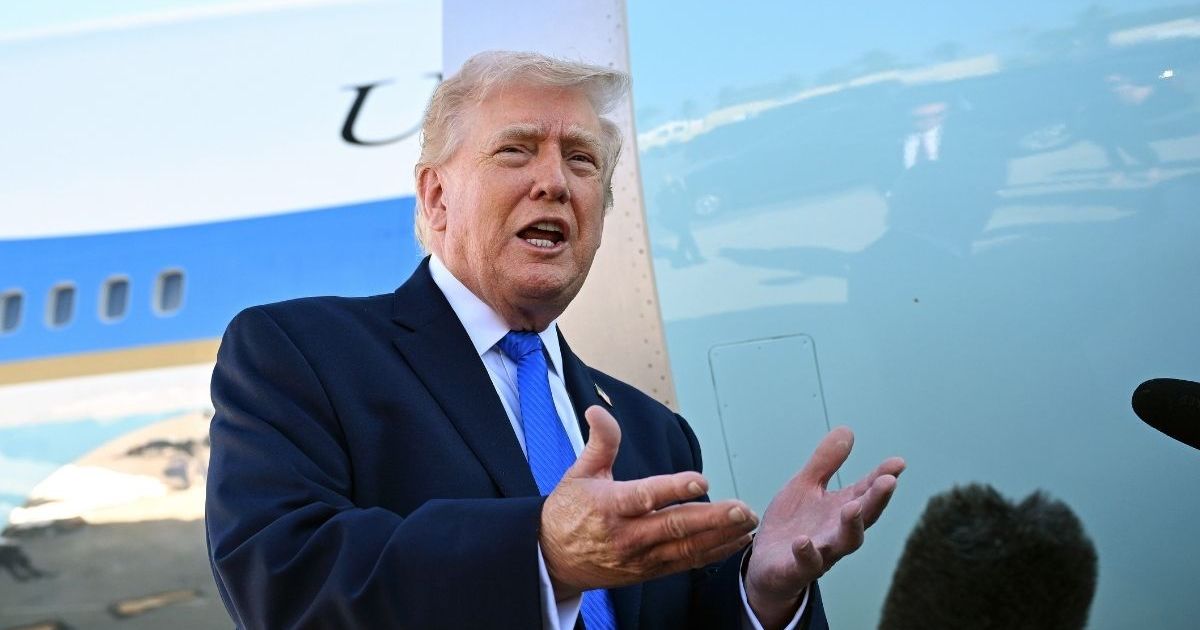
Trump Says U.S. Will Lift Iran Naval Blockade After Nuclear and Hormuz Pledges
President Trump stated the U.S. will end its naval blockade of Iran once Tehran commits to forgoing nuclear weapons and opens the Strait of Hormuz to unrestricted shipping. The announcement came via Truth Social and a live statement.
 dnaindia.com
Lebanese President Urges Ceasefire in Call With U.S. Secretary of State
Lebanese President Joseph Aoun spoke with U.S. Secretary of State Marco Rubio about the need for a ceasefire with Israel. Israeli and Lebanese military delegations met at the Pentagon on the same day.