U.S. Seizes Iran-Bound Ship With Suspected Dual-Use Cargo as China-Iran Rail Traffic Rises
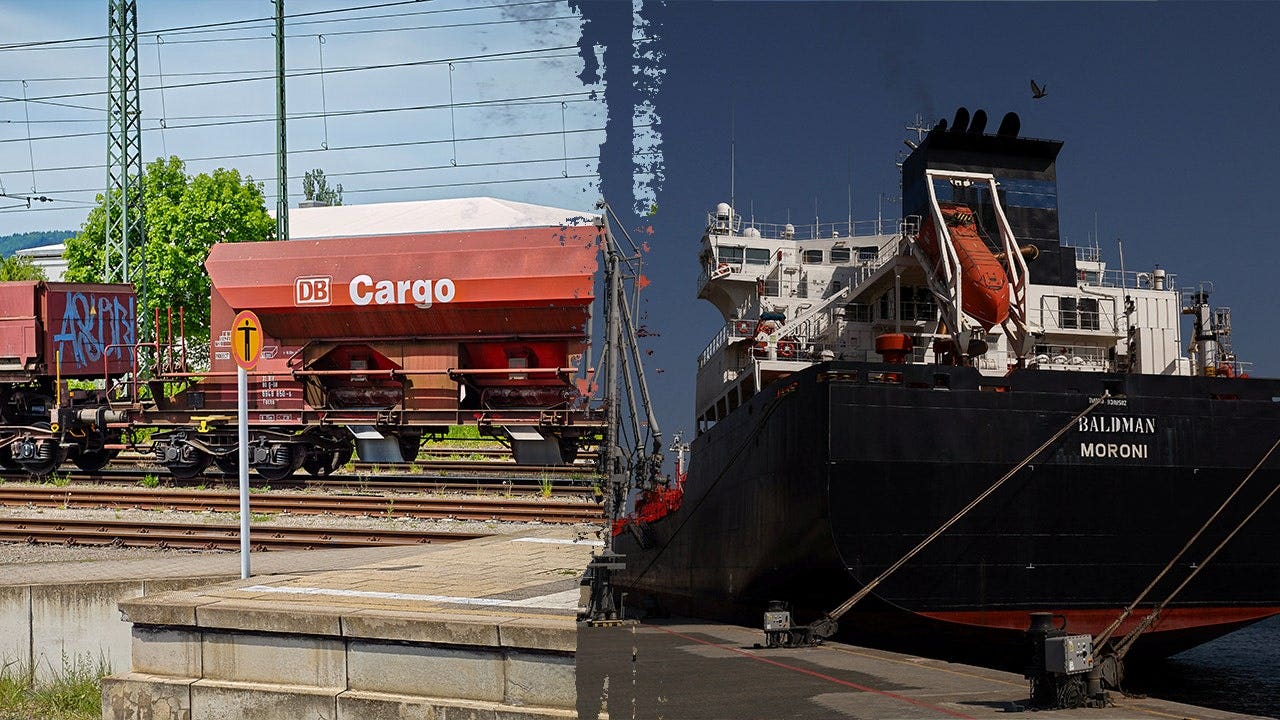
Freight traffic between China and Iran along an overland rail corridor running through Kazakhstan and Turkmenistan has risen sharply even as the U.S. military enforces a naval blockade in the Strait of Hormuz. Cargo trains from central China to Iran jumped from roughly one per week before the blockade to one every three or four days.
 Fox News
U.S. seized an Iran-bound ship with suspected dual-use cargo even as freight traffic between China and Iran along an overland rail corridor has increased. U.S. military has been enforcing a naval blockade in the Strait of Hormuz even during the ceasefire.
Fox News reported that the growing China-linked rail traffic is giving Tehran a workaround that Washington cannot easily shut down without risking a wider conflict. Cargo trains running from central China to Iran jumped from roughly one per week before the blockade to one every three or four days, according to Bloomberg. The overland rail corridor runs through Kazakhstan and Turkmenistan.
U.S. Navy. Isaac Kardon, a senior fellow focused on Chinese strategy and maritime security, told Fox News Digital there is no substitute for a very large crude carrier.
Kardon estimated that maybe like 1% of the exports that Iran would typically be pushing out through Hormuz could go over land. Max Meizlish, a former Treasury official focused on sanctions policy, similarly described the rail corridor as a drop in the bucket compared to Iran’s traditional oil exports over maritime transit routes. U.S.
Naval enforcement, Meizlish said. Isaac Kardon pointed to potential movement of parts for drones and missile precursor chemicals along the rail corridor. Even so, Kardon emphasized the corridor cannot sustain large-scale economic or military flows.
“It’s a flow question,” Kardon said. “Can you sustain the Iranian war-fighting effort solely with cargoes from China or from its other Eurasian neighbors? ” Experts say the rail corridor remains limited in its ability to offset Iran’s main oil exports.
The combination of geography, diplomacy and escalation risk helps explain why Washington has focused overwhelmingly on maritime interdiction rather than attempting to shut down overland trade routes. The White House and the Pentagon did not respond to requests for comment. U.S.
Pressure at sea.
Key Facts
Story Timeline
4 events- 2026-05-16
Fox News publishes report on increased China-Iran rail traffic and U.S. ship seizure
1 sourceFox News - Recent weeks
Cargo trains from central China to Iran increase to one every three or four days
1 sourceBloomberg via Fox News - Ongoing
U.S. military enforces naval blockade in Strait of Hormuz even during ceasefire
1 sourceFox News - Prior to blockade
Cargo trains from central China to Iran ran roughly one per week
1 sourceBloomberg via Fox News
Potential Impact
- 01
Cannot replace Iran’s traditional maritime oil exports
- 02
Exposes limitations in U.S. maritime-focused strategy against Iran
- 03
Risk of escalation if overland route is directly targeted
Transparency Panel
Related Stories
 BBC News
Trump Meets Advisers to Decide on Iran Ceasefire Extension
President Trump said he is holding a Situation Room meeting to make a final decision on a possible deal with Iran. The proposed agreement would extend the ceasefire by 60 days and reopen the Strait of Hormuz.
 Variety
Federal Judge Orders Trump Name Removed From Kennedy Center
A federal judge ruled Friday that the Kennedy Center board violated the law by adding President Donald Trump's name to the venue and ordered the name removed within two weeks. The same ruling blocked a planned two-year closure for renovations.
 Le Monde
Brazil's Lula Criticizes U.S. Terror Designation of Crime Groups
Brazilian President Luiz Inacio Lula da Silva rejected the U.S. decision to label two major crime organizations as terrorist groups. He called the move a potential setback in fighting crime and warned against interference in Brazilian sovereignty.