U.S. signals no Iran deal without new Abraham Accords signatories
The United States has indicated that any agreement with Iran will require additional moderate Sunni governments to join the Abraham Accords. The reported approach links diplomatic progress on Iran to regional normalization steps.
 Washington Examiner
The United States has linked progress on any Iran agreement to the requirement that remaining moderate Sunni governments join the Abraham Accords, according to Washington Examiner reporting. The reported linkage differs from prior U.S. diplomacy that did not condition talks on such normalization steps.
Governments in the region have sought U.S. protection while declining to establish formal ties with Israel.
Regional capabilities cited Iran maintains more than 3,000 ballistic missiles and an enriched uranium stockpile that includes hundreds of kilograms at 60 percent purity, the report stated. These assets remained after weeks of U.S. and Israeli strikes. With new toll collection enabled by Oman, Iran now exercises de facto control over the Strait of Hormuz, the Washington Examiner article said.
Cuba scenario referenced The report also referenced a possible U.S. operation involving Cuba that could produce regime change within one week. Officials noted that Venezuela’s size and cartel networks prevented similar speed in that case. Interim Venezuelan President Delcy Rodriguez has begun pursuing an economic opening to the West, cutting ties with Cuba, Iran, and Russia, and selling oil to Israel, according to the same account.
The article stated that public signaling of such contingency planning could increase pressure on Iran and moderate Sunni governments without military action. It also called for Congress to enact legislation making further Abraham Accords expansion a required condition for any Iran agreement.
Key Facts
Potential Impact
- 01
Moderate Sunni governments may face added pressure to normalize ties with Israel.
- 02
Congress could consider legislation conditioning Iran talks on Accords expansion.
Transparency Panel
Related Stories
 France 24
Russian Drone Strikes Romanian Apartment Building, Injuring Two
A Russian drone crashed into a residential building in eastern Romania during an overnight attack on Ukraine. Two people were injured and Romania requested faster NATO anti-drone support.
 realitytea.com
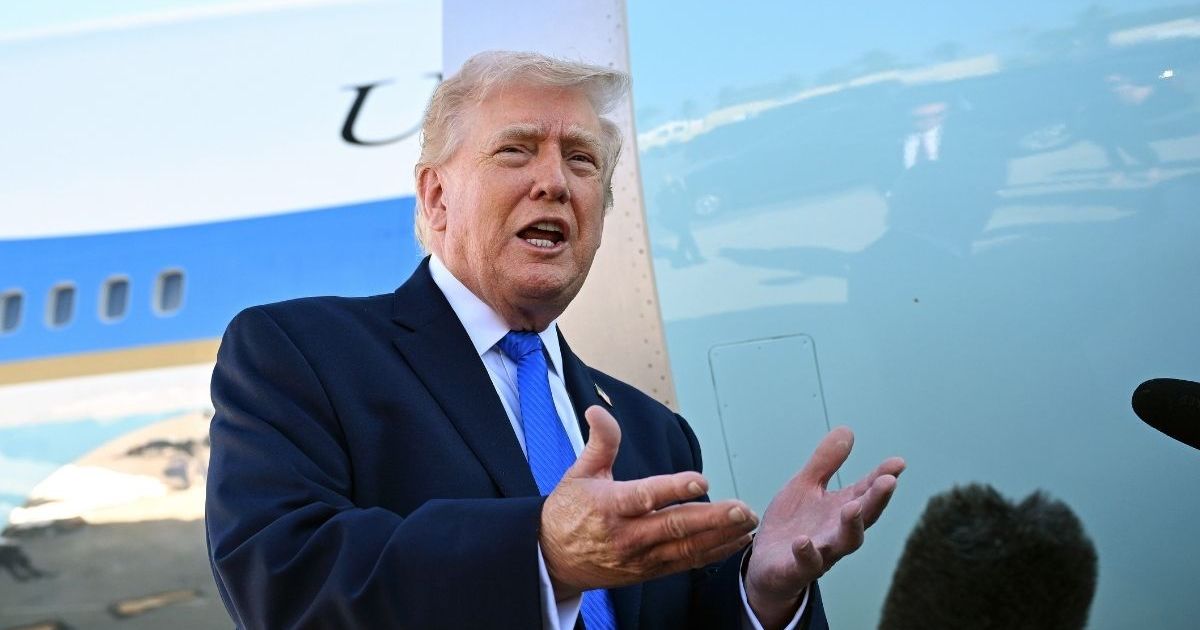
Trump Says U.S. Will Lift Iran Naval Blockade After Nuclear and Hormuz Pledges
President Trump stated the U.S. will end its naval blockade of Iran once Tehran commits to forgoing nuclear weapons and opens the Strait of Hormuz to unrestricted shipping. The announcement came via Truth Social and a live statement.
 dnaindia.com
Lebanese President Urges Ceasefire in Call With U.S. Secretary of State
Lebanese President Joseph Aoun spoke with U.S. Secretary of State Marco Rubio about the need for a ceasefire with Israel. Israeli and Lebanese military delegations met at the Pentagon on the same day.