U.S. Considers Using Frozen Iranian Assets for Gulf Damage Claims
Washington is considering directing frozen Iranian funds toward Gulf states for damage from recent Iranian strikes. Tehran continues to demand immediate release of $12 billion plus additional payments during talks.
 koreaherald.com
The United States plans to channel Iranian assets held in frozen accounts to Gulf states to cover damage from recent Iranian missile and drone strikes, a source familiar with the matter told Reuters on Saturday. Treasury Secretary Scott Bessent directed staff to collect damage estimates from Gulf allies after strikes hit Kuwait and Bahrain.
CBS reported that the Treasury Department intends to use all available authorities to allow those assets to be applied to repair costs.
Negotiations between Washington and Tehran remain stalled over Iran’s demand for an immediate $12 billion payment plus another $24 billion during a planned 60-day period after any initial agreement. Senior Iranian officials argue the funds belong to Iran and are a required condition for any deal.
Iran is also seeking sanctions relief on oil exports, removal of the U.S. blockade on its ports, and a role in managing traffic through the Strait of Hormuz.
U.S. forces struck Iranian radar sites on the coast of Gurok and on Qeshm Island after intercepting Iranian drones that threatened maritime traffic, Central Command said. Iran’s Revolutionary Guards stated they responded by attacking U.S. positions.
Kuwait’s military reported intercepting seven ballistic missiles that crossed residential areas, causing property damage but no casualties. Sirens sounded in Bahrain and residents were directed to protected spaces.
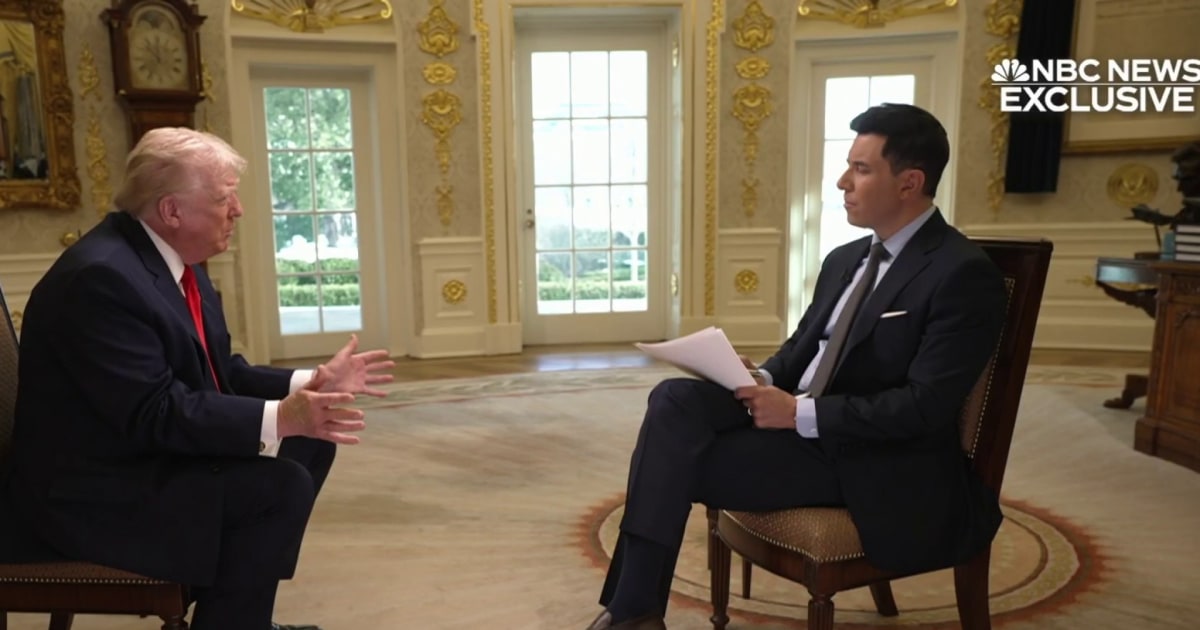
Trump said in an NBC interview that most Iranian drone and missile production facilities have been destroyed, while estimating Iran retains 21 to 22 percent of its pre-strike missile arsenal. Trump noted the long history of conflict between the two countries and said reaching an agreement would take time.
Axios reported that both sides are expected to seek changes to a draft memorandum of understanding.
Transparency
Story details
Related Stories
 nbcnews.com
President Trump Says Fed Should Not Raise Rates After Strong Jobs Report
President Trump stated that the Federal Reserve would be wrong to raise interest rates following a May jobs report that exceeded forecasts. His comments came ahead of nominee Kevin Warsh chairing his first policy meeting on June 16-17.
 dailyexcelsior.com
U.S. Destroys Iranian Drones, Iran Fires Missiles at Gulf States, Israel Strikes Beirut as Conflict Reaches 100 Days
U.S. Central Command said it shot down two Iranian drones threatening maritime traffic. Iran fired missiles at Bahrain and Kuwait on Saturday after earlier U.S. strikes on radar sites.
 digiday.com
U.S. Consumer Spending Holds Steady Despite Higher Fuel Prices
Americans continue to spend but are buying less gasoline per trip and fewer non-grocery goods. Warehouse clubs report more fuel visits while convenience stores and apparel retailers see declines.