UAE Withdraws from OPEC Effective May 1
The United Arab Emirates has announced its formal exit from OPEC starting May 1, 2026, aiming to pursue independent oil production strategies. The move highlights ongoing tensions with Saudi Arabia over quotas and reflects broader shifts in global energy markets driven by U.S. shale production.
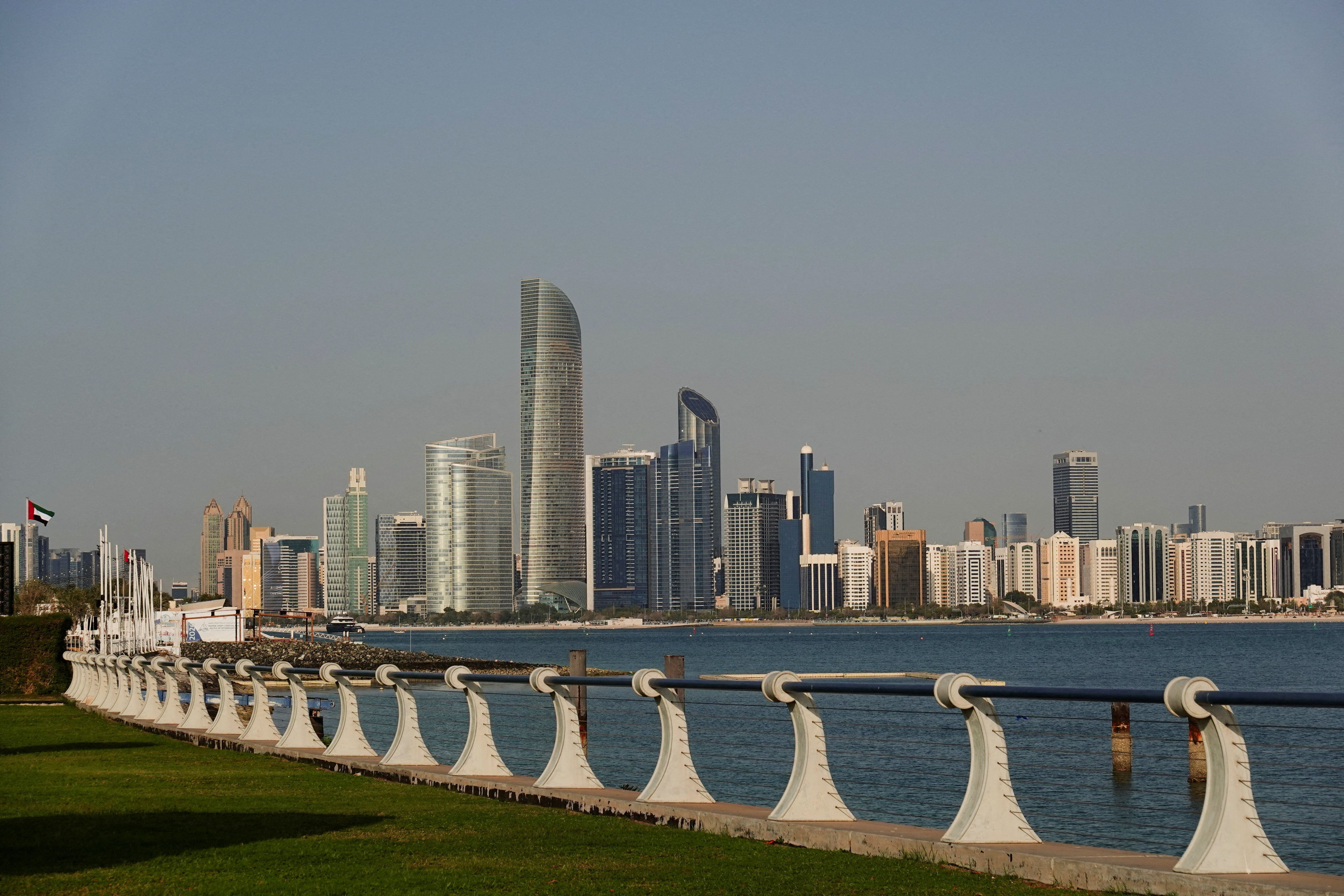
SemaforThe United Arab Emirates announced its withdrawal from the Organization of the Petroleum Exporting Countries, with the exit taking effect on May 1, 2026. The UAE stated the decision allows it to act independently in line with its long-term strategic and economic vision.
As OPEC's third-largest producer after Saudi Arabia and Iraq, the UAE produced 4.65 million barrels per day last month, up from 2.65 million in 2010. President Trump endorsed the UAE's decision on Wednesday, April 30, 2026. The announcement follows years of tensions within OPEC, particularly between the UAE and Saudi Arabia over production quotas.
The UAE has pushed for higher quotas to capitalize on its investments in oil production capacity.
This difference stems from the UAE's diversified economy, including Dubai's role as a financial center, and lower population pressures with per capita income at $50,000 versus Saudi Arabia's $35,000. Saudi Arabia, with a population of 35 million, has pursued expensive diversification projects under Crown Prince Muhammad bin Salman, leading to trade deficits.
The UAE has invested heavily to boost production, targeting 5 million barrels per day by 2027. Leaving OPEC frees the country from production constraints, allowing it to meet global demand more flexibly. Russia's finance minister stated that increased UAE output could lower global oil prices in the longer term.
Wood Mackenzie described it as the most significant fracture in OPEC's 66-year history, given the UAE's production capacity and reserves. OPEC, formed in 1960 by Iran, Iraq, Kuwait, Saudi Arabia, and Venezuela, now includes Algeria, Equatorial Guinea, Gabon, Libya, Nigeria, and the Republic of the Congo, with the broader OPEC+ alliance incorporating Russia since 2016.
U.S. shale production has undermined OPEC's influence, elevating the United States to the world's largest oil producer. American output relies on over 9,000 independent producers, accounting for 85% of production, driven by competition and innovations like hydraulic fracturing.
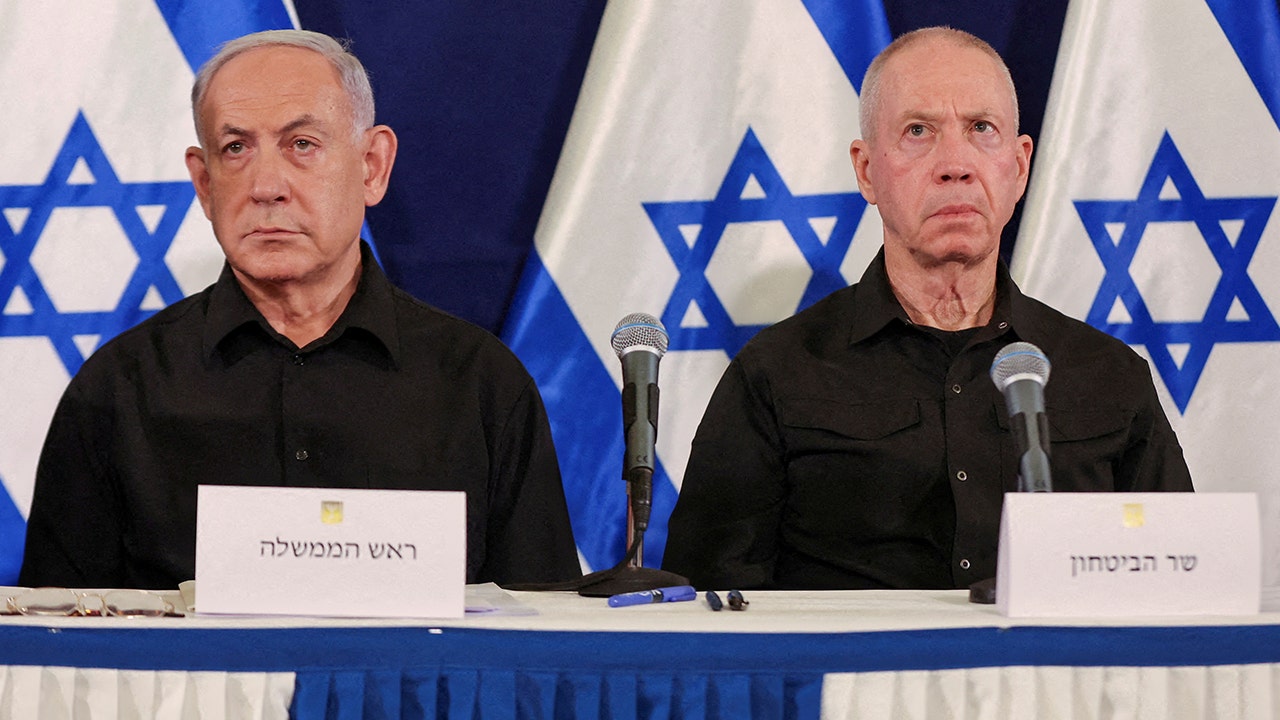
This shift reduced OPEC+ combined production to about 59% of global output. The 2014 oil price drop, from over $100 per barrel to under $40 by 2016, tested OPEC's strategy. Saudi Arabia's decision not to cut production aimed to challenge U.S. shale, but American producers adapted, with breakeven costs falling from $76 per barrel in 2014.
The exit reflects deepening splits between the UAE and Saudi Arabia on diplomatic issues, including Yemen, Sudan, Pakistan, and Somaliland. The UAE has aligned more closely with U.S. positions, less threatened by American shale due to its economic diversification.
Current U.S. shale breakevens are around $60 per barrel. Oil markets showed no immediate reaction to the announcement, with focus on the closure of the Strait of Hormuz amid the U.S.-Israel war with Iran, which caused the biggest loss of oil supply on record, according to the World Bank.
Analysts note that OPEC's relevance has diminished, with members often failing to adhere to agreed production levels. Gabriella Hoffman, director of the Center for Energy and Conservation at Independent Women’s Forum, stated the UAE seeks growth without OPEC constraints.
“I think they said, ‘We’ve had enough. We can grow without OPEC.'" — Gabriella Hoffman, director of the Center for Energy and Conservation at Independent Women’s Forum, April 30, 2026 (Just the News)”
Venezuela may follow the UAE out of OPEC if its opposition gains power, as the government of Delcy Rodriguez supports the cartel while the opposition does not. Such shifts could foster alliances in the Americas, though U.S. anti-trust laws prevent cartel-like restrictions on production.
Chris Weafer stated the exit signals OPEC's declining grip on oil markets. Maurizio Carulli, global energy analyst at Quilter Cheviot, noted that OPEC's influence on prices has varied, with enforcement challenges among members. The move aligns with U.S. preferences for lower oil prices to support consumer incomes and shale production, though balancing these with needs in Venezuela requires prices around $100 per barrel for investment.
Key Facts
Story Timeline
6 events- Apr 30, 2026
UAE announced its formal withdrawal from OPEC, effective May 1, 2026.
8 sourcesSemafor · Just the News · BBC News - Apr 30, 2026
President Trump endorsed the UAE's decision to leave OPEC.
1 sourceCBS News - 2023
Angola left OPEC, continuing a trend of departures.
2 sourcesJust the News · BBC News - Jul 2021
UAE clashed with Saudi Arabia at an OPEC+ meeting over production quotas, leading to adjournment.
2 sourcesJust the News · Responsible Statecraft - 2016
OPEC formed the OPEC+ alliance with Russia and other producers.
2 sourcesBBC News · Just the News - 2014
Oil prices fell from over $100 per barrel, prompting OPEC not to cut production.
1 sourceJust the News
Potential Impact
- 01
Global oil prices will decrease due to increased UAE production.
- 02
More OPEC members like Venezuela will consider exiting the cartel.
- 03
Saudi Arabia will face greater fiscal pressure with higher breakeven costs.
- 04
U.S. shale producers will benefit from sustained production at $60 breakeven.
- 05
African crude exports will face risks from UAE's independent output.
Transparency Panel
Related Stories
channelnewsasia.comU.S. Pauses One-Day Ship Guidance in Strait of Hormuz as Iran Talks Advance
President Trump announced a pause in the one-day-old effort to guide ships out of the Strait of Hormuz, citing progress toward an agreement with Iran. Secretary of State Marco Rubio declared the war with Iran concluded after a month-old cease-fire. The U.S. blockade remains in pl…
Spirit Airlines Cancels All Flights and Begins Wind-Down After Failed $500M Bailout Talks
Spirit Airlines announced the immediate wind-down of its operations on Saturday, canceling all flights and stranding passengers and workers. The decision followed the collapse of discussions with the Trump administration for a $500 million bailout. Other U.S. airlines offered res…
Democrats in Congress Urge Trump Administration to Acknowledge Israel's Nuclear Program
A group of Democrats in Congress sent a letter to the U.S. Secretary of State urging public acknowledgment of Israel's nuclear weapons program. The lawmakers cited risks of escalation amid the war in Iran and argued that U.S. silence on the issue affects credibility on global nuc…