Substrate
finance

UK Inflation Hits 3.3% in March as Iran War Drives Up Fuel Prices

UK inflation rose to 3.3% in the year to March, driven primarily by an 8.7% monthly increase in motor fuel prices following the start of the US-Israel war with Iran on February 28. Economists predict inflation could peak at 3.5% to 4% this year, exceeding the Bank of England's 2% target, while higher energy costs may slow economic growth.

Bloomberg
SK
BBC News
The Independent
GB News
6 sources·Apr 22, 8:38 AM(9 days ago)·3m read
|
UK Inflation Hits 3.3% in March as Iran War Drives Up Fuel PricesPeteComley / Wikimedia (CC BY-SA 4.0)
Audio version
Tap play to generate a narrated version.

The UK inflation rate increased to 3.3% in the 12 months to March, up from 3% in February, according to the Office for National Statistics. This rise was largely attributed to higher fuel prices stemming from the US-Israel war with Iran, which began on February 28.

Motor fuel prices jumped 8.7% month-on-month, the largest increase since June 2022, and rose 4.9% over the year, the highest annual rise since January 2023. Airfares and food prices also contributed to the uptick, though clothing costs provided some offset by rising less than the previous year.

The data was collected mid-March, several weeks into the conflict, which has disrupted energy production and transportation in the Middle East through missile strikes and drone attacks.

Wholesale energy prices have surged since the war's onset, with economists forecasting UK inflation could peak between 3.5% and 4% this year. This exceeds the Bank of England's 2% target but remains below the double-digit rates seen early in the 2022 Ukraine war.

Higher energy costs are expected to constrain spending by households and businesses, potentially slowing economic growth. The monthly cost of raw materials for businesses and factory gate prices rose substantially, driven by elevated crude oil and petrol prices, the Office for National Statistics reported.

Food inflation increased from 3.3% to 3.7% in the year to March, influenced by rises in chocolate, confectionery, meat, fish, and soft drinks, partly linked to Easter timing.

This is just the first wave of the energy shock, primarily showing up in higher prices at the pump. We are yet to see the knock-on impact of price pressures in downstream or byproducts to oil and gas, such as fertiliser, helium, plastics or metals.

Adam Deasy, economist at PwC UK (BBC News)

It can take seven to 13 months for cost increases in the food supply chain to reach retail prices. The Food and Drink Federation forecasts food inflation could reach 10% by year's end.

Reeves stated the war is pushing up bills for families and businesses, emphasizing the government's priority to keep costs down and protect against unfair price rises. She highlighted efforts to boost long-term energy security. Shadow chancellor Sir Mel Stride attributed higher inflation to the war but criticized government choices, including tax hikes and energy policies, for increasing economic vulnerability.

He called for cutting benefits, lowering taxes, and new North Sea drilling. Liberal Democrat Treasury spokesperson Daisy Cooper described the war as adding to the ongoing cost-of-living crisis, proposing measures to cut fuel prices, rail fares, and bus prices.

This is not our war, but it is pushing up bills for families and businesses. That's why it's my number one priority to keep costs down.

Chancellor Rachel Reeves (BBC News)

The Bank of England's Monetary Policy Committee is set to meet next week to decide on interest rates, currently at 3.75%. Prior to the war, rates were expected to fall this year, but higher inflation has led to speculation they may hold steady or increase.

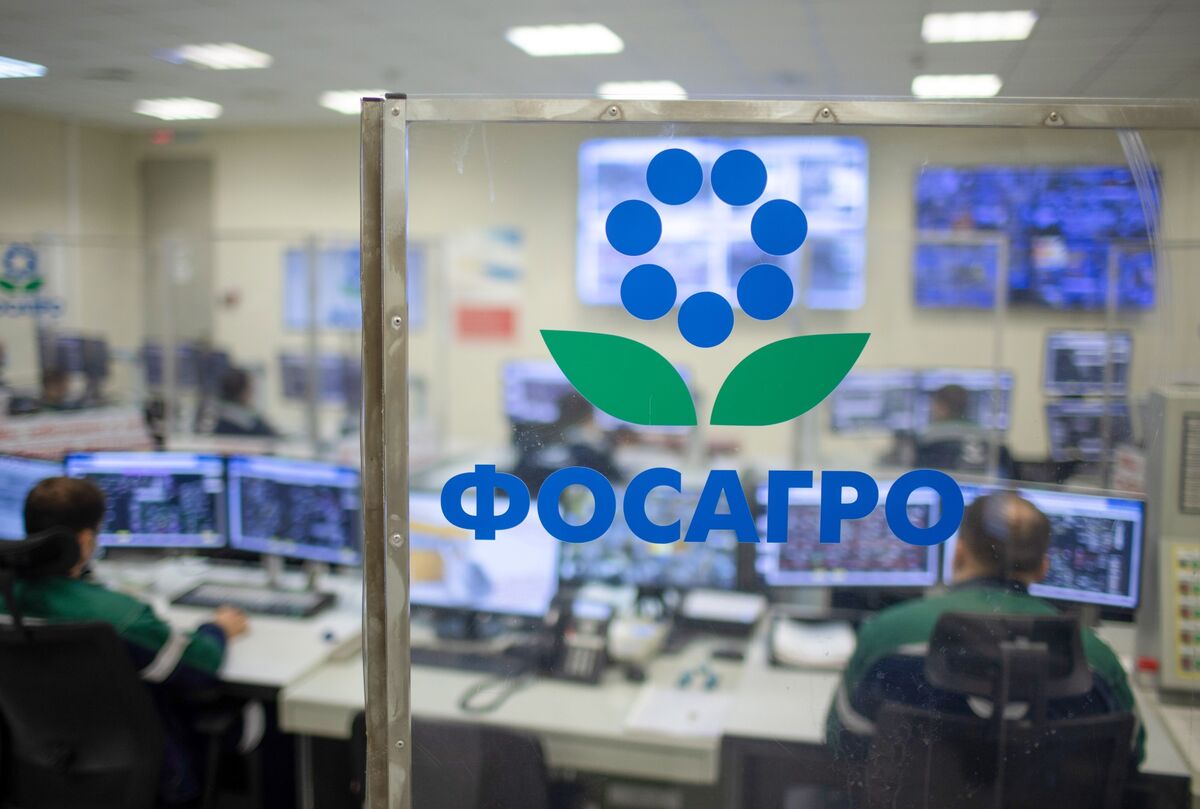
Ukrainian drones targeted a fertilizer plant in northwest Russia owned by PhosAgro PJSC, as part of intensified attacks on Russia's commodities exporters. These exporters are benefiting from higher prices resulting from the Iran war. One source reported that higher food and fuel prices could persist for more than eight months after the Iran war ends, according to a minister's revelation.

Personal accounts highlight the strain, with a driving instructor in Shoreham-on-Sea noting an extra £100 monthly cost for petrol, impacting maintenance and potentially lesson prices.

Key Facts

3.3%
UK inflation rate in year to March
8.7%
month-on-month increase in motor fuel prices
Feb 28
start date of US-Israel war with Iran
3.75%
current Bank of England interest rate
10%
forecasted food inflation by year-end

Story Timeline

4 events
  1. 4 days ago

    UK inflation rate rose to 3.3% in the year to March, driven by fuel price increases from the Iran war.

    1 sourceBBC News
  2. Mid-March 2026

    Office for National Statistics collected data showing 8.7% month-on-month rise in motor fuel prices.

    1 sourceBBC News
  3. Feb 28, 2026

    US-Israel war with Iran began, leading to surges in wholesale energy prices.

    2 sourcesBBC News · business
  4. Recent days

    Ukrainian drones targeted a fertilizer plant in northwest Russia owned by PhosAgro PJSC.

    1 sourcebusiness

Potential Impact

  1. 01

    Bank of England may hold or increase interest rates at next meeting.

  2. 02

    Food prices will rise further as supply chain costs filter through over 7-13 months.

  3. 03

    UK economic growth could slow due to reduced household and business spending.

  4. 04

    Higher fertilizer prices may emerge from disruptions like the Russian plant attack.

  5. 05

    Government will implement measures to protect against unfair price rises.

  6. 06

    Airfares could face additional pressure beyond Easter timing effects.

Transparency Panel

Sources cross-referenced6
Confidence score85%
Synthesized bySubstrate AI
Word count601 words
PublishedApr 22, 2026, 8:38 AM
Bias signals removed3 across 3 outlets
Signal Breakdown
Loaded 2Amplifying 1

Related Stories

US, Japan, and South Korea Stock Indices Reach Record Highs Despite Iran War DisruptionsEuronews
finance2 hrs agoDeveloping

US, Japan, and South Korea Stock Indices Reach Record Highs Despite Iran War Disruptions

Major stock indices in the United States, Japan and South Korea reached new all-time highs this week, even as the war in Iran disrupts global energy markets and shipping routes. Oil prices stand at a four-year high, with 10-12 million barrels a day disrupted in the Strait of Horm…

Euronews
Semafor
2 sources
Sen. Tim Scott Urges Jerome Powell to Leave Fed as Chair Term Ends This MonthBrokenSphere / Wikimedia (CC BY-SA 4.0)
finance2 hrs ago

Sen. Tim Scott Urges Jerome Powell to Leave Fed as Chair Term Ends This Month

Sen. Tim Scott expressed hope that Federal Reserve Chair Jerome Powell will depart after his term ends in May, suggesting Powell might stay to challenge the incoming leadership. Powell plans to remain as a governor until 2028, citing concerns over threats to Fed independence. Sou…

New York Post
RealClearPolitics
Atlantic Council
3 sources
finance40 min ago

UAE Leaves OPEC After 60 Years of Membership, Reducing Group to 11 Producers

The United Arab Emirates departed the Organization of the Petroleum Exporting Countries on Tuesday, reducing the group's membership to 11 nations. OPEC members now account for about 33% of global crude oil output. The exit occurs amid high oil prices and the ongoing closure of th…

BBC News
The Guardian
OilPrice.com
3 sources