UK Navy Chief Calls for Tech Investments and Risk-Taking in Response to Evolving Global Threats
First Sea Lord General Sir Gwyn Jenkins called for the Royal Navy to adopt more risks and advanced technologies to stay ahead of enemies. He highlighted evolving threats including Russian incursions and Middle East developments. The speech comes amid government commitments to increase defence spending.
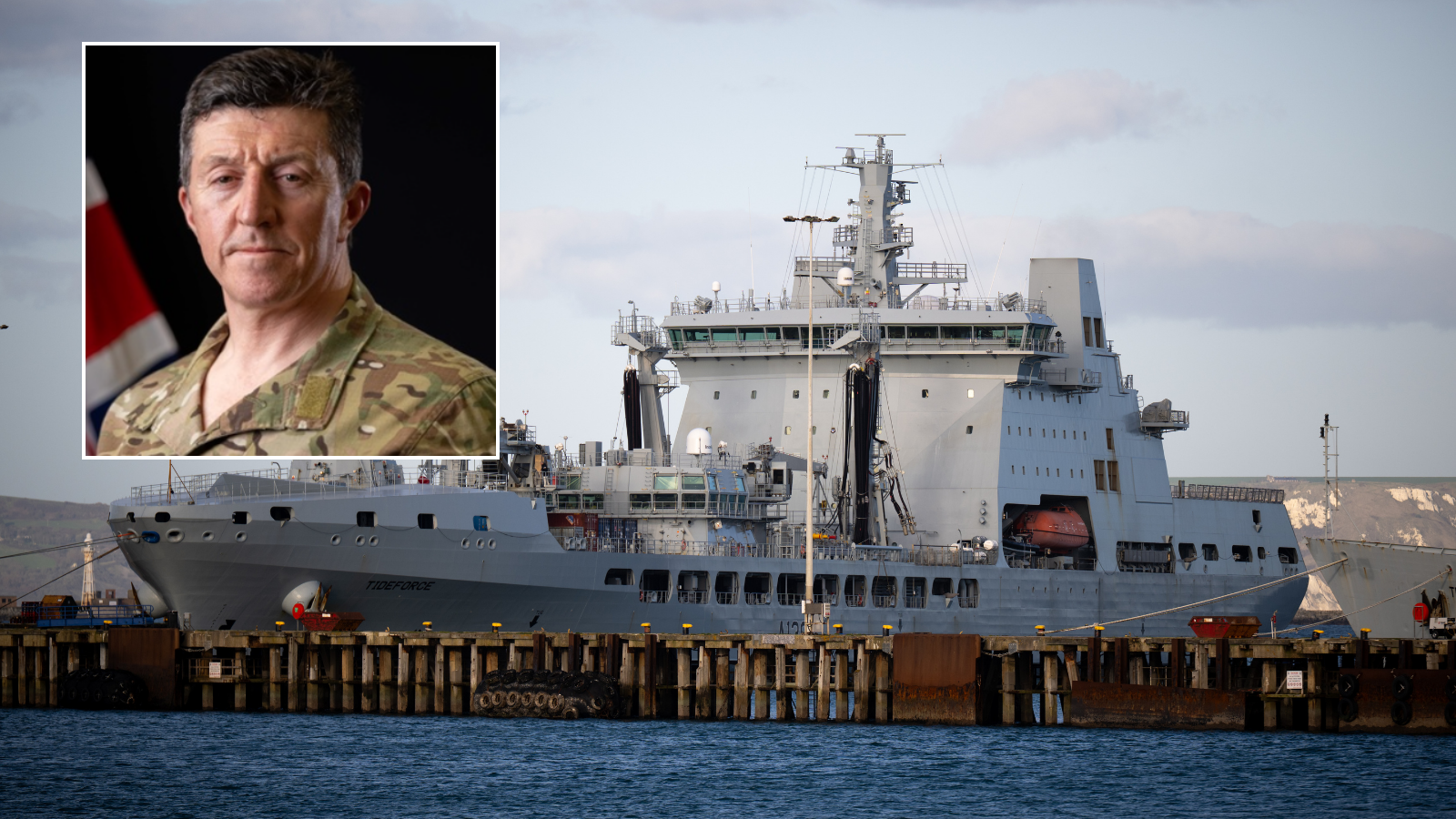
GB NewsBritain's First Sea Lord General Sir Gwyn Jenkins stated that the country must take more risks to stay ahead of its enemies, warning that maintaining the status quo is simply not good enough. In a speech at the Royal United Services Institute, he emphasized that the Royal Navy is at an inflection point, with threats having developed and evolved over the last decade, becoming irrefutable in 2022 with Russia’s invasion of Ukraine.
GB News reported these details from the address.
Jenkins pointed to the blockade of the Strait of Hormuz during the Iran war as demonstrating the vulnerability of traditional naval platforms. He added that the rallying call has grown louder with geopolitical developments of the last four years, including in the Middle East. The Navy chief plans to leave the Royal Navy much stronger than the one he inherited by 2029.
The key to the Navy’s plan, according to Jenkins, is a hybrid approach where both crewed ships and drones will work with other cutting-edge technology. He stressed that it’s not about replacing existing capabilities but about increasing the survivability and lethality of the force.
Jenkins also emphasized investing in the way personnel are trained so they can focus skills in complex, high-threat battle scenarios, much of which can only be practised through simulation.
Jenkins stated that the Navy must invest in the technologies of the future and change its entire mindset to stay ahead of enemies. Staying ahead requires taking more risk, ruthlessly removing unnecessary regulations and other barriers to cut the time between trialling new systems and putting them to sea or alongside commanders.
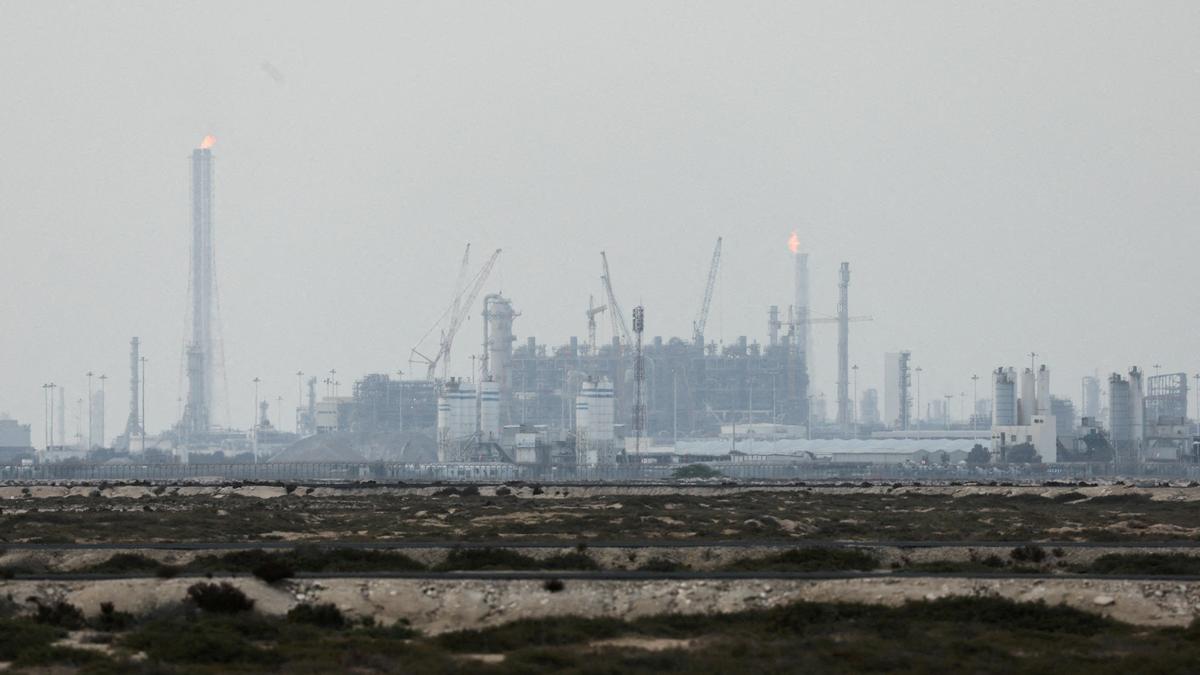
He warned that Russian incursions into British waters had jumped by almost a third in the last two years.
In 2025, the Royal Navy was required to respond dozens of times in support of homeland defence against Russian navy surface vessels, Jenkins said. Just maintaining the capable status quo is simply not good enough, he reiterated during the speech. GB News reported on these specific data points from the Navy chief.
Separately, at Prime Minister’s Questions on Wednesday, Sir Keir Starmer stated that the Government had increased defence spending to the highest since the Cold War. 3% of GDP.
Starmer added that the previous Tory administration’s own Secretary of State admitted they hollowed out the armed forces. 5 per cent of GDP on defence by 2027. 5 per cent of GDP on defence by 2035.
Key Facts
Story Timeline
5 events- 2026-04-29
First Sea Lord General Sir Gwyn Jenkins delivers speech at the Royal United Services Institute on Navy's future plans and risks
1 sourceGB News - 2026-04-28
Prime Minister’s Questions where Sir Keir Starmer discusses defence spending increases and criticizes previous administration
1 sourceGB News - 2025
Royal Navy responds dozens of times to Russian navy surface vessels in support of homeland defence
1 sourceGB News - 2024-2026
Russian incursions into British waters jump by almost a third in the last two years
1 sourceGB News - 2022
Russia’s invasion of Ukraine highlights evolving threats, according to Jenkins
1 sourceGB News
Potential Impact
- 01
Increased defence budget could lead to expanded military investments and job creation in related sectors
- 02
Potential acceleration of Royal Navy's adoption of drone and hybrid technologies, enhancing operational capabilities
- 03
Criticism of past administration could polarize domestic political discourse on defence priorities
- 04
Heightened focus on Russian threats may strain UK-Russia diplomatic relations further
- 05
Policy shifts might influence NATO allies' defence strategies and spending targets
Transparency Panel
Related Stories
Oil Prices Drop After Reports of U.S.-Iran Talks on Ending War and Reopening Strait of Hormuz
Oil prices dropped significantly following reports that the U.S. and Iran are close to a memorandum of understanding to halt fighting and begin nuclear talks. President Trump announced a pause in the U.S. naval escort operation in the Strait of Hormuz. Iran is expected to respond…
FDA Withdraws Studies Supporting Safety of COVID and Shingles Vaccines
The U.S. Food and Drug Administration blocked the publication of research finding rare side effects from COVID and shingles vaccines. The studies were withdrawn due to broad conclusions not supported by data, amid broader efforts by the Trump administration to challenge vaccine r…
UAE Leaves OPEC After 60 Years of Membership, Reducing Group to 11 Producers
The United Arab Emirates departed the Organization of the Petroleum Exporting Countries on Tuesday, reducing the group's membership to 11 nations. OPEC members now account for about 33% of global crude oil output. The exit occurs amid high oil prices and the ongoing closure of th…