UK startup launches drug crystallisation unit to International Space Station
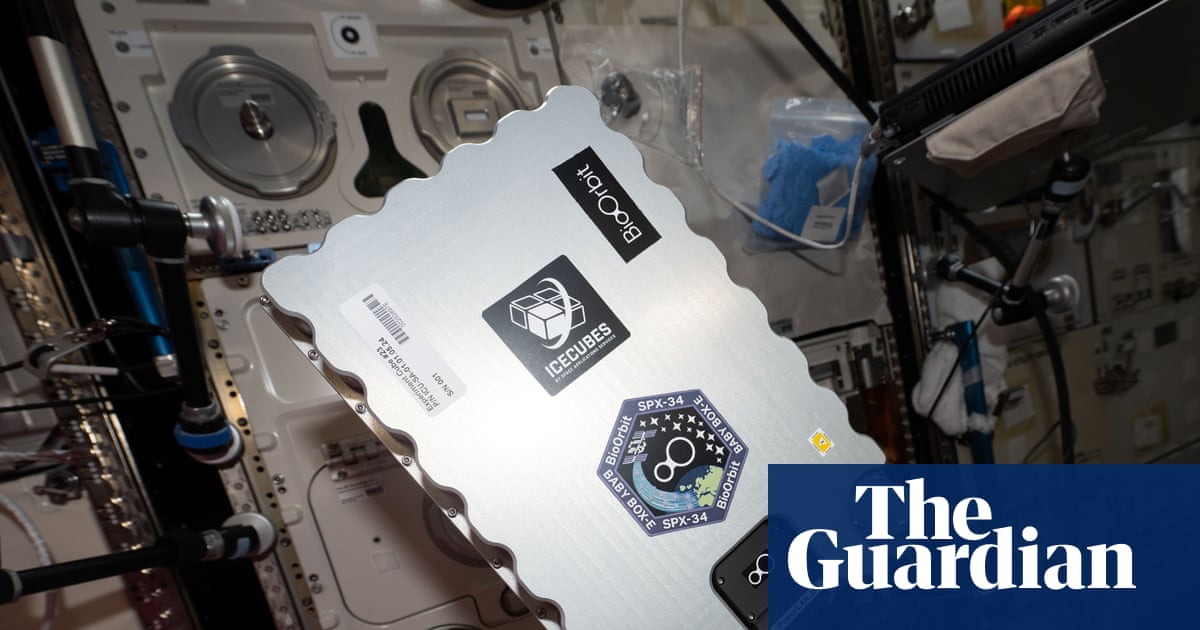
BioOrbit sent a compact unit aboard a SpaceX rocket on 15 May to grow protein crystals in microgravity. The crystals are intended for use in self-injected cancer treatments after return to Earth.
 The Guardian
A British startup launched a microwave-sized device on 15 May aboard a SpaceX rocket from Kennedy Space Center. The unit, called Box-E, is headed to the International Space Station to grow protein crystals under microgravity conditions. BioOrbit developed the technology at its London laboratories.
The crystals formed in orbit are expected to be more pure and stable than those produced on Earth, allowing concentrated drug formulations that can be stored in a refrigerator and self-injected.
Orbital testing phase The Box-E unit will remain in orbit for about six weeks.
Upon return, the crystals will be processed into medications that could replace lengthy intravenous infusions currently given in hospitals. Dr Katie King, co-founder and chief executive of BioOrbit, said the orbital tests represent a step toward large-scale production of protein crystals in space.
She noted that gravity interferes with crystallisation of large, flexible protein molecules used in antibody drugs.
Funding and partnerships BioOrbit raised £9.8 million last month from investors including LocalGlobe and Breega. The company also secured a £250,000 contract from the UK Space Agency in March. The startup plans to partner with pharmaceutical companies to produce the crystals at scale.
It has already received interest from several multinational firms in the UK and the US. King said it will take at least five years before any new formulations reach the market, as they must complete clinical trials and obtain regulatory approval.
Transparency
Reported by a single outlet. This score reflects source tier and factual specificity — corroboration is limited with one source.
Story details
Related Stories
 foxbusiness.com
Trump Shares AI Images of Proposed White House Ballroom and Drone Port Amid Ongoing Legal Battle
President Trump posted AI-generated images of a proposed drone port atop a planned White House ballroom and criticized a federal judge overseeing related litigation. Construction continues while an appeals court holds an injunction in place.
 fortune.com
U.S. Special Operations Command Reports Increasing Use of AI to Enhance Targeting and Decision Speed
Admiral Frank Bradley said humans must retain confidence that AI will deliver violence only where intended. Defense Secretary Pete Hegseth continues to push rapid AI adoption across the military.
 The Times
Sapiens International Sets Up London Headquarters to Expand AI Insurance Tools
Private equity-backed Sapiens International is establishing a London headquarters. The company plans to use artificial intelligence to automate portions of insurance work. Abu Dhabi holds a stake in the firm.