UNICEF Report: Nearly Half of Children Face at Least Three Climate Hazards, Almost All Face One
A new UNICEF analysis shows more than one billion children experience overlapping climate threats. The report maps exposure across eight hazards and highlights infrastructure gaps affecting daily life.
 The Guardian
Nearly half of the world’s children face at least three overlapping climate threats, according to a UNICEF report released on June 16. More than one billion children encounter at least three hazards simultaneously, while almost every child worldwide is exposed to at least one.
The analysis examined exposure to eight hazards: coastal floods, droughts, extreme heat, fires, heatwaves, river floods, sand and dust storms, and tropical storms.
123,000 children experience more than six climate hazards across their lifetimes. Children in Bangladesh, Myanmar, and Pakistan encounter more hazards than those in any other countries. In the Sahel region of Africa, more than 4 million children face the combined threat of heatwaves, extreme heat, and sand and dust storms.
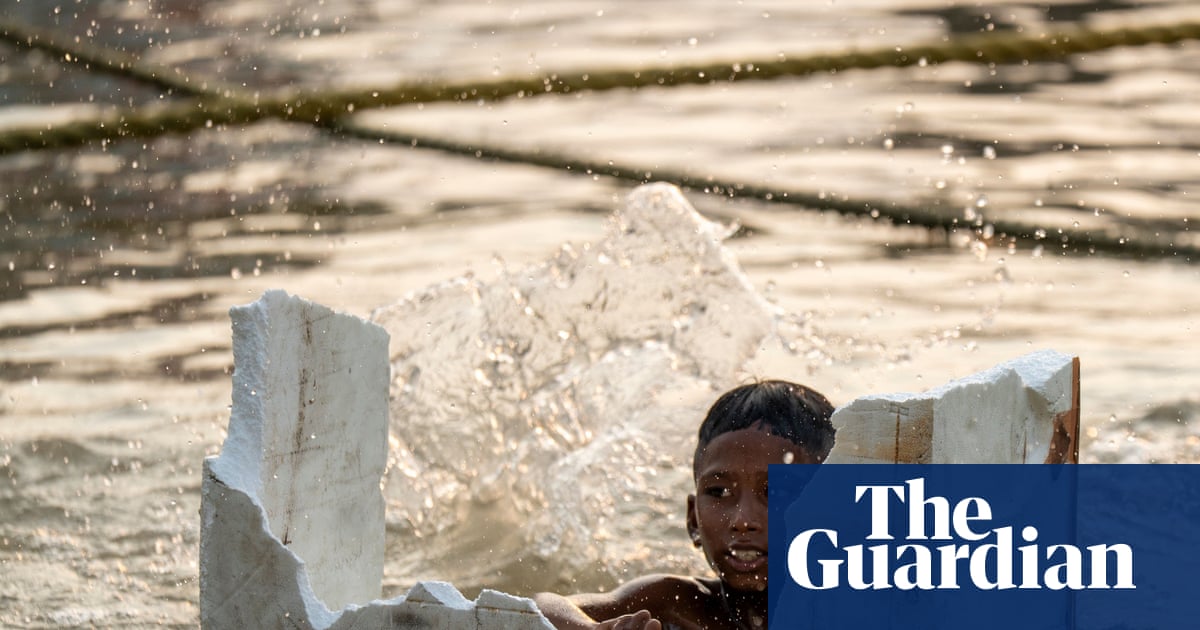
In Italy, more than 6 million children are exposed to prolonged heatwaves and drought. In Launkalana, Rigo district, Papua New Guinea, a footbridge over the Kemp Welch river washed away in 2012 and has not been replaced. Hundreds of children swim across the crocodile-filled river each day to reach school.
The community owns a few small boats, but younger children receive priority for their use. Lorna, 15, crosses the river daily. “During our periods, our elders do not allow us to cross the river to attend our classes as they think it will attract crocodiles … My dream is to become a teacher or pilot.
We want a new bridge so we can go to school safely every day,” she said. The community has been unable to raise funds for replacement. Charlie Vali David, headteacher in Launkalana, described the impact during monsoon season.
“During monsoon season, heavy currents, dead trees and debris block the river – causing injury and death,” he said. “Many children fall sick from the cold, dirty river water. That creates a learning gap.