US and Iran Agree to Two-Week Ceasefire in Ongoing Conflict
The United States and Iran have accepted a two-week ceasefire proposal mediated by Pakistan, following six weeks of military escalation. The agreement aims to facilitate negotiations toward a long-term peace deal. Regional leaders and international actors have responded with calls for de-escalation amid economic disruptions from the conflict.
 ecns.cn
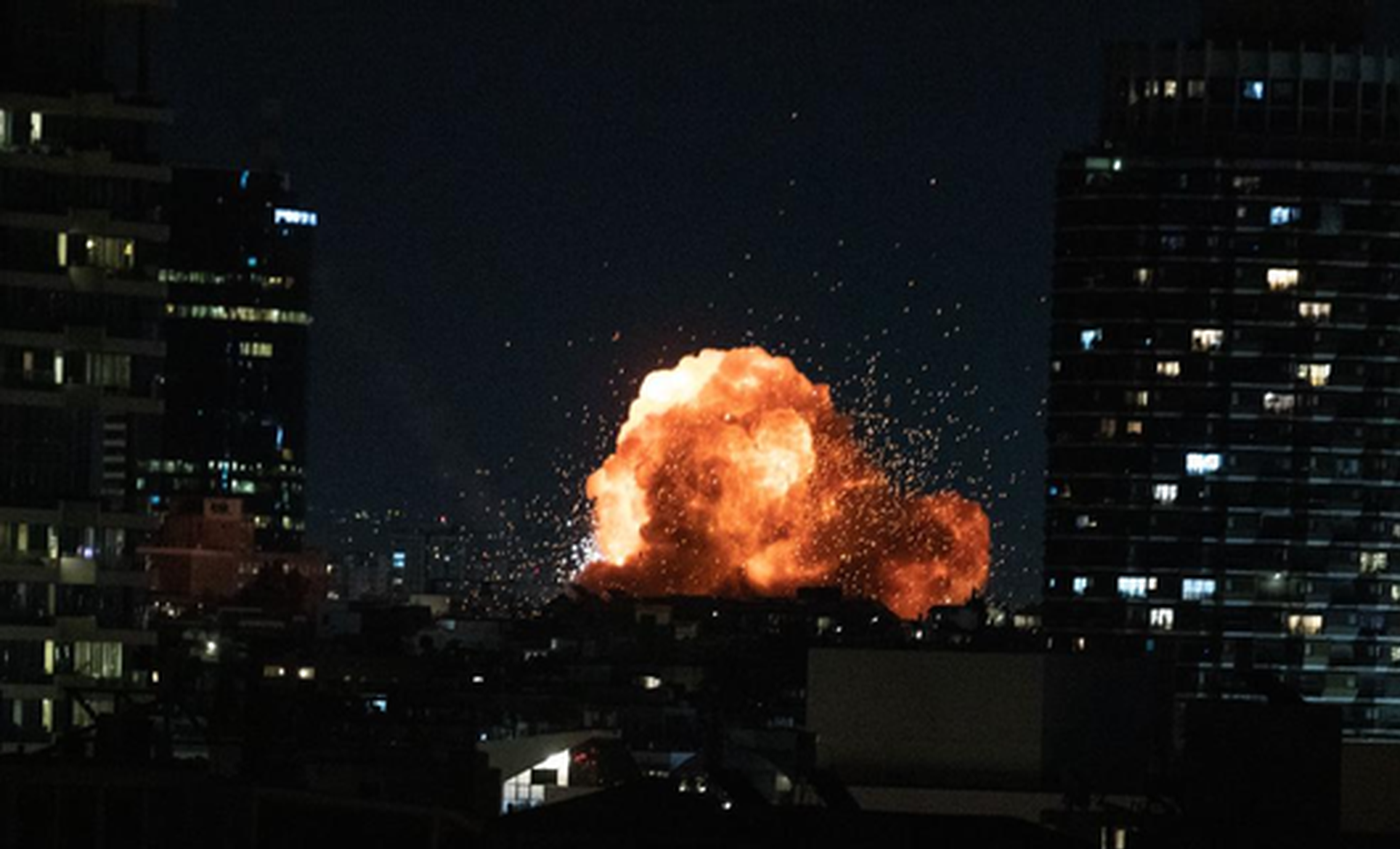
President Donald Trump announced the acceptance of a Pakistani proposal for a two-week ceasefire between the United States and Iran. The ceasefire follows six weeks of escalating hostilities that began with joint US-Israel attacks on Iran. Iran's response included strikes on US assets in the Persian Gulf and Israel, as well as the closure of the Strait of Hormuz.
The conflict has caused a global crisis in oil and liquefied gas supplies, leading to inflationary pressures. Tehran closed the Strait of Hormuz, disrupting maritime trade routes. The United States incurred daily costs of at least $1 billion from the war efforts.
Israel launched a campaign to occupy southern Lebanon in response to attacks from the Iran-aligned group Hezbollah.
The Islamic Revolutionary Guard Corps maintained retaliatory strikes, firing dozens of advanced missiles and drones daily against targets in the Gulf and Israel. Reports indicate Israel faced shortages of interceptors and manpower in its defense forces. US allies declined to provide active support for the joint operations with Israel, citing concerns over international law and national interests.
Russia and China, which have strategic agreements with Iran, opposed the war and called for de-escalation. The conflict widened without broader international participation. Public opinion in the United States turned against the war, with 61% of citizens opposing it due to rising costs of living and fuel prices.
Trump's approval ratings declined in polls as the economic effects became evident. The war added to the US federal debt, which stands near $40 trillion.
The ceasefire provides a period to negotiate a definitive agreement on long-term peace.
Trump stated that a 10-point proposal from Iran, in response to a US 15-point proposal, forms a workable basis for talks. Key elements include cessation of hostilities on all fronts, though Israel claimed the agreement does not cover Lebanon. > "We received a 10 point proposal from Iran (in response to the US 15-point proposal), and believe it is a workable basis on which to negotiate.
" — President Donald Trump (The Independent/The Conversation) The agreement addresses past contentions, with negotiations set to finalize within the two-week period. Iranian resilience, including suppression of early-year protests and strategic counterattacks, exceeded initial US expectations. The ceasefire halts Operation Epic Fury, which Trump had threatened to escalate.
The war stemmed from US and Israeli aims to force regime change in Iran, but Tehran proved more entrenched than anticipated.
Netanyahu faces an International Criminal Court indictment for war crimes in Gaza, complicating alliances. A comprehensive peace deal remains challenging but possible if parties negotiate in good faith. Leaders across the Middle East reacted to the ceasefire, with calls for sustained de-escalation from locations including Abu Dhabi.
The agreement offers potential for a regional order based on collective security rather than dominance by one actor. Economic repercussions from the Strait closure continue to affect global markets.
Transparency
2 independent outlets report the same core facts. This score blends how many outlets corroborate, their editorial tier, and how closely their facts agree — it measures corroboration, not proof.
Story details
Related Stories
 thehindu.com
U.S. Strikes Botswana-Flagged Tanker in International Waters; Iran Blockade in Effect
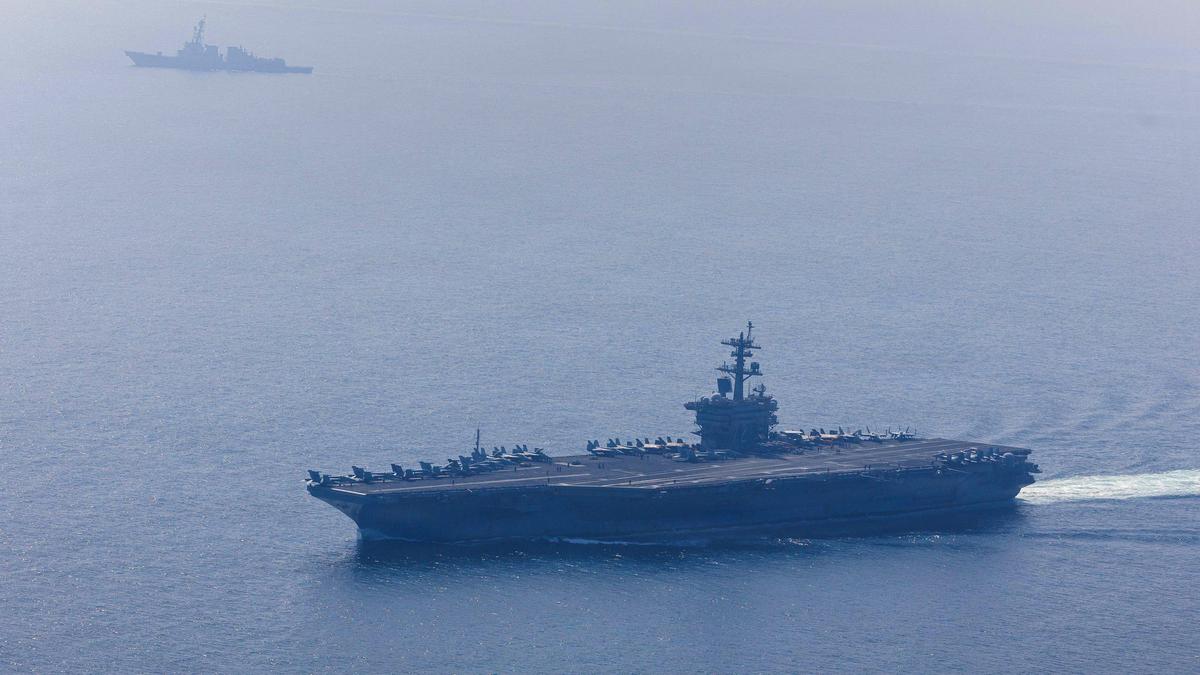
A U.S. aircraft fired an AGM-114 Hellfire missile into the engine room of the M/T Lexie on Tuesday, disabling the unladen vessel as it headed toward Kharg Island. The strike followed repeated ignored warnings over 24 hours.
 news.sky.com
Fed Chairman Names Two Outside Advisers During Transition
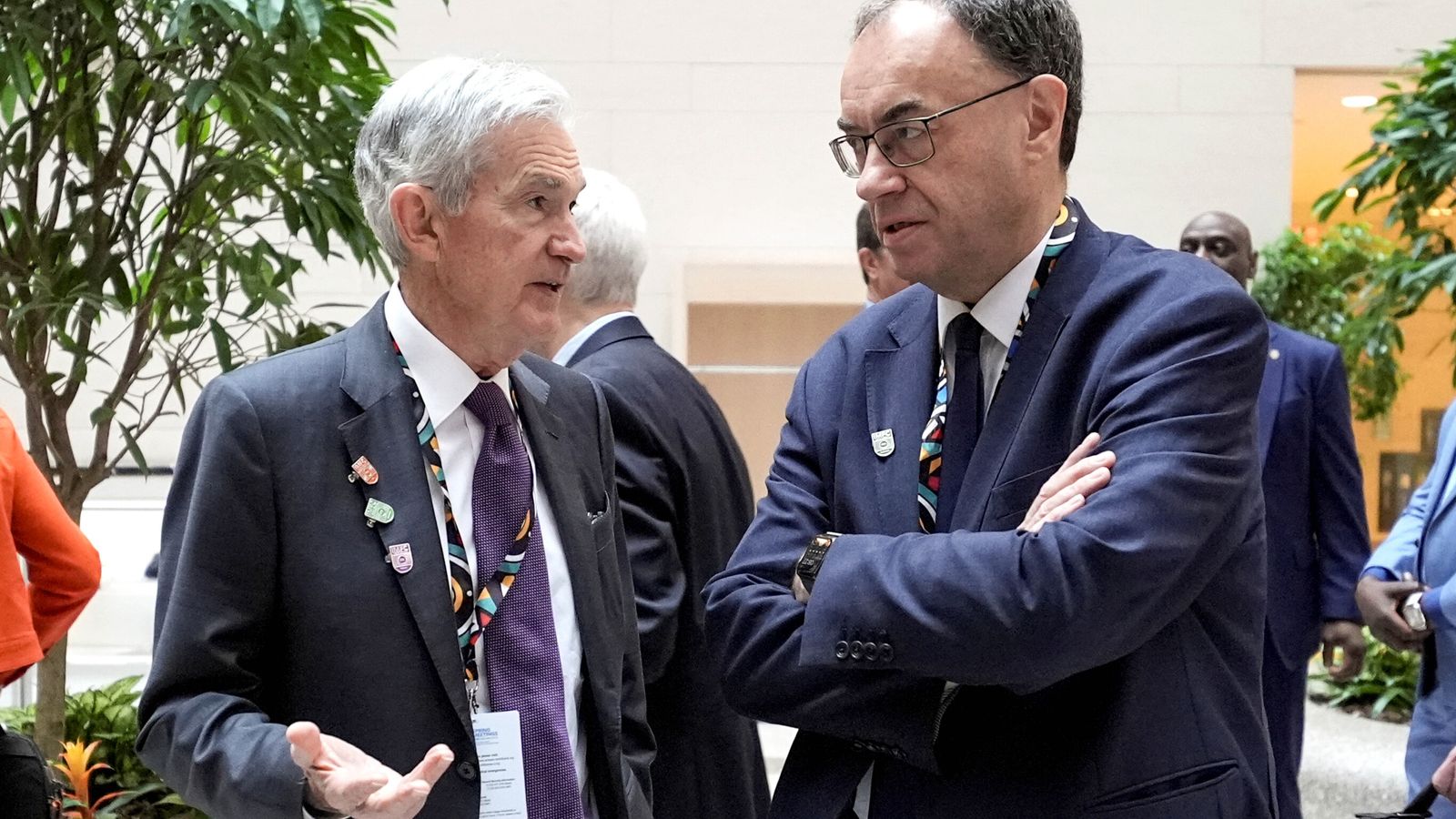
Federal Reserve Chairman Kevin Warsh appointed two interim advisers shortly after taking the post. One previously contributed to a conservative plan calling for major changes at the central bank.
 al-monitor.com
U.S. Sanctions Four Iranian Crypto Exchanges, Including Nobitex
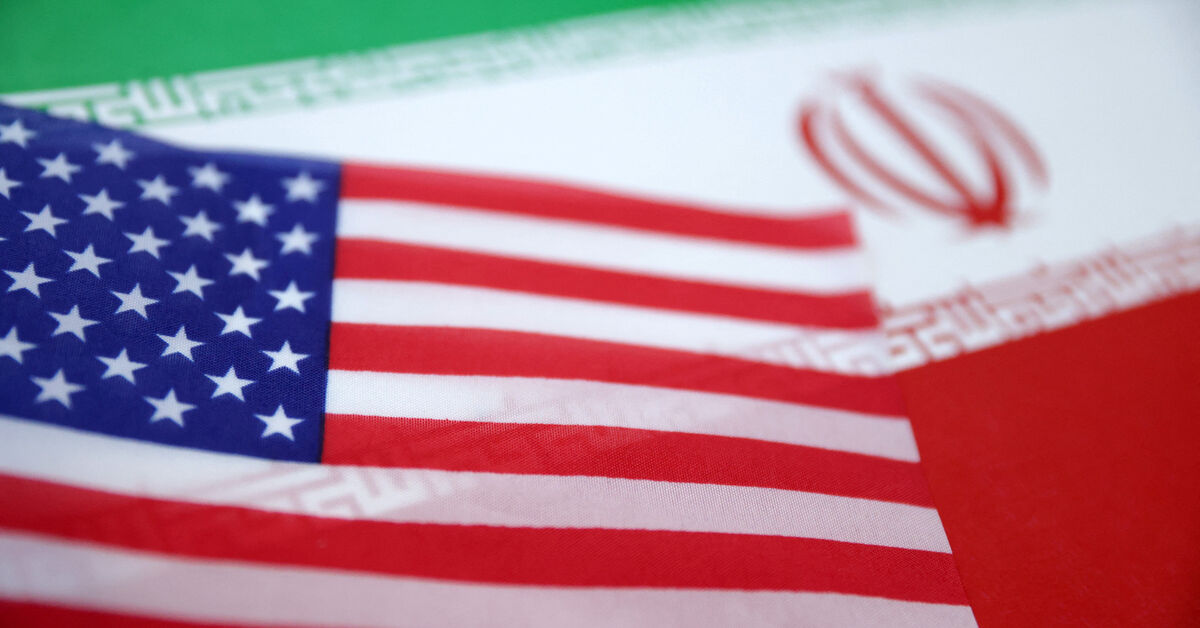
U.S. officials imposed sanctions on Iran's largest cryptocurrency exchange Nobitex and three unnamed additional platforms. The measures bar the exchanges from the U.S. financial system and prohibit American persons from dealing with them.