Unbiased AI-powered news
The United States has announced a ceasefire between Israel and Iran after five weeks of military conflict, though Israeli Prime Minister Benjamin Netanyahu stated that Israel's war objectives remain unfulfilled. The agreement excludes Israel's ongoing operations in Lebanon, where strikes have caused significant casualties. Disagreements over the ceasefire's scope and Iran's nuclear status persist.
vanguardngr.comA ceasefire between Israel and Iran took effect overnight following five weeks of war initiated by a joint Israeli-US military campaign at the end of February. The agreement was announced by US President Donald Trump, with Israel acknowledging the pause but emphasizing that it does not end the conflict.
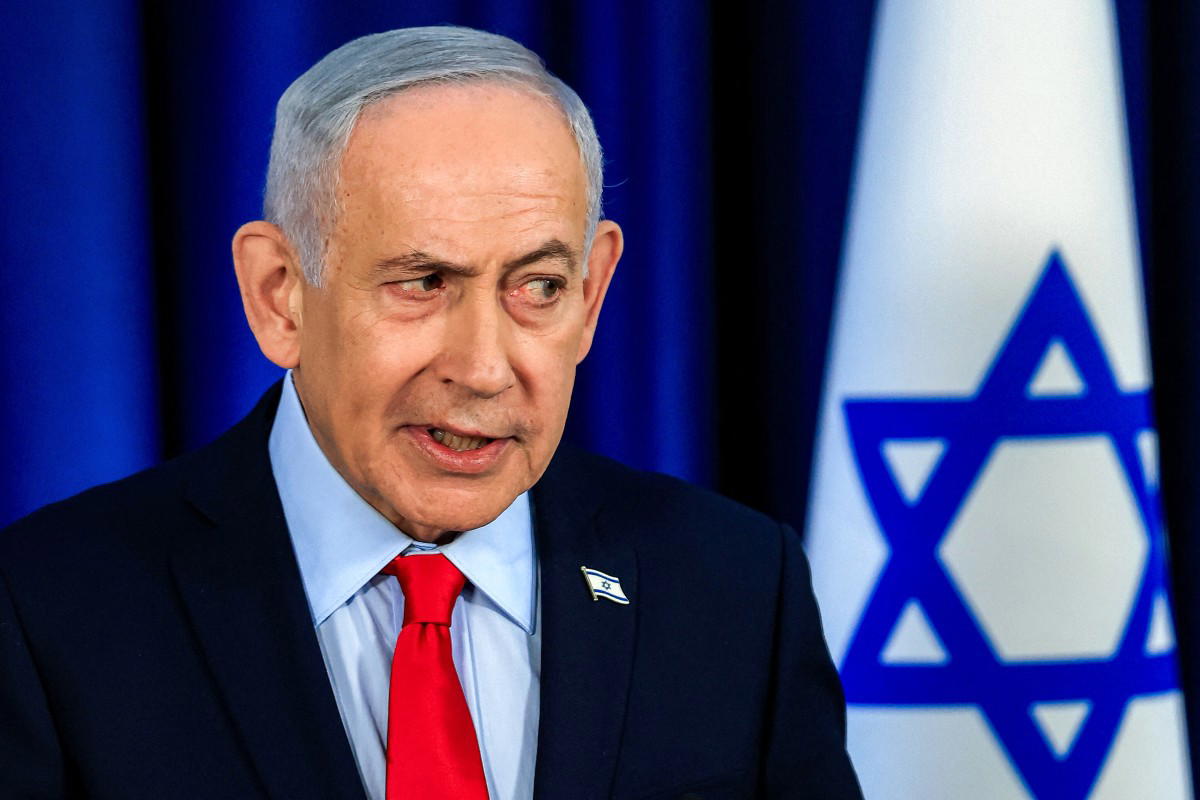
Netanyahu described the ceasefire as a suspension ahead of potential talks, while Iran and the US both claimed victories.
Netanyahu's initial goals included ending the threat from Iran's Ayatollah regime, but these objectives were not met. Iran's clerical establishment remains in place, despite the deaths of Supreme Leader Ayatollah Ali Khamenei and other senior figures in US-Israeli strikes.
Iran's nuclear program and enriched uranium stockpile are unresolved, and its ballistic missile arsenal, though degraded, continued launching attacks toward Israel.
Missile alerts sounded in Jerusalem even after the ceasefire announcement, with the Israel Defense Forces reporting multiple launches from Iran. Netanyahu stated that Israel has additional goals to achieve, either through agreement or by resuming fighting. He added that the operation would continue as necessary to address the Iranian threat.
leader Yair Lapid criticized the ceasefire as a political and strategic failure for Netanyahu, noting Israel's limited involvement in the decision-making.
Lapid said the Israeli army and public performed as required, but Netanyahu did not meet his stated goals. The conflict occurs during an election year in Israel, potentially affecting Netanyahu's leadership. Analysts offered mixed assessments.
Anshel Pfeffer noted Netanyahu's reference to a suspension rather than an end to hostilities, suggesting possible rifts with the US. Shira Efron from RAND described the war as failing to remove Iran's existential threat, likening the regime to a hydra after leadership losses.
Yossi Kuperwasser from the Jerusalem Institute for Strategy and Security argued that practical goals, such as striking nuclear and missile facilities and decimating military leadership, were achieved, while broader aims like regime change were not guaranteed.
“— Yair Lapid, Israeli opposition leader, Wednesday (BBC)”
The ceasefire's application to Lebanon remains contested.
Netanyahu's office stated it does not include Lebanon, where Israel has conducted strikes against Iranian-backed Hezbollah since March. The US confirmed the exclusion, with Trump describing Lebanon's situation as a separate skirmish. Israeli forces carried out major strikes in Lebanon on Wednesday, killing at least 112 people and wounding over 830, including in Beirut, according to Lebanon's government.
Israel has deployed ground troops in southern Lebanon to establish a security buffer zone south of the Litani River, displacing hundreds of thousands and destroying homes and villages where Hezbollah operates. Hezbollah began firing rockets into Israel on the third day of the conflict in retaliation for Khamenei's killing.
Iran and Pakistan's Prime Minister Shehbaz Sharif, who aided negotiations, asserted the deal covers Lebanon. Iran's Revolutionary Guards warned of response if Israel continues aggressions there. Lebanon's President Joseph Aoun accused Israel of disregarding international laws, while governments of the UK, France, Italy, Germany, and Canada urged the ceasefire's extension to Lebanon.
Netanyahu indicated readiness to resume fighting against Iran at any time. Far-right members of his coalition may reject the agreement, posing political challenges, especially on the Passover holiday Wednesday. The ceasefire's stability depends on US support and responses to the Lebanon conflict.
"We are ready to return to fighting at any time."
“— Benjamin Netanyahu, Israeli Prime Minister (via @unusual_whales) Greek Prime Minister Kyriakos Mitsotakis described Israel's offensive in Lebanon as counterproductive in an interview.”
These outlets didn't split into competing frames — coverage was uniform.
asiaone.comIran's Islamic Revolutionary Guard Corps Navy closed the Strait of Hormuz on July 12 after striking a commercial ship accused of using an unauthorized route. U.S. Central Command responded with a third round of strikes targeting IRGC forces.
arynews.tvTyphoon Bavi struck China's eastern Zhejiang province late Saturday with 144 kph winds. Authorities had already moved nearly two million people from high-risk areas in eastern China.
Two earthquakes struck Venezuela on June 24. National Assembly President Jorge Rodríguez reported the updated death toll on Saturday and said distribution of new homes will begin next week.