US Gas Prices Hit 4-Year High
Gasoline prices in the U.S. have climbed to their highest level since 2022 amid disruptions from the ongoing war with Iran. Oil prices surged above $120 per barrel following reports of an extended blockade in the Strait of Hormuz. Meanwhile, U.S. stocks recorded their best month since 2020, with the S&P 500 closing at a record high despite the energy shock.
 Cnbc
CnbcU.S. gas prices hit a national average of $4.30 per gallon on Thursday, the highest since 2022, up 44% from $2.98 before the war with Iran began. This rise stems from disruptions in global energy supplies caused by the conflict, which entered its third month.
Diesel prices also increased to nearly $5.50 per gallon from $3.76 pre-war levels. Crude oil prices surged above $120 per barrel after reports of an extended blockade in the Strait of Hormuz. The closure has pent up oil tankers in the Persian Gulf, preventing deliveries worldwide.
A U.S. Navy blockade is also stopping Iran from exporting its oil.
U.S. stocks achieved their best monthly performance since 2020, with the S&P 500 closing at a record high. Wall Street shook off the initial oil shock from the Iran war, supported by strong profit reports from major companies. Oil prices whipsawed on Thursday, surging toward highs since the war started before retreating.
The war has broader economic effects, pushing up costs for consumer goods beyond fuel. Higher prices for gasoline, diesel, and jet fuel are increasing expenses for driving, air travel, and shipping. Companies have warned that costs for petroleum-derived materials could raise prices for food and household items like soap and toothpaste.
An inflation gauge rose to a 3-year high, with prices up 3.5% in the 12 months through March, exceeding a 2% target. This spike is linked to elevated gas prices from the Iran conflict. The conflict is accelerating electrification efforts in Asia, with countries firing up coal plants and seeking alternative oil supplies in the short term.
The crisis has prompted measures to reduce oil and gas consumption across South and Southeast Asia.
The U.S. and Israel launched joint military operations against Iran on February 28, marking over two months of conflict as of now. Thirteen U.S. service members have died, and hundreds more have been injured. Iranian counterstrikes have occurred in the Persian Gulf region.
Politicians in the U.S. Corn Belt are pushing for expanded ethanol carveouts amid high gas prices. One agricultural policy expert stated that year-round E15 sales would primarily benefit the ethanol industry. The Strait of Hormuz disruption affects not only energy but also pharmaceuticals, blocking medicine movements.
This has led to higher prices for various goods worldwide.
Air travel costs are rising, with canceled flights, higher ticket prices, and baggage fees due to elevated jet fuel costs. Shipping expenses have increased from steeper diesel prices, impacting the haulage of everyday goods. Oil prices hit a fresh high since the war's start, with supplies from the Middle East remaining disrupted.
Uncertainty over the Middle East conflict continues to cause sharp swings in crude prices. In the U.S., the war's effects are reverberating through consumer spending and economic indicators. The push for alternatives like ethanol highlights domestic responses to the energy crisis.
Transparency
Rewrite inherits heavy consensus framing from sources by centering the entire narrative on 'the Iran war' as the sole cause of all economic pain while burying or softening U.S./Israeli military actions.
Lede misdirection: actual event is joint U.S.-Israel war on Iran; price rise is downstream effect
The same facts could be read as a necessary short-term price of decisively confronting a nuclear-threshold regime that threatened regional stability and global shipping.
14 independent outlets report the same core facts. This score blends how many outlets corroborate, their editorial tier, and how closely their facts agree — it measures corroboration, not proof.
Sources framed at 68; our rewrite scored 68 — in line with the sources.
Story details
Related Stories
 thehindu.com
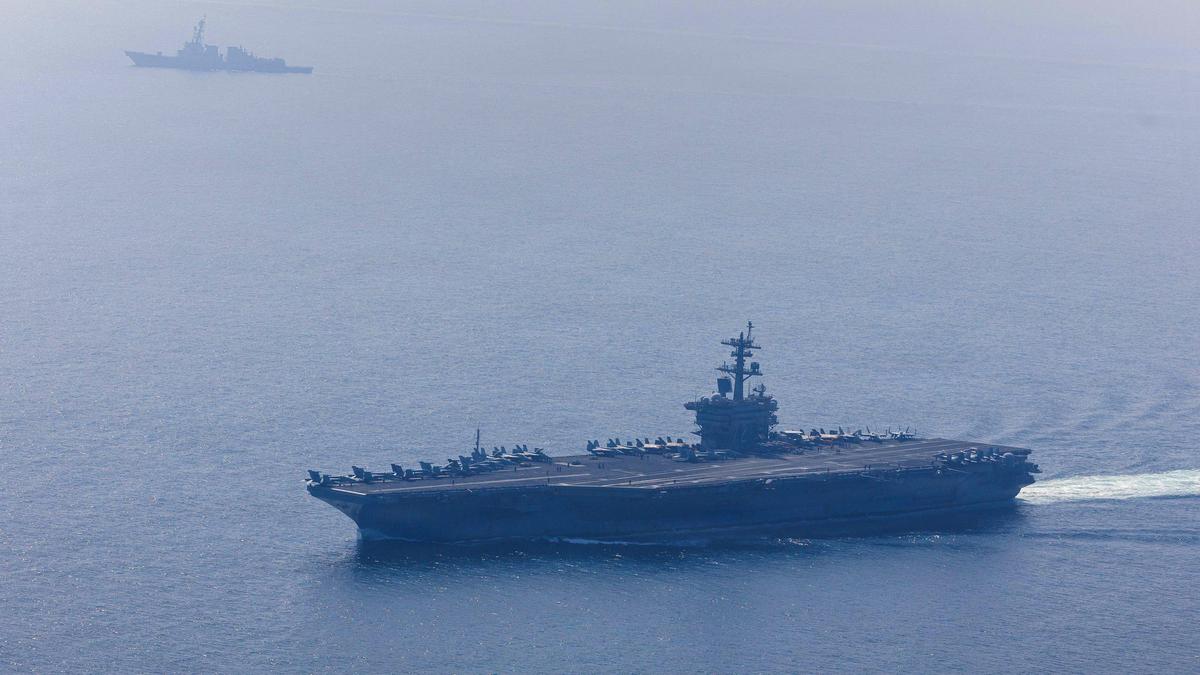
U.S. Strikes Botswana-Flagged Tanker in International Waters; Iran Blockade in Effect
A U.S. aircraft fired an AGM-114 Hellfire missile into the engine room of the M/T Lexie on Tuesday, disabling the unladen vessel as it headed toward Kharg Island. The strike followed repeated ignored warnings over 24 hours.
 news.sky.com
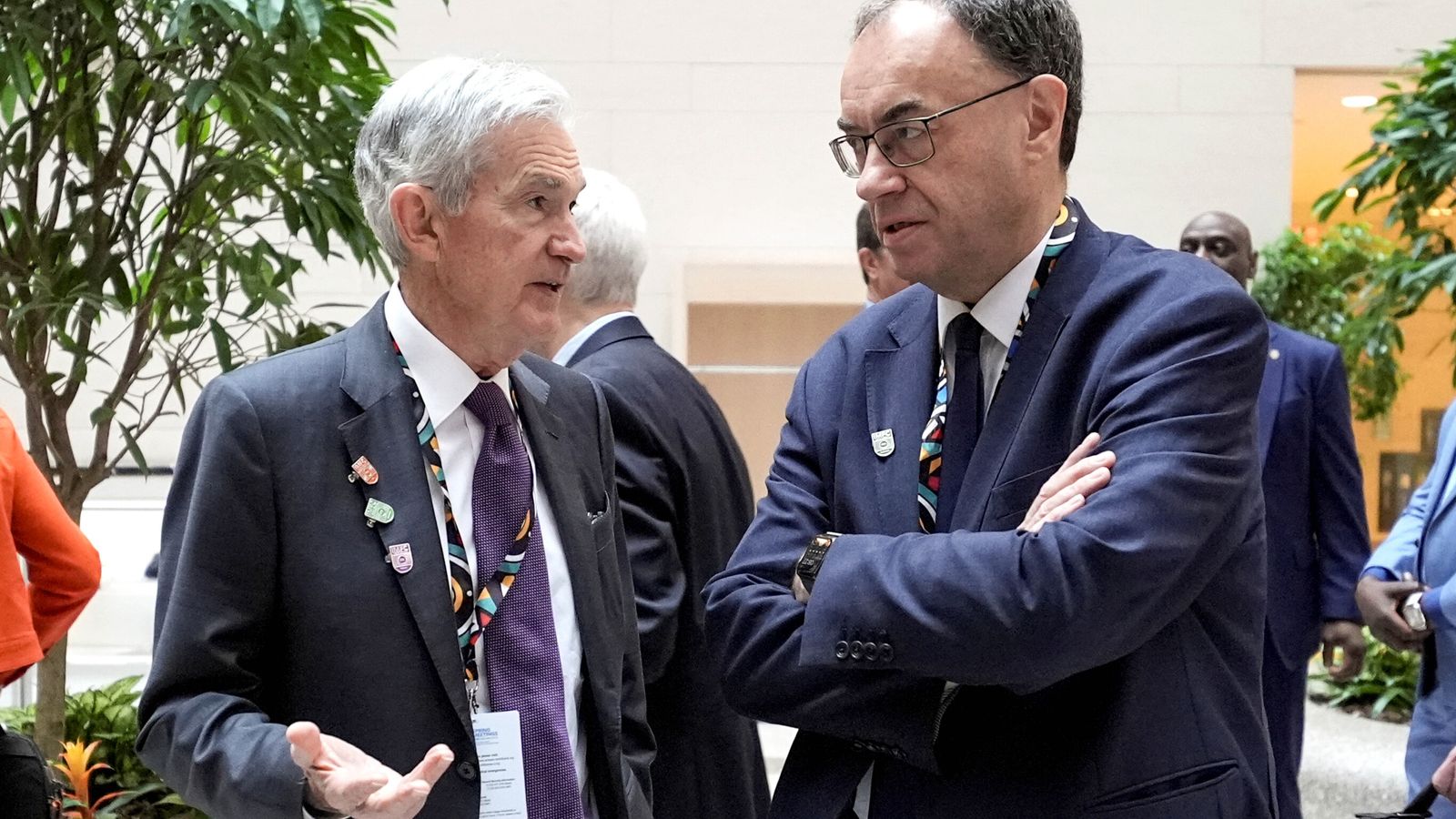
Fed Chairman Names Two Outside Advisers During Transition
Federal Reserve Chairman Kevin Warsh appointed two interim advisers shortly after taking the post. One previously contributed to a conservative plan calling for major changes at the central bank.
 al-monitor.com
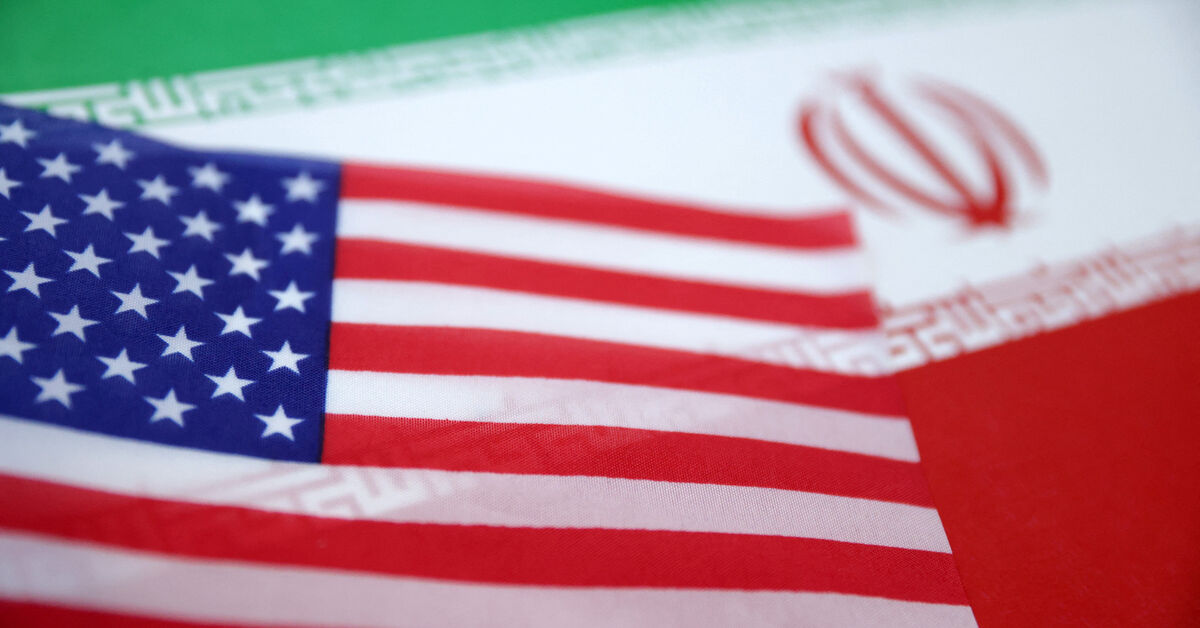
U.S. Sanctions Four Iranian Crypto Exchanges, Including Nobitex
U.S. officials imposed sanctions on Iran's largest cryptocurrency exchange Nobitex and three unnamed additional platforms. The measures bar the exchanges from the U.S. financial system and prohibit American persons from dealing with them.