Virginia Joins Interstate Compact for National Popular Vote in Presidential Elections
The governor of Virginia signed legislation to join the National Popular Vote interstate compact. The compact commits participating states to award their electoral votes to the candidate who wins the national popular vote. All states considered Democratic-leaning have now joined the compact, according to the Washington Examiner.
 truthout.org
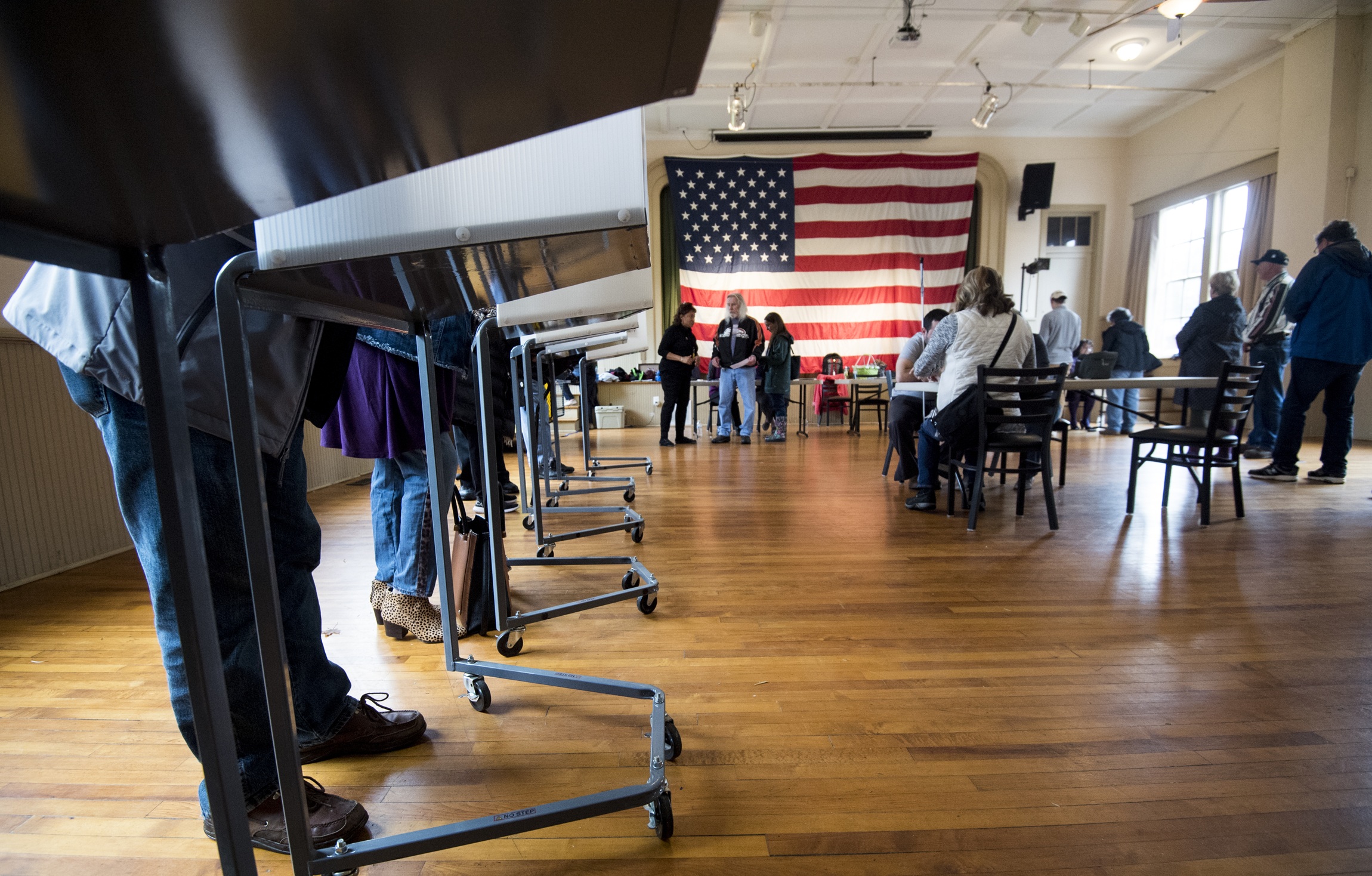
The governor of Virginia has signed legislation enrolling the state in the National Popular Vote interstate compact. This action advances an effort to allocate electoral votes based on the nationwide popular vote rather than state-by-state results. The compact is designed to take effect once states controlling at least 270 electoral votes participate, which is the number required to win the presidency.
Under the agreement, member states would assign their electors to the candidate receiving the most votes nationally, regardless of the outcome within their own state. The initiative seeks to ensure the presidential candidate with the most popular votes nationwide wins the election.
Constitution establishes the Electoral College system, where each state receives electors equal to its congressional representation. States determine how to select these electors, with most awarding them on a winner-take-all basis statewide, except for Maine and Nebraska, which allocate by congressional district.
This system requires candidates to build coalitions across multiple states to secure a majority of electoral votes. Examples from past elections illustrate this process. In 1992, a candidate won with 43% of the popular vote by securing 32 states. In 2016, another candidate won with nearly 46% of the popular vote by winning 30 states.
The compact has faced criticism for potentially bypassing constitutional requirements. The Constitution prohibits states from entering agreements without congressional consent, though supporters argue prior case law allows it. Differences in state election rules, such as ballot access and voting methods, could raise fairness issues under Supreme Court precedents.
Additionally, the Electoral College was designed to balance power among states, rejecting a direct national popular vote to prevent dominance by larger states and cities. State constitutions may also impose residency requirements that conflict with considering out-of-state votes.
Courts may ultimately determine its validity if it reaches the threshold to activate.
Key Facts
Story Timeline
5 events- Recent
Virginia governor signed legislation joining the National Popular Vote interstate compact.
1 sourceWashington Examiner - Ongoing
All blue states have joined the compact aiming to base electoral votes on national popular vote.
1 sourceWashington Examiner - 2016
A candidate won the presidency with nearly 46% of the popular vote by securing 30 states.
1 sourceWashington Examiner - 1992
A candidate won the presidency with 43% of the popular vote by winning 32 states.
1 sourceWashington Examiner - 1787
U.S. Founders rejected a direct national election and established the Electoral College system.
1 sourceWashington Examiner
Potential Impact
- 01
If activated, the compact could change how presidential elections are decided by prioritizing national popular vote.
- 02
Legal challenges may arise, potentially leading to Supreme Court review of the compact's validity.
- 03
Red and purple states may continue to reject the compact, maintaining the current Electoral College system.
- 04
Candidates might adjust strategies to focus more on national rather than state-specific coalitions.
- 05
Future elections could face disputes over vote counting rules across states.
Transparency Panel
Related Stories
 BBC News
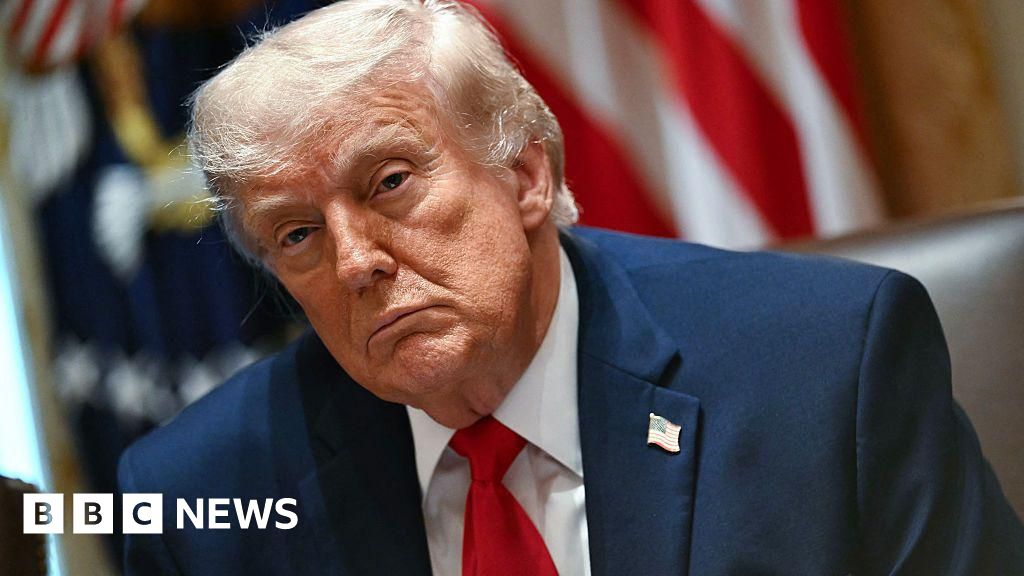
Trump Meets Advisers to Decide on Iran Ceasefire Extension
President Trump said he is holding a Situation Room meeting to make a final decision on a possible deal with Iran. The proposed agreement would extend the ceasefire by 60 days and reopen the Strait of Hormuz.
 Newsweek
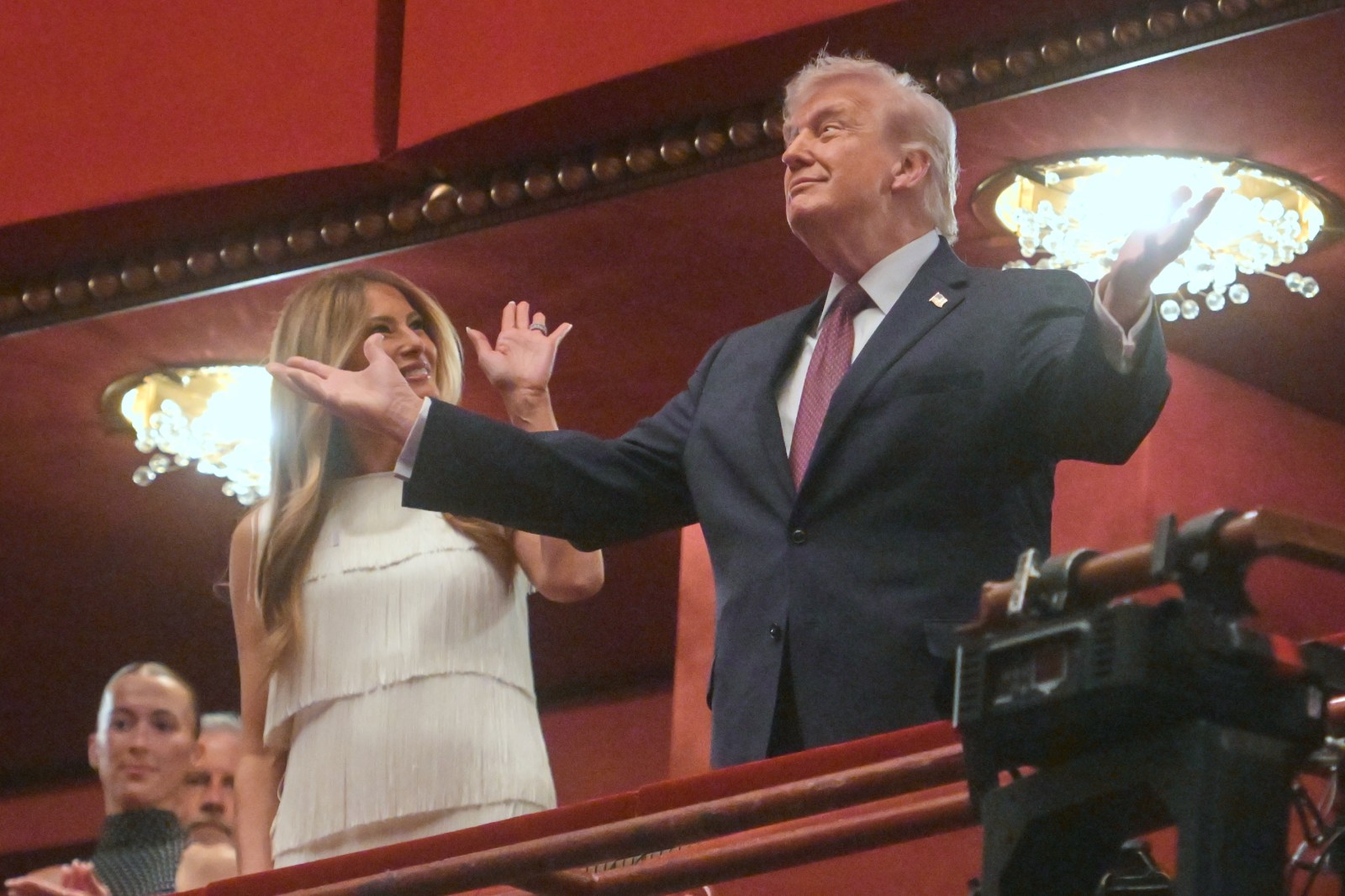
Federal Judge Orders Trump Name Removed From Kennedy Center
A federal judge ruled Friday that the Kennedy Center board violated the law by adding President Donald Trump's name to the venue and ordered the name removed within two weeks. The same ruling blocked a planned two-year closure for renovations.
 Le Monde
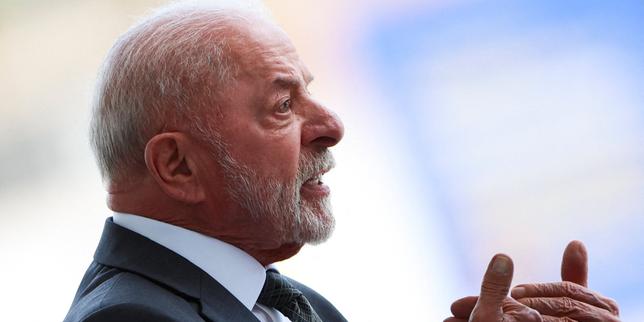
Brazil's Lula Criticizes U.S. Terror Designation of Crime Groups
Brazilian President Luiz Inacio Lula da Silva rejected the U.S. decision to label two major crime organizations as terrorist groups. He called the move a potential setback in fighting crime and warned against interference in Brazilian sovereignty.