Whistleblower Book Alleges Trump Appointees Blocked Ebola Response Measures While Dismantling USAID in 2025
Nicholas Enrich, dismissed after leaking memos, details how political appointees blocked Ebola measures in Uganda in March 2025. A new outbreak now spreads in the Democratic Republic of the Congo.
 thehindu.com
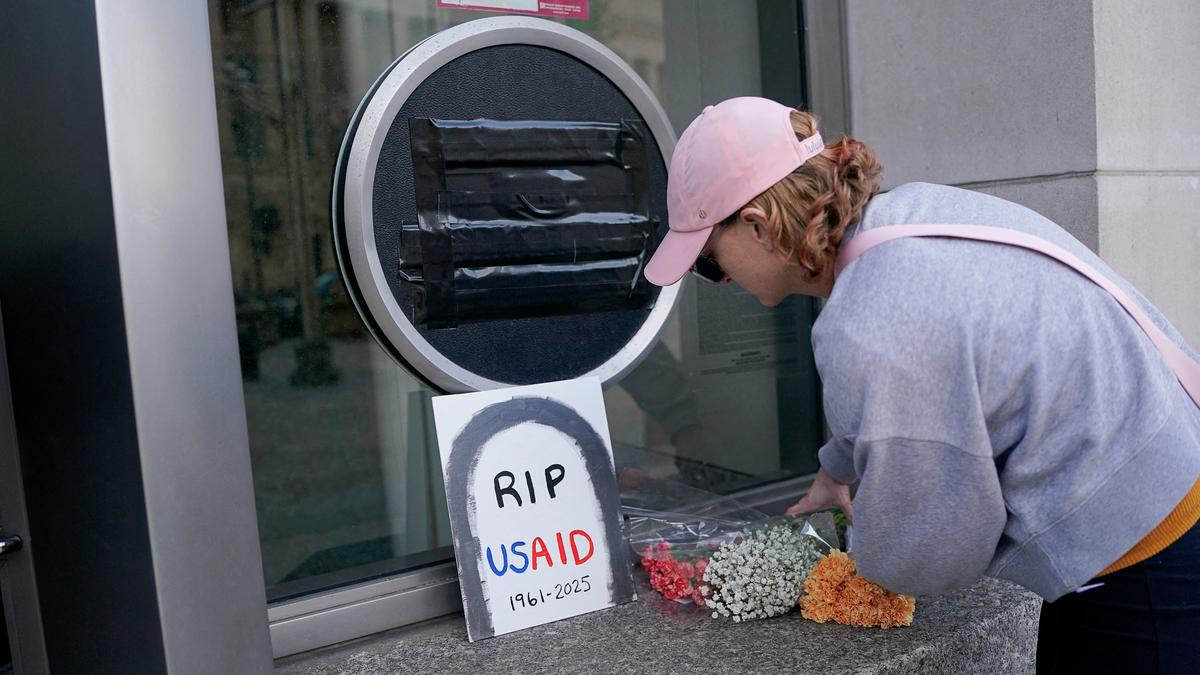
U.S. official for global health at USAID in March 2025, says political appointees blocked screening of airline passengers, barred contact with the CDC and the World Health Organization, and refused to move pre-positioned protective equipment from a Kenya warehouse during an Ebola outbreak in Uganda.
Enrich states that one appointee heading the Bureau for Humanitarian Assistance told him Ebola was a scam, and that he removed Ebola-related activities from approval lists to avoid outright rejection.
He was put on leave immediately after leaking internal memos about plans to shut down the agency and was later dismissed. A year later, the worst Ebola outbreak in more than a decade is spreading in the Democratic Republic of the Congo. Enrich says the global health security systems built after the 2014 outbreak, including early detection networks funded with billions of dollars, were dismantled in 2025.
Enrich worked at USAID under four administrations and described the agency as operating on less than 1 percent of the federal budget while saving 92 million lives over 20 years. He said he made staff lists knowing some employees would be terminated and now regrets not refusing certain directives earlier.
In his book Into the Woodchipper: A Whistleblower's Account of How the Trump Administration Shredded USAID, published by Simon & Schuster, Enrich writes that the agency was eliminated by officials who did not understand its programs.
He argues the stated reasons of waste and fraud were not the actual drivers. Enrich said the loss of USAID's Disaster Assistance Response Teams and coordination role has left the State Department improvising systems during the current outbreak in Congo. He expressed concern that the United States is less prepared for future infectious disease threats than it was months earlier.