Zimbabwe Government Proposes Two-Year Extension of Presidential, Parliamentary Terms to 2030, Citing Election Fatigue and Development Needs
Justice Minister Ziyambi Ziyambi introduced Constitutional Amendment Bill No. 3 on 4 June 2026, seeking to delay the next elections from 2028 to 2030. The bill would extend the terms of President Emmerson Mnangagwa, Parliament, and local authorities.
 news.google.com
Justice, Legal and Parliamentary Affairs Minister Ziyambi Ziyambi presented Constitutional Amendment Bill No. 3 for its Second Reading in the National Assembly on 4 June 2026. The bill proposes extending the terms of President Emmerson Mnangagwa, Parliament, and local authorities by two years, which would postpone the next harmonised elections from 2028 to 2030.
Ziyambi stated that each electoral cycle has made problems worse. He said every presidential contest since the turn of the century has been marred by allegations of violence, rigging, and opacity. These issues have eroded public trust and the legitimacy of the results, he added, noting that the characterisation is documented in observer reports.
The government has, for the first time, openly acknowledged that elections have repeatedly been dogged by allegations of rigging and violence. Both the government and the ruling ZANU PF party have over the years consistently rejected opposition claims of electoral manipulation and criticism from local and international observer missions.
ZANU PF has argued that frequent election cycles divert attention and resources away from development.
Ziyambi argued that Zimbabwe's electoral cycles have become increasingly divisive and disruptive to national development. Opponents contend that the bill is an attempt to deny Zimbabweans their constitutional right to regularly elect leaders. Nelson Chamisa said Ziyambi's remarks vindicated opposition parties that have long challenged the credibility of Zimbabwe's elections.
In 2018, Chamisa contested Mnangagwa's presidential victory at the Constitutional Court, which upheld the election result. "If you ever find yourself doubting that the people of Zimbabwe decisively defeated ZANU-PF, listen carefully to Ziyambi's CAB3 Second Reading address to Parliament," Chamisa said. "His words speak for themselves.
We defeated them comprehensively and conclusively. And we will defeat them again anytime and anyhow.
Transparency
Story details
Related Stories
 The Hill
Brown Leads Husted 53-45 in Ohio Senate Race, Fox News Poll Finds
A Fox News survey of 1,015 Ohio registered voters found 53 percent support for the Democratic Senate nominee and 45 percent for the Republican nominee. President Trump's favorability in the state stood at 42 percent.
 ABC News
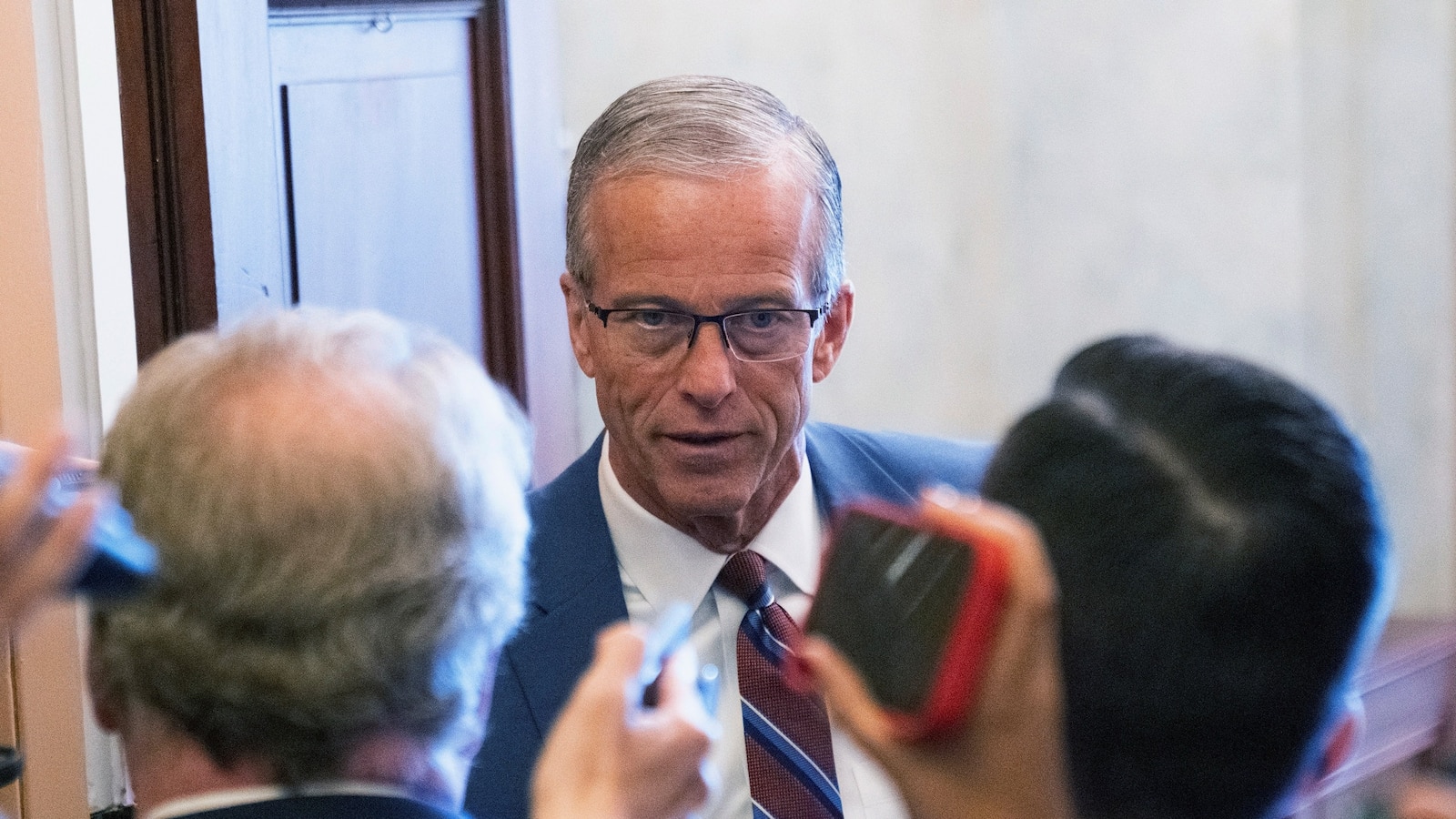
Senate Republicans Advance $70 Billion Border Security Package
The Senate cleared a procedural vote Wednesday for a nearly $70 billion border and ICE funding measure. Amendments targeting a now-defunct $2 billion Justice Department fund could alter the bill's path.
 arstechnica.com
Supreme Court Allows FCC In-House Fines Against Wireless Carriers, Rejects Jury-Trial Challenge in 8-1 Ruling
The U.S. Supreme Court ruled 8-1 that the FCC can continue issuing initial penalties through internal proceedings. The decision resolves a split between appeals courts over AT&T and Verizon challenges.