Topic
Neanderthals
6 stories related to this topic, newest first.
 anthropology.net
world8 days ago
Neanderthals and Homo Sapiens Shared Tools and Shells at Turkish Cave
Cnn reported that both species occupied Üçağızlı II cave in southern Turkey at different times and produced similar Mousterian tools while hunting the same animals and collecting Columbella rustica shells. The research was published Monday in PNAS based on fossils and sediment la…
 newscientist.com
science58 days ago
Neanderthal Kneeprint Found in Clay at Bruniquel Cave
Researchers identified a clay impression inside Bruniquel cave in south-west France that could be a kneeprint left by a Neanderthal approximately 175,000 years ago. The print was preserved under a layer of calcium carbonate near circular structures built from broken stalagmites.
 nypost.com
world63 days ago
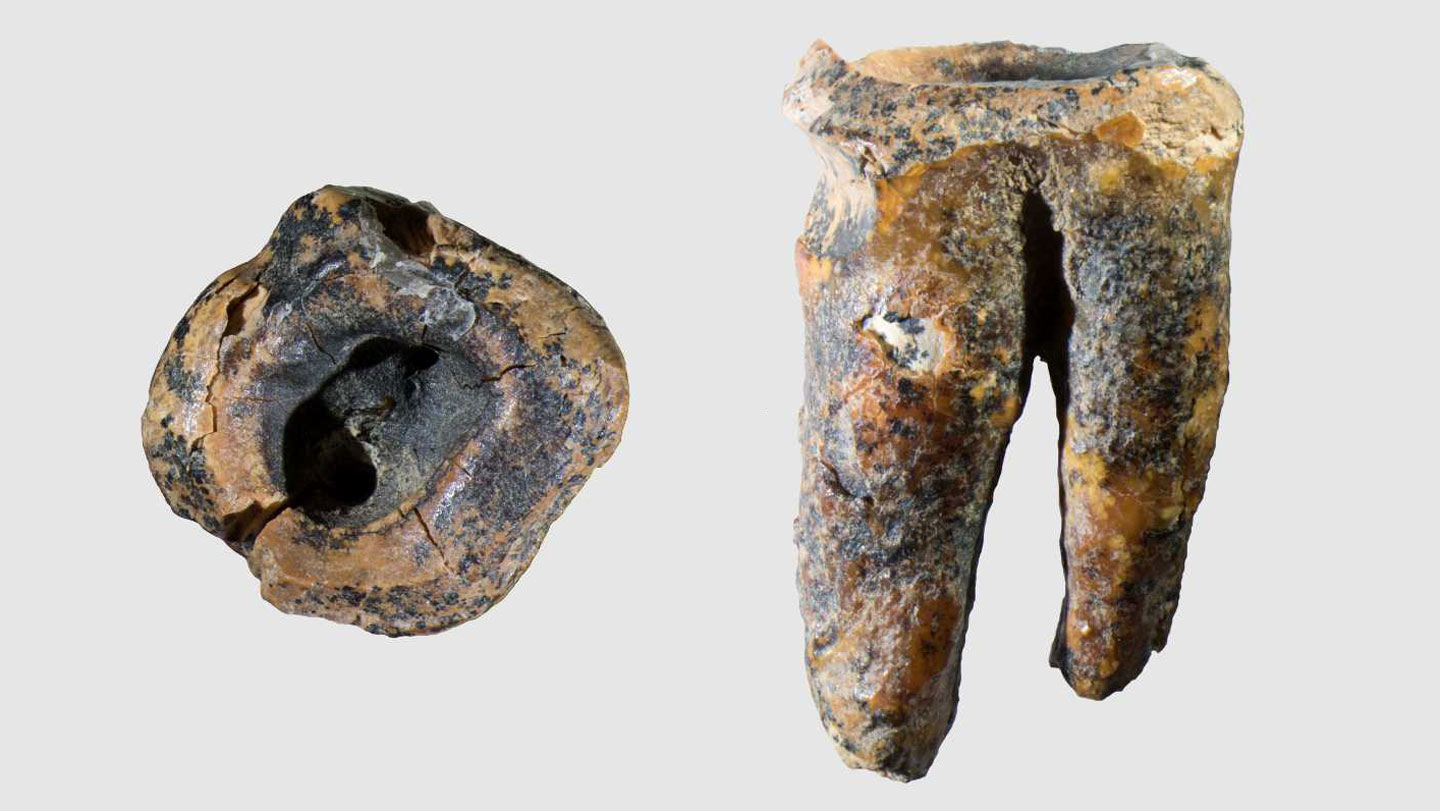
59,000-Year-Old Neanderthal Molar Shows Evidence of Stone Drill Dental Treatment
A molar discovered in Chagyrskaya Cave, Siberia, bears marks of intentional drilling to treat severe caries, according to a study published in PLOS One. The find pushes back the earliest known dental intervention by more than 40,000 years and is the first such evidence outside Ho…
 Science News
science63 days ago
59,000-Year-Old Neanderthal Molar Shows Evidence of Possible Caries Manipulation
Researchers identified deliberate drilling to treat severe caries in a Neanderthal lower molar found in Chagyrskaya Cave, Russia. The find, published Wednesday in PLOS ONE, pushes back the earliest evidence of dentistry by more than 40,000 years and is the first such case identif…
New Scientistscience67 days ago
Kneeprint Found Near 175,000-Year-Old Stalagmite Structures in Bruniquel Cave
A possible kneeprint in clay preserved by calcium carbonate offers new clues about Neanderthals who built mysterious structures deep inside a French cave. Sophie Verheyden presented the findings on 4 May at the European Geosciences Union meeting in Vienna. The discovery comes as…
IN
 archaeology.org
world79 days ago
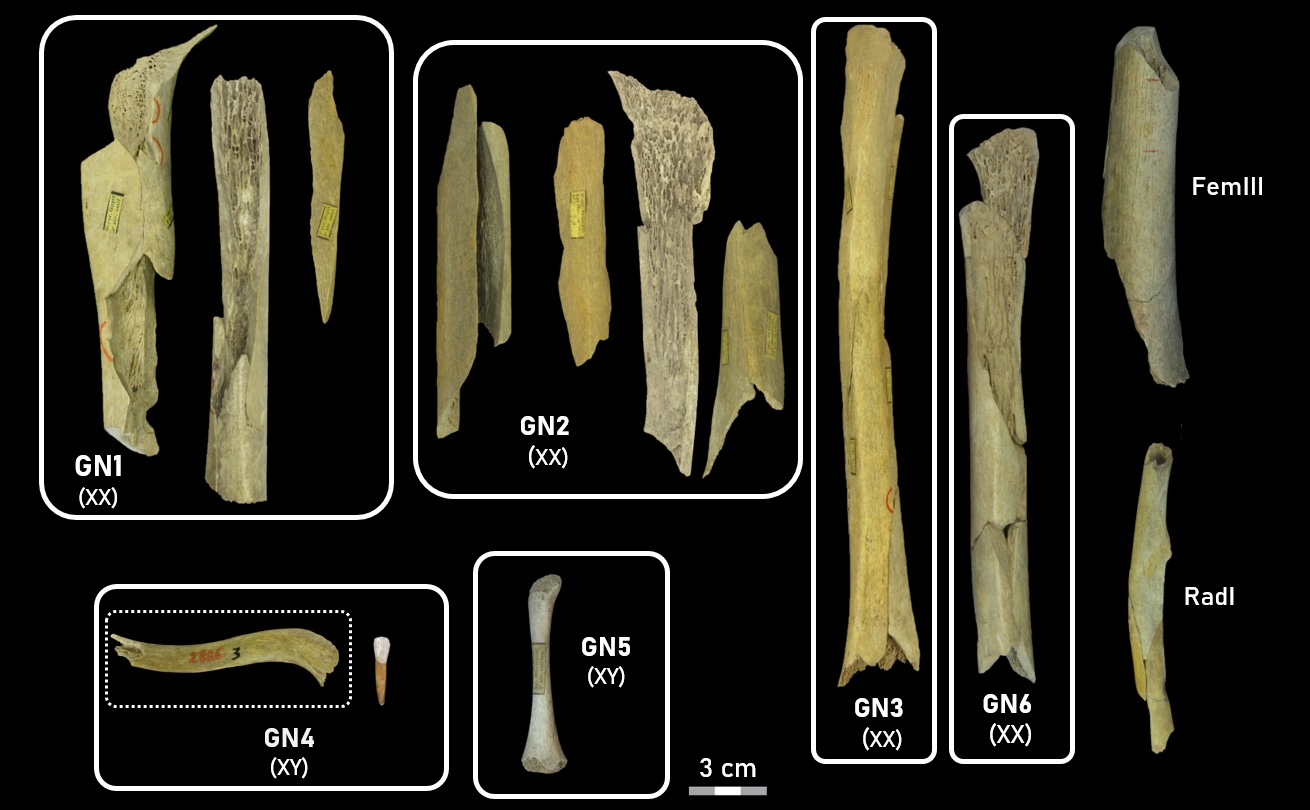
Study Finds Neanderthal Children Grew Faster Than Modern Humans
A recent study published in Current Biology indicates that Neanderthal children developed at a faster rate than modern humans. The research is based on remains from northern Israel, dated between 51,000 and 56,000 years ago. The findings suggest this growth pattern may relate to…
JE