Topic
evolution
15 stories related to this topic, newest first.
 South China Morning Post
world6 hrs ago
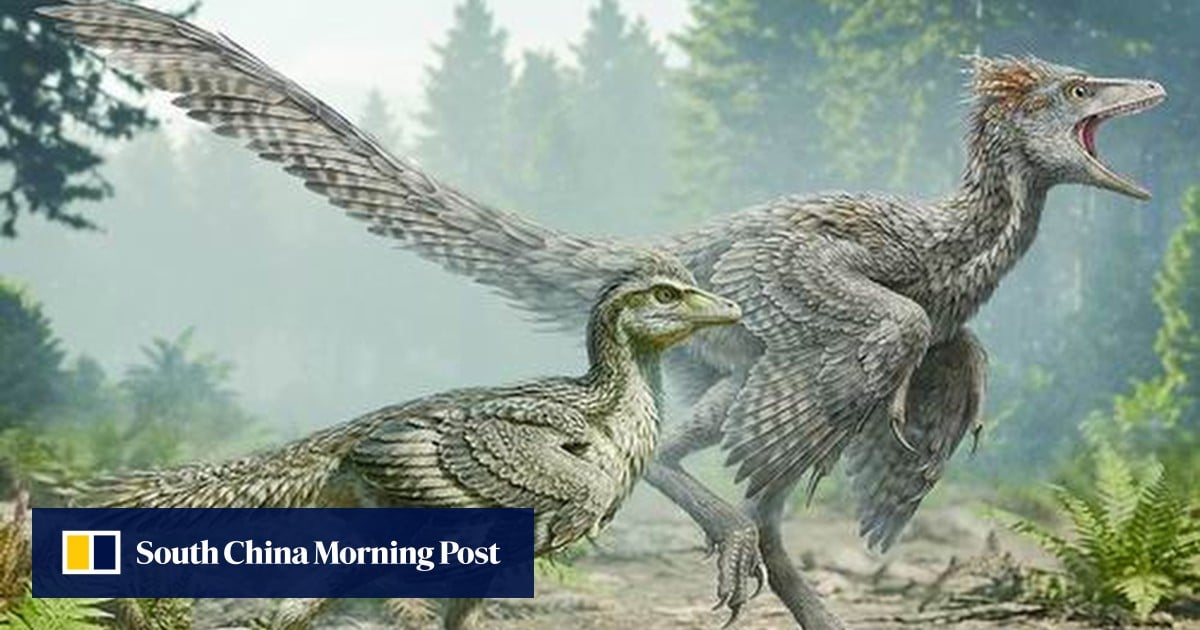
150-Million-Year-Old Chinese Fossil Shows Gradual Bird Tail Evolution
South China Morning Post reported that a Jurassic fossil from China indicates modern birds developed short tails through incremental changes. The specimen was detailed in a July 1 paper in Science Advances by researchers from the Chinese Academy of Sciences and the Fujian Provinc…
 New Scientist
science4 days ago
555-Million-Year-Old Fossils Show Earliest Evidence of Animal Handedness
@NewScientist reported that analysis of Spriggina floundersi specimens reveals a statistical preference for rightward bending. The 555-million-year-old fossils predate the Cambrian Period and indicate early nervous system asymmetry.
 theconversation.com
world8 days ago
Study of Ancient Fossils Finds 2-to-1 Ratio of Right- to Left-Curving Spriggina
Researchers analyzed more than 100 Spriggina floundersi specimens and concluded the 550-million-year-old animal favored rightward bends. The findings were published Thursday in Scientific Reports.
 New Scientist
science12 days ago
27 High-Quality Neanderthal Genomes Show Large, Genetically Healthy Groups in Europe 45,000 Years Ago
@ScienceMagazine reported that analysis of 27 high-quality genomes from Western Europe found Neanderthals were genetically healthy and lived in large, connected groups near the end of their existence. The findings challenge the hypothesis that inbreeding in isolated populations c…
SC
 forbes.com
science18 days ago
300-Million-Year-Old Fossils Show Early Tetrapod Juveniles Lacked External Gills
@NewScientist reported that researchers examined baby embolomere fossils from Illinois indicating direct development from hatching to adulthood. The study challenges prior assumptions about metamorphosis in the water-to-land transition for early tetrapods.
 New York Post
world21 days ago
Study finds similar laugh rhythms in humans and great apes
Researchers compared decades-old ape recordings with new child laughter samples and found matching timing patterns. The results point to a shared trait that may date back 15 million years.
 Science News
science21 days ago
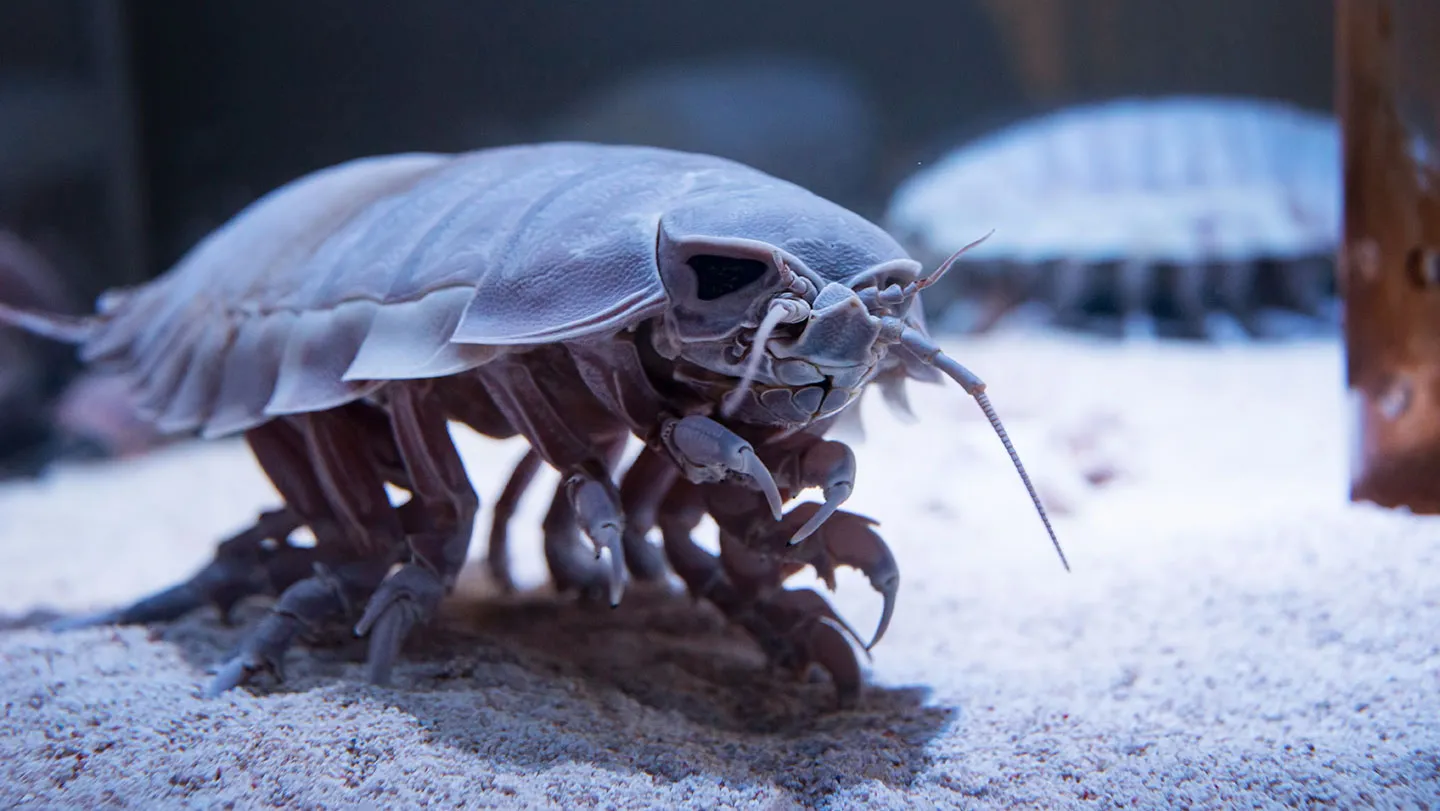
Giant Isopods Carry Bacterial Gene That Aids Long Starvation Survival
A study published June 5 in Cell shows that deep-sea isopods of the genus Bathynomus acquired the ND1 gene from bacteria more than 16 million years ago. The gene appears to lower cellular energy use and raised starvation survival by 37 percent in engineered fish tested in cold co…
 Forbes
world22 days ago
Study: Shared laughter rhythm in apes, humans dates to 15 million years ago
A University of Warwick analysis of 140 laughter sequences shows humans and four great ape species share the same rhythmic pattern. The research, published June 25, 2026, indicates the foundation for vocal control evolved gradually rather than abruptly.
 New Scientist
science29 days ago
Fossils of Two 2-Centimeter Baby Embolomeres Show No Tadpole-Like Stage
Researchers at the Field Museum examined baby embolomere fossils from Mazon Creek that preserved soft tissue and yolk sacs, indicating direct development without metamorphosis.
 bbc.com
science46 days ago
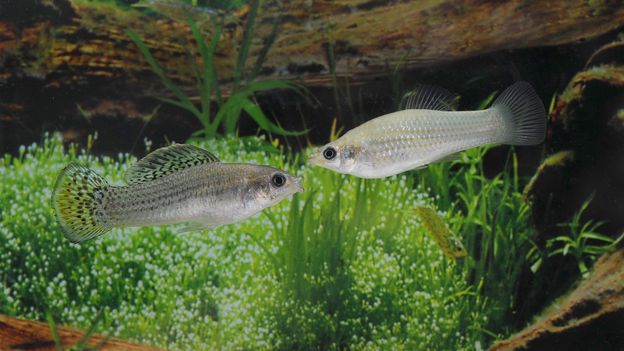
Gene Conversion Helps Amazon Molly Persist Asexually for ~100,000 Years, Study Finds
A new study shows the all-female Amazon molly uses frequent gene conversion to limit harmful mutations, offering an alternative to sexual reproduction for maintaining genome health.
 New Scientist
science52 days ago
Book Argues Symbiosis Key to Understanding Life's Origins
Rowan Hooper's new book states that symbiosis has been overlooked in explanations of biology. The work links symbiosis to the emergence of complex life and current research on life's beginnings at hydrothermal vents.
 Forbes
science55 days ago
Human Eyes Block Ultraviolet Light Through Lens Absorption
Humans detect less than 1 percent of the electromagnetic spectrum because the eye's lens absorbs ultraviolet wavelengths. A 2011 study linked UV exposure to lens damage and cataract risk. Individuals without a natural lens can sometimes perceive near-UV light.
 Forbes
finance56 days ago
Genetic Study Questions Traditional Shark Family Tree
A new analysis of cartilaginous fish genomes found conflicting signals on whether frilled and cow sharks belong inside or outside the main shark group. The preprint posted to bioRxiv examined 48 species and produced different trees depending on the genomic regions analyzed.
 Usa Today
politics57 days ago
Study Links Human Right-Handedness to Bipedalism and Brain Size
Researchers examined handedness across 41 primate species and found that upright walking and larger brains distinguish human right-hand dominance from patterns seen in other primates.
 Substrate placeholder — needs review
science101 days ago
500-Million-Year-Old Fossil Reveals Pincers Potentially Linked to Spider Origins
A fossil from 500 million years ago contains pincers on a tiny organism, prompting scientists to reconsider the evolutionary origins of spiders. The discovery, detailed in a recent study, suggests early arthropods may have possessed chelicerae-like structures. Researchers indicat…