Scientific Assessment of Health Benefits from Ancient Grains Like Quinoa and Spelt
Ancient grains such as quinoa and spelt have gained attention for potential health benefits. Scientists report that evidence supporting these benefits is not straightforward. This article examines available research on their nutritional value compared to modern grains.
 bbc.com
Ancient grains, including quinoa and spelt, are varieties that have remained largely unchanged for thousands of years. These grains are often promoted for their nutritional profiles. However, scientific evaluations indicate that the health advantages are not as definitive as commonly suggested.
Studies have compared these grains to refined grains like white rice or modern wheat products.
Nutritional Comparisons
Evidence from Studies
Factors like processing methods and individual health conditions influence results more than grain type alone. Experts emphasize balanced diets over relying on specific grains.
Ancient grains can be part of healthy eating patterns, but claims of exceptional benefits require more rigorous trials. Consumers should consider accessibility and cost, as ancient grains are often more expensive than common alternatives.
Broader Dietary Context
Future research could clarify any subtle differences through larger clinical trials. The interest in ancient grains reflects growing awareness of diverse food sources.
While not a panacea, they contribute to nutritional goals when integrated thoughtfully.
Story Timeline
1 event- 2026-04-12
Publication of article assessing scientific evidence on ancient grains' health benefits.
1 sourcebbc.com
Potential Impact
- 01
Consumers may adjust grain choices based on clarified nutritional evidence.
- 02
Further studies on grain varieties may receive increased funding.
- 03
Food industry could see shifts in marketing for ancient grain products.
Transparency Panel
Related Stories
 NASA Johnson Space Center / Wikimedia (Public domain)
NASA's Artemis II Completes First Manned Moon Mission Since 1972, Sets Distance Record
NASA's Artemis II mission completed a flight around the moon and splashed down in the Pacific Ocean on Saturday. The mission marks the first manned moon mission since 1972 and set a record for the furthest humans have travelled into space at 252,756 miles (406,771km). Meanwhile,…
 Science News
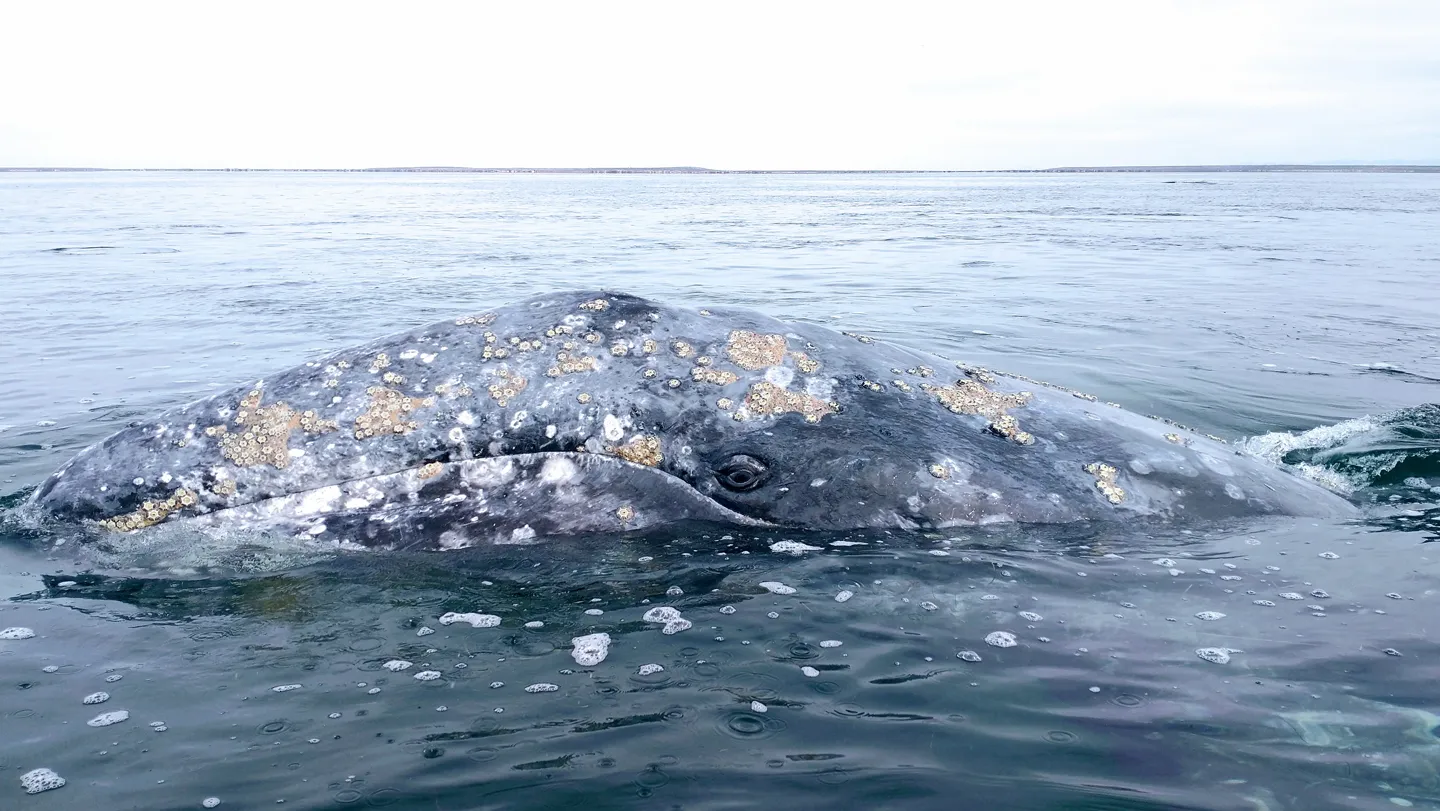
Nearly 1 in 5 Gray Whales Entering San Francisco Bay Die There, Study Finds
Researchers report that approximately 18 percent of photo-identified gray whales visiting San Francisco Bay from 2018 to 2025 died after entering the area. The deaths, often from vessel strikes, coincide with a population decline linked to reduced Arctic food availability. The fi…
 Stat
StatSpyre Therapeutics' SPY001 Drug Meets Primary Goal in Phase 2 Ulcerative Colitis Trial
Spyre Therapeutics announced positive results from the first batch of data in its Phase 2 SKYLINE study for SPY001, an experimental treatment for ulcerative colitis. The drug achieved a 9.2-point decrease in disease activity and induced remission in about 40% of participants afte…