Iodine Deficiency Increases in the UK, US and Australia
Reports indicate rising iodine deficiency among populations in the UK, US and Australia. This condition previously contributed to declines in IQ, height and thyroid health about a century ago. Current trends in salt consumption may contribute to the increase.
 U.S. Army photo by Spc. Thomas Dixon / Wikimedia (Public domain)
Iodine deficiency has increased among people in the UK, the US and Australia, according to reports. Iodine is essential for thyroid function and overall health. The rise follows historical patterns observed a century ago.
A century ago, iodine deficiency led to reductions in IQ scores, average height and thyroid health in affected populations. These effects were documented in various studies from that period. Public health measures, such as iodized salt, were introduced to address the issue.
Recent data shows a resurgence of deficiency in the mentioned countries. This may relate to changes in dietary habits, including reduced use of iodized table salt. People increasingly choose non-iodized specialty salts or reduce salt intake overall.
Historical Context In the early 20th century, iodine deficiency caused widespread health problems, including goiter and developmental issues.
Governments in several countries mandated iodization of salt to prevent these outcomes. This intervention significantly improved population health metrics over decades. The current increase could reverse some of those gains.
Monitoring by health authorities is necessary to assess the extent of the problem. Factors like vegan diets or low-salt recommendations may also play a role in iodine intake levels.
Potential Causes and Responses The shift toward fancy or gourmet salts, which often lack iodine fortification, is one reported factor.
Processed foods, a common source of iodized salt, are consumed less in some demographics. Health organizations recommend ensuring adequate iodine through diet or supplements. Affected groups include pregnant women and children, who require higher iodine levels for development.
Long-term deficiency can impact cognitive function and growth. Further research and public awareness campaigns are underway to address the trend.
Story Timeline
2 events- Recent years
Iodine deficiency increases among populations in the UK, US and Australia.
1 source@NewScientist - Early 20th century
Iodine deficiency causes declines in IQ, height and thyroid health.
1 source@NewScientist
Potential Impact
- 01
Potential declines in cognitive development among children.
- 02
Increased risk of thyroid disorders in affected populations.
- 03
Dietary guidelines could adjust to address iodine intake.
- 04
Public health campaigns may promote iodized salt use.
Transparency Panel
Related Stories
 NASA Johnson Space Center / Wikimedia (Public domain)
NASA's Artemis II Completes First Manned Moon Mission Since 1972, Sets Distance Record
NASA's Artemis II mission completed a flight around the moon and splashed down in the Pacific Ocean on Saturday. The mission marks the first manned moon mission since 1972 and set a record for the furthest humans have travelled into space at 252,756 miles (406,771km). Meanwhile,…
 Science News
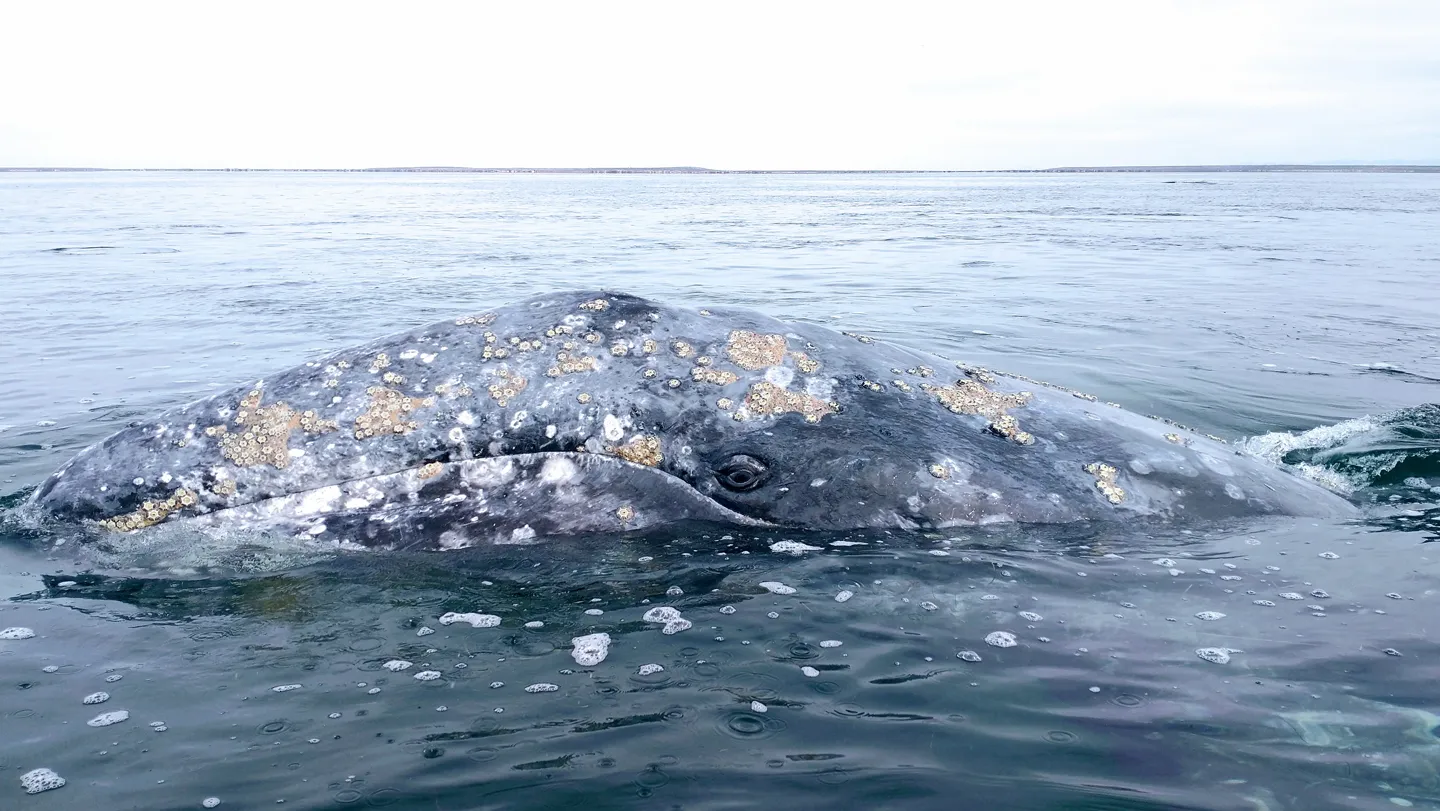
Nearly 1 in 5 Gray Whales Entering San Francisco Bay Die There, Study Finds
Researchers report that approximately 18 percent of photo-identified gray whales visiting San Francisco Bay from 2018 to 2025 died after entering the area. The deaths, often from vessel strikes, coincide with a population decline linked to reduced Arctic food availability. The fi…
 Stat
StatSpyre Therapeutics' SPY001 Drug Meets Primary Goal in Phase 2 Ulcerative Colitis Trial
Spyre Therapeutics announced positive results from the first batch of data in its Phase 2 SKYLINE study for SPY001, an experimental treatment for ulcerative colitis. The drug achieved a 9.2-point decrease in disease activity and induced remission in about 40% of participants afte…