Tiny Fossils Discovered in Solid Rock Show Thriving Ocean Life Before 445 Million-Year-Old Extinction
Tiny fossils hidden inside solid rock provide evidence of ancient plankton thriving in oceans just before the Late Ordovician extinction 445 million years ago. The discovery offers a glimpse into pre-extinction marine life. @NewScientist reported the findings.
 ecns.cn
Discovery of Tiny Fossils in Solid Rock Tiny fossils are hidden inside solid rock, according to @NewScientist.
These fossils represent ancient plankton that show life was thriving just before the Late Ordovician extinction. The extinction occurred 445 million years ago. The tiny fossils offer a glimpse of ocean life before the Late Ordovician extinction.
This evidence indicates robust marine ecosystems in the period leading up to the mass die-off.
Insights into Pre-Extinction Ocean Life The ancient plankton fossils demonstrate that ocean life was active and diverse immediately prior to the extinction event.
@NewScientist reported these details from the fossil analysis. The findings highlight the state of marine environments 445 million years ago. Such discoveries in solid rock preserve microscopic remains that would otherwise be lost.
The thriving plankton populations suggest stable conditions before the sudden changes associated with the Late Ordovician extinction.
Context of the Late Ordovician Extinction The Late Ordovician extinction, dated to 445 million years ago, marked a significant event in Earth's history.
Tiny fossils from this era provide direct evidence of the biological activity preceding it. @NewScientist detailed how these specimens reveal pre-extinction ocean dynamics. The presence of hidden fossils in solid rock underscores the challenges and successes in paleontological research.
These ancient plankton contribute to understanding the timeline of marine life resilience.
Story Timeline
3 events- 445 million years ago
Late Ordovician extinction occurred.
1 source@NewScientist - Pre-445 million years ago
Ancient plankton thrived in oceans, as shown by tiny fossils.
1 source@NewScientist - 2026-04-14
@NewScientist reported discovery of tiny fossils hidden in solid rock.
1 source@NewScientist
Potential Impact
- 01
Advances understanding of pre-extinction marine ecosystems through fossil evidence.
- 02
Highlights techniques for extracting microfossils from solid rock.
- 03
Informs paleontological models of Ordovician period biological activity.
- 04
Supports research into causes of ancient mass extinctions via plankton data.
Transparency Panel
Related Stories
 NASA Johnson Space Center / Wikimedia (Public domain)
NASA's Artemis II Completes First Manned Moon Mission Since 1972, Sets Distance Record
NASA's Artemis II mission completed a flight around the moon and splashed down in the Pacific Ocean on Saturday. The mission marks the first manned moon mission since 1972 and set a record for the furthest humans have travelled into space at 252,756 miles (406,771km). Meanwhile,…
 Science News
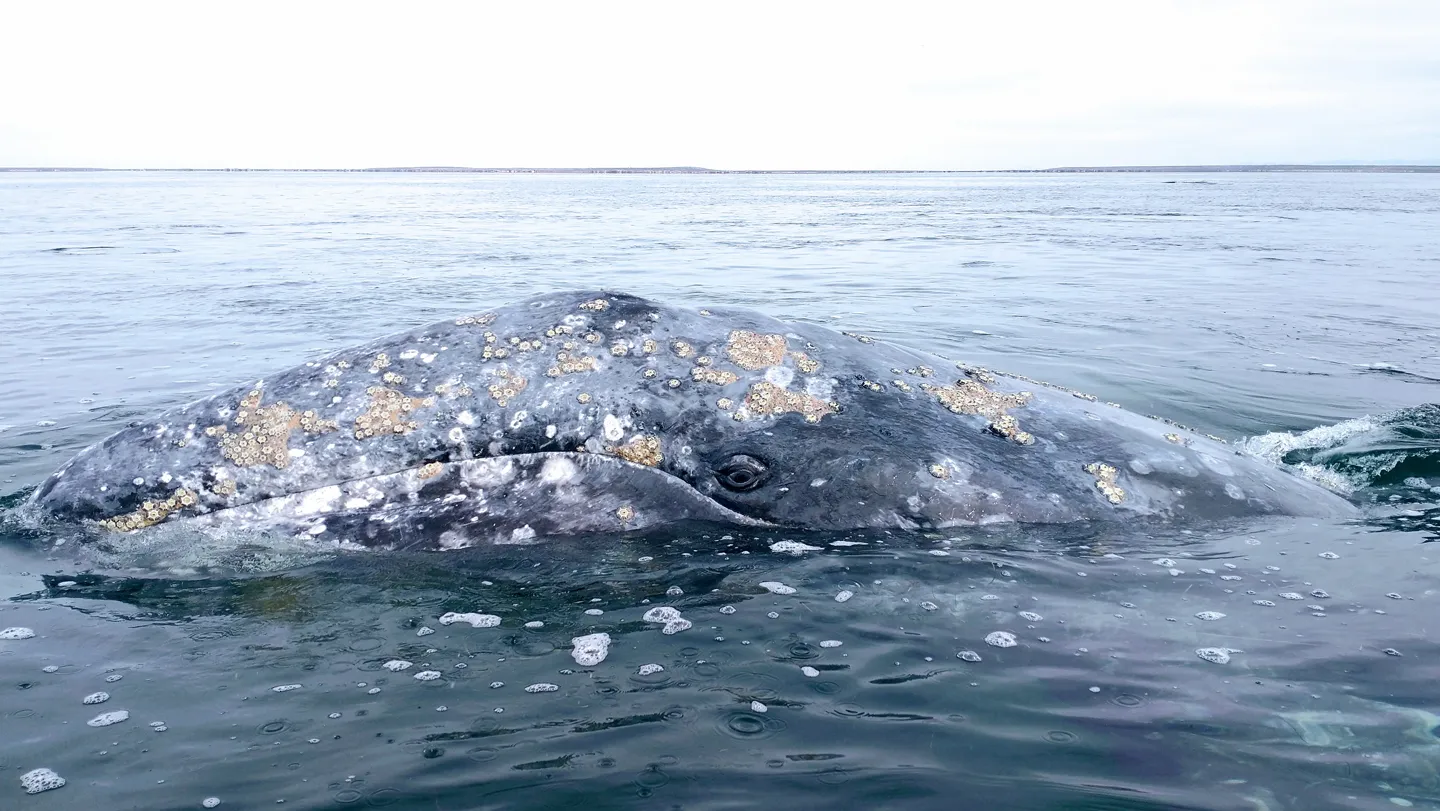
Nearly 1 in 5 Gray Whales Entering San Francisco Bay Die There, Study Finds
Researchers report that approximately 18 percent of photo-identified gray whales visiting San Francisco Bay from 2018 to 2025 died after entering the area. The deaths, often from vessel strikes, coincide with a population decline linked to reduced Arctic food availability. The fi…
 Stat
StatSpyre Therapeutics' SPY001 Drug Meets Primary Goal in Phase 2 Ulcerative Colitis Trial
Spyre Therapeutics announced positive results from the first batch of data in its Phase 2 SKYLINE study for SPY001, an experimental treatment for ulcerative colitis. The drug achieved a 9.2-point decrease in disease activity and induced remission in about 40% of participants afte…