Topic
fossils
33 stories related to this topic, newest first.
 Nbc News
world8 hrs ago
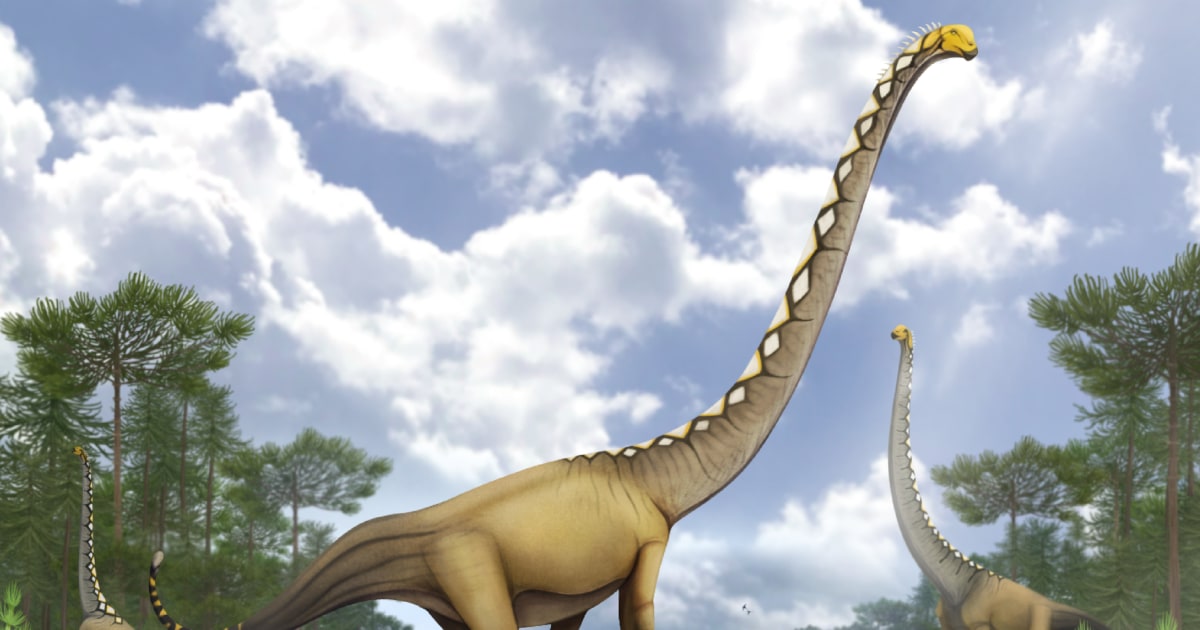
Study Identifies New Long-Necked Dinosaur Species in Thailand
A new dinosaur species with a neck the length of a school bus has been identified from fossils found in northeast Thailand. The animal is estimated to have lived about 130 million years ago.
 theconversation.com
science17 hrs ago
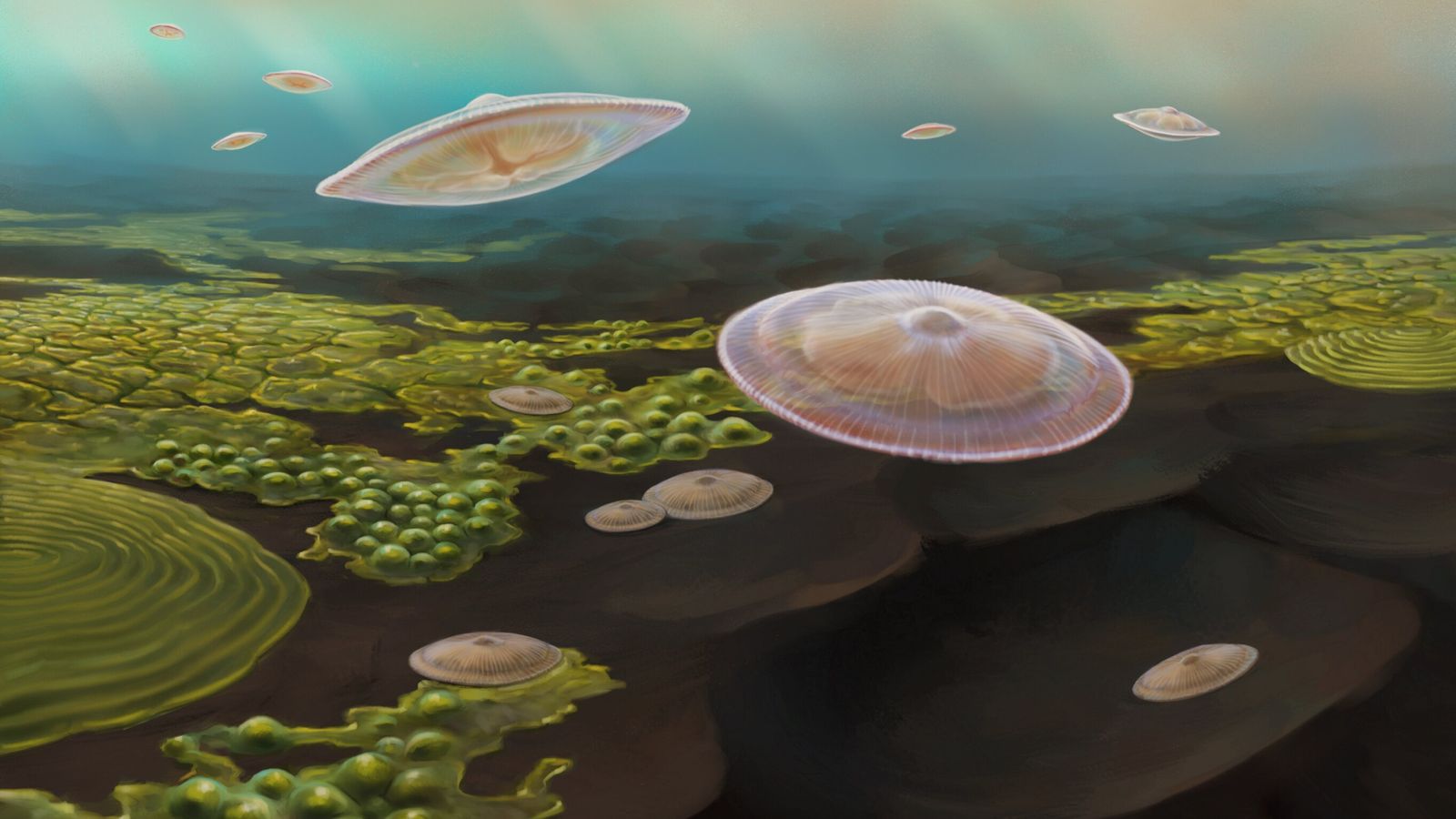
555-Million-Year-Old Fossils Show Earliest Animal Handedness
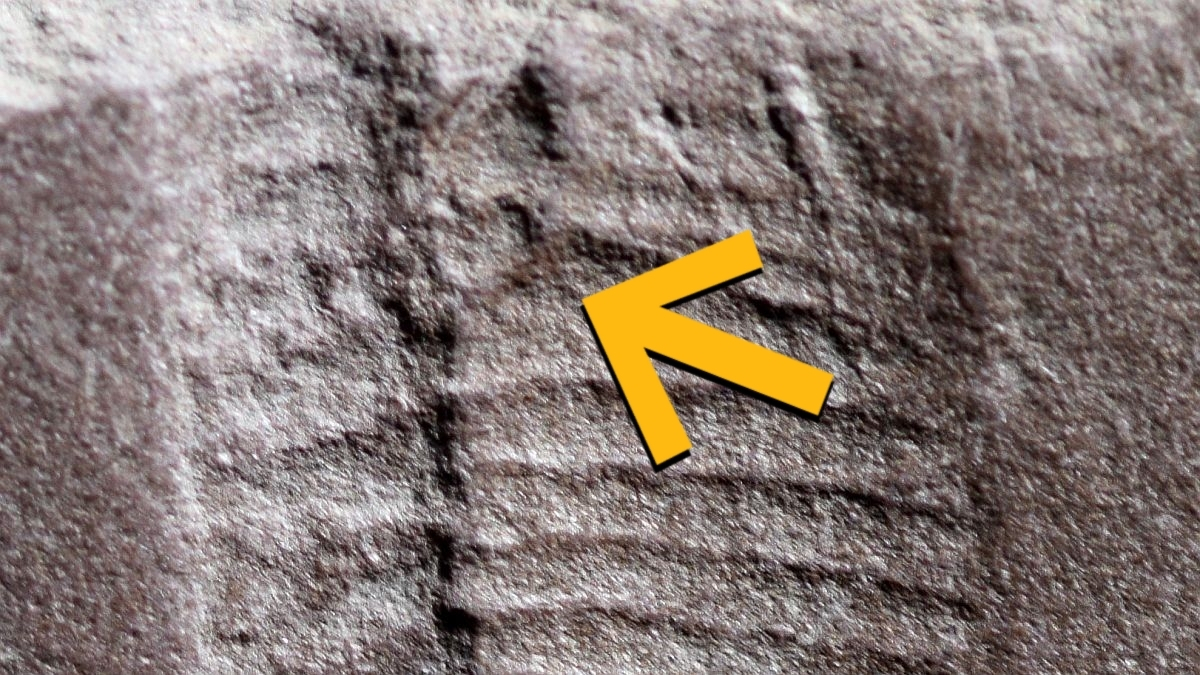
@NewScientist reported that analysis of 100 Spriggina floundersi specimens from South Australia reveals a statistically significant preference for rightward bends. The 555-million-year-old Ediacaran fossils predate previous evidence by millions of years.
 theconversation.com
world3 days ago
Study of Ancient Fossils Finds 2-to-1 Ratio of Right- to Left-Curving Spriggina
Researchers analyzed more than 100 Spriggina floundersi specimens and concluded the 550-million-year-old animal favored rightward bends. The findings were published Thursday in Scientific Reports.
 anthropology.net
world6 days ago
Neanderthals and Homo Sapiens Shared Tools and Shells at Turkish Cave
Cnn reported that both species occupied Üçağızlı II cave in southern Turkey at different times and produced similar Mousterian tools while hunting the same animals and collecting Columbella rustica shells. The research was published Monday in PNAS based on fossils and sediment la…
 forbes.com
science13 days ago
300-Million-Year-Old Fossils Show Early Tetrapod Juveniles Lacked External Gills
@NewScientist reported that researchers examined baby embolomere fossils from Illinois indicating direct development from hatching to adulthood. The study challenges prior assumptions about metamorphosis in the water-to-land transition for early tetrapods.
 theconversation.com
science18 days ago
Fossils Show Flowering Plants Produced Fleshy Fruits Before Dinosaur Extinction
A study of 450 fossils from New Mexico indicates that flowering plants produced a wide range of seeds and fleshy fruits more than 74 million years ago. The findings suggest animals dispersed these seeds earlier than previously thought.
 New Scientist
science25 days ago
Fossils of Two 2-Centimeter Baby Embolomeres Show No Tadpole-Like Stage
Researchers at the Field Museum examined baby embolomere fossils from Mazon Creek that preserved soft tissue and yolk sacs, indicating direct development without metamorphosis.
 theconversation.com
science26 days ago
Fossil discoveries link one-eyed animals to cyclops myth
Ancient Greeks may have based stories of one-eyed giants on elephant fossils and observations of tiny sea creatures. Modern biology shows single-eye structures in early vertebrates and some living crustaceans.
 nypost.com
world31 days ago
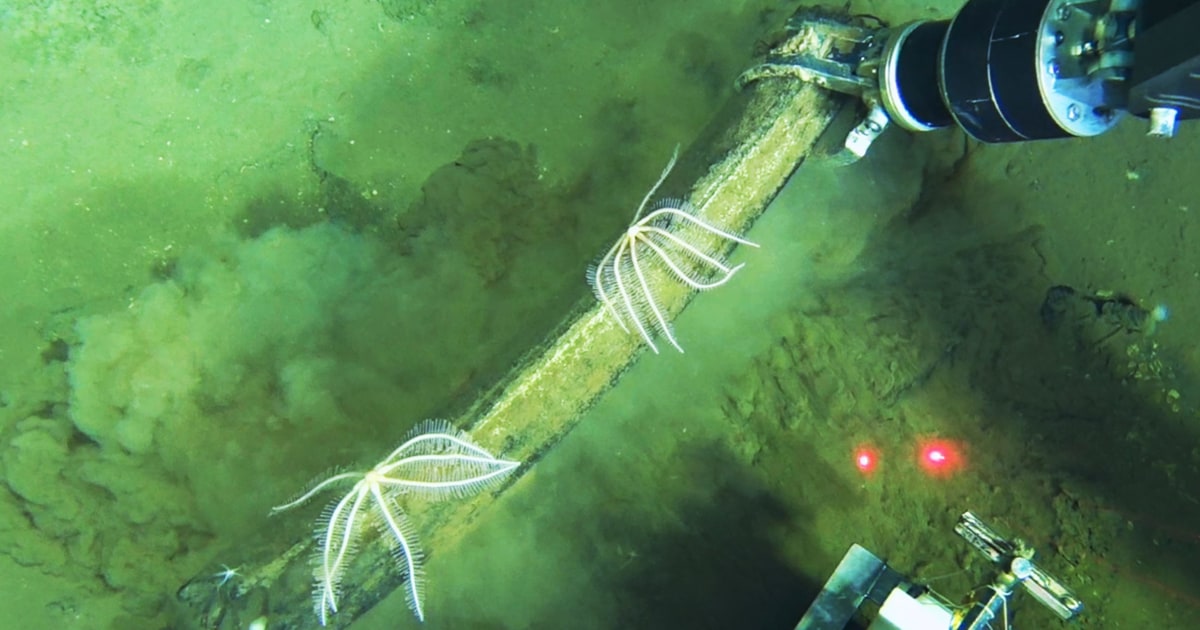
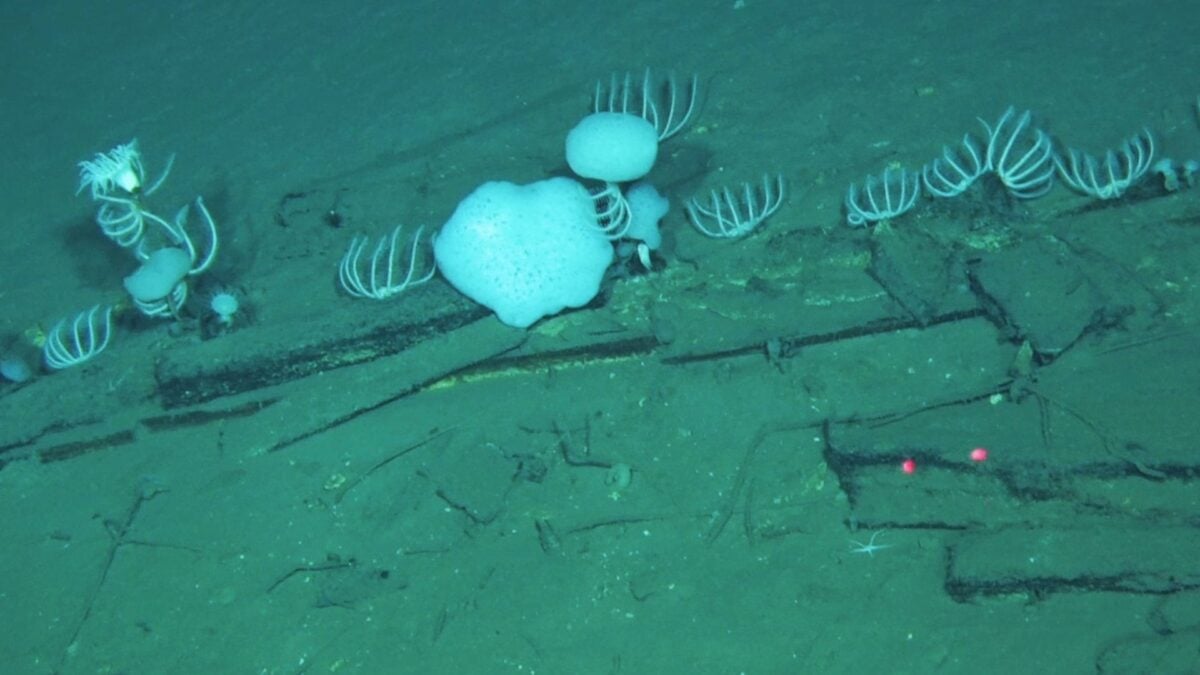
World's Largest Known Whale Graveyard Found in Indian Ocean at Record Depth
@CBSNews reported that researchers located nearly 500 whale skeletons along a 1,200-kilometer corridor in the Diamantina Fracture Zone at depths up to 7,000 meters. The find, published in Nature on 11 June 2026, includes fossils dating back 5.3 million years.
 Nbc News
world32 days ago
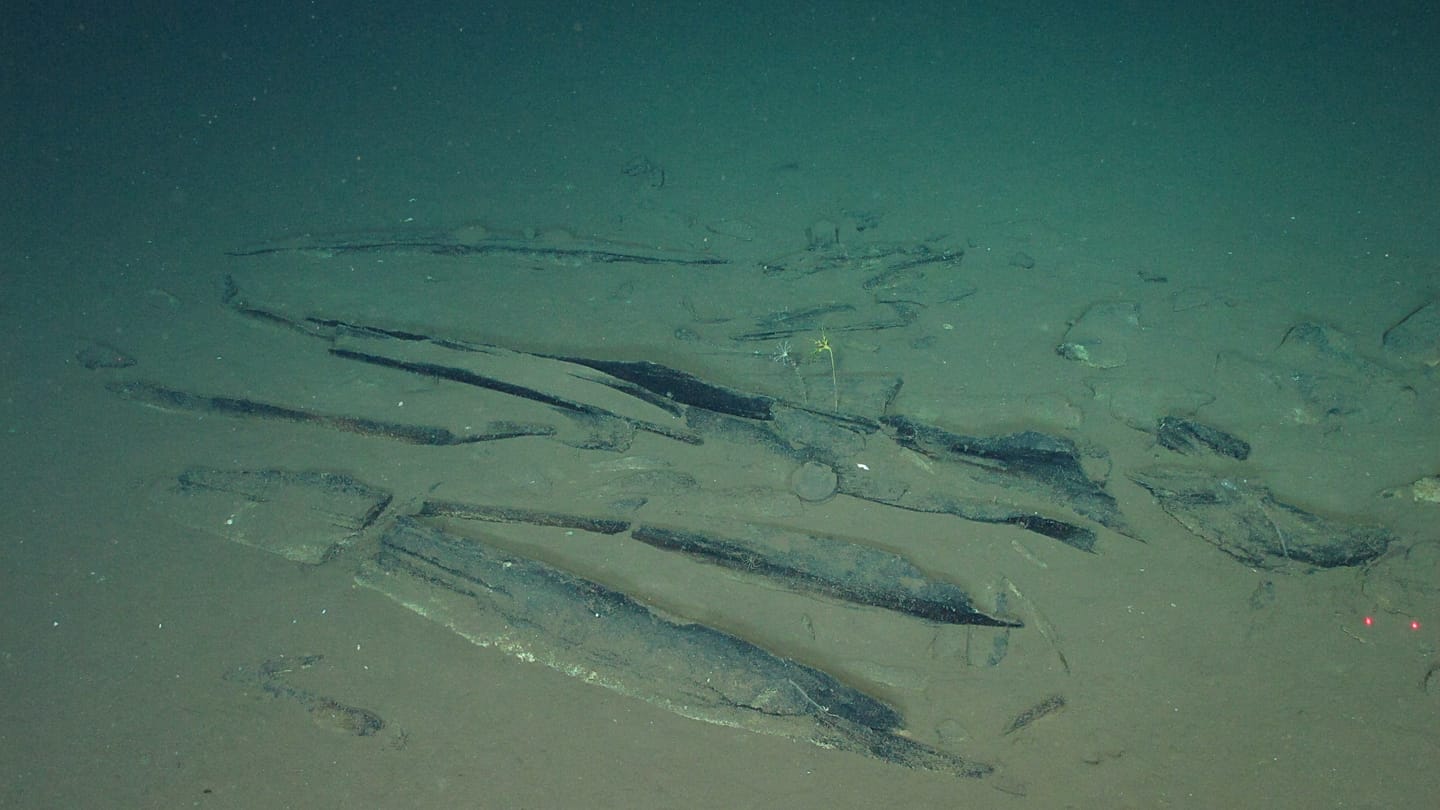
Scientists Map Deepest Known Whale Graveyard in Indian Ocean
@NBCNews reported that researchers identified five carcass sites and fossils spanning the largest, deepest and oldest whale graveyard found to date, located up to 23,000 feet below the surface.
 Euronews
science32 days ago
Scientists Identify Deepest Known Whale Graveyard in Indian Ocean
Researchers located five whale carcass sites and numerous fossils at seven kilometres depth during 2023 submersible expeditions. The site contains bones dating back as far as 5.3 million years and supports communities of jellyfish, tubeworms, brittle stars, sea cucumbers, squat l…
 earther.gizmodo.com
world33 days agoUpdated
Chinese Researchers Document 485 Whale Skeletons Across 1,200 km of Deep Indian Ocean Seafloor
Researchers catalogued the remains along a 1,200-kilometer corridor at depths reaching 7,000 meters. The site includes both recent whale falls and fossils dating back 5.3 million years.
AF
 kottke.org
science34 days ago
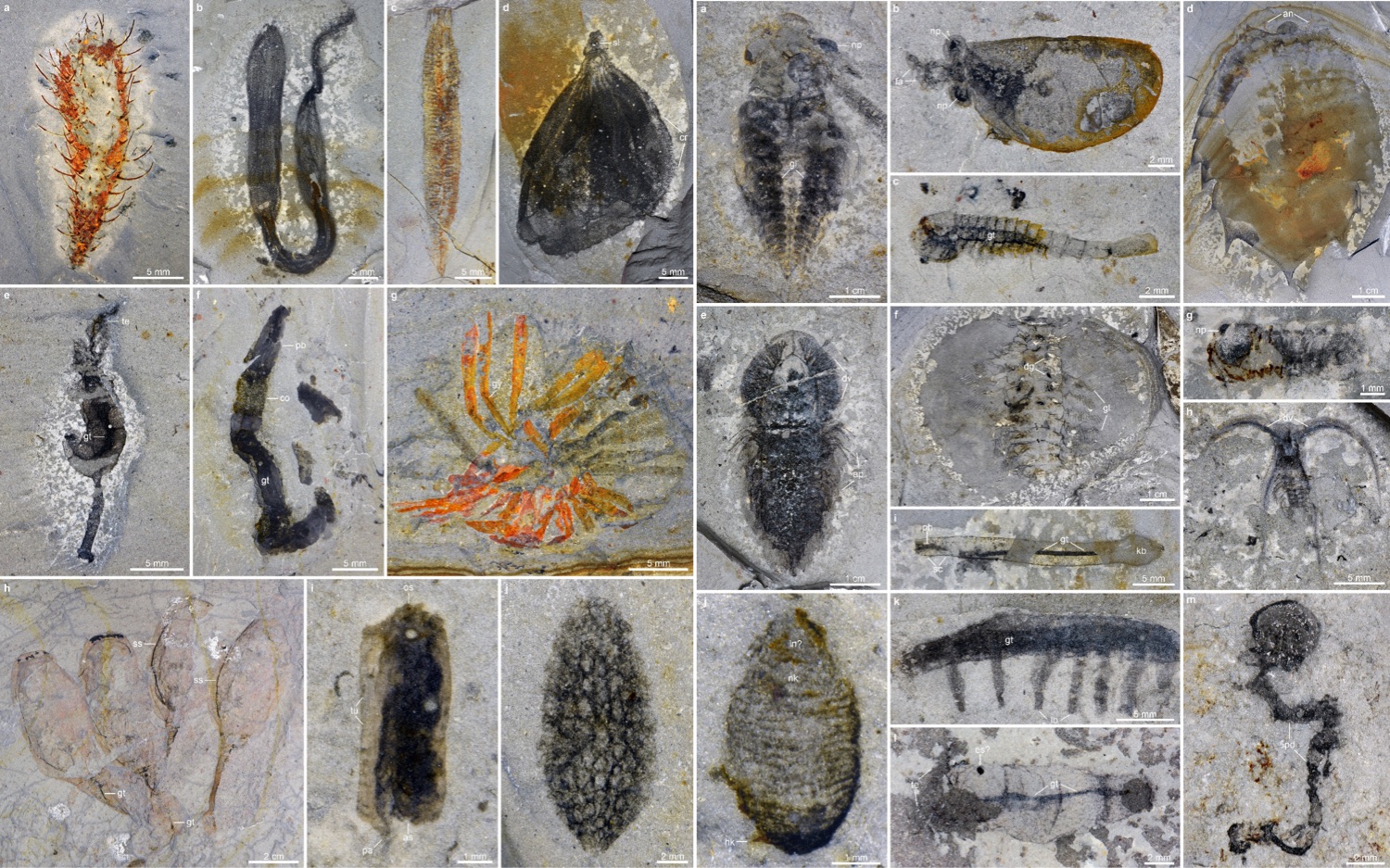
Cambrian Fossils With Preserved Soft Tissues Place Bryozoa in the Early Cambrian and Indicate Even Earlier Stem Origins
@Nature reported that phosphatized soft tissues in fossils from China place bryozoans among animals present at the Cambrian explosion.
NA
 The Independent
science36 days ago
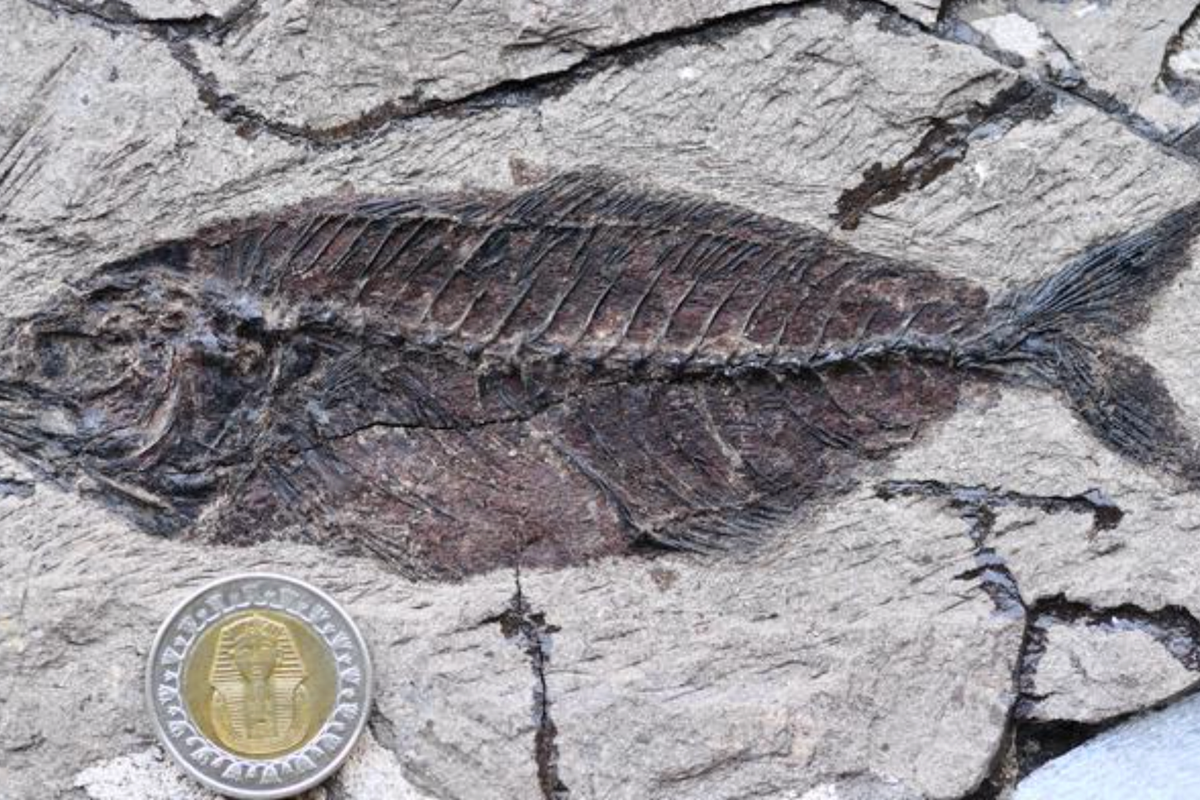
Egyptian Desert Fossils Reveal Both Survivors and Missing Lineages Four Million Years After Dinosaur Extinction
Researchers recovered nearly 500 fish fossils from Qreiya 3 in Egypt’s eastern desert, dating to roughly four million years after the asteroid impact that ended the age of dinosaurs.
 The Independent
science39 days ago
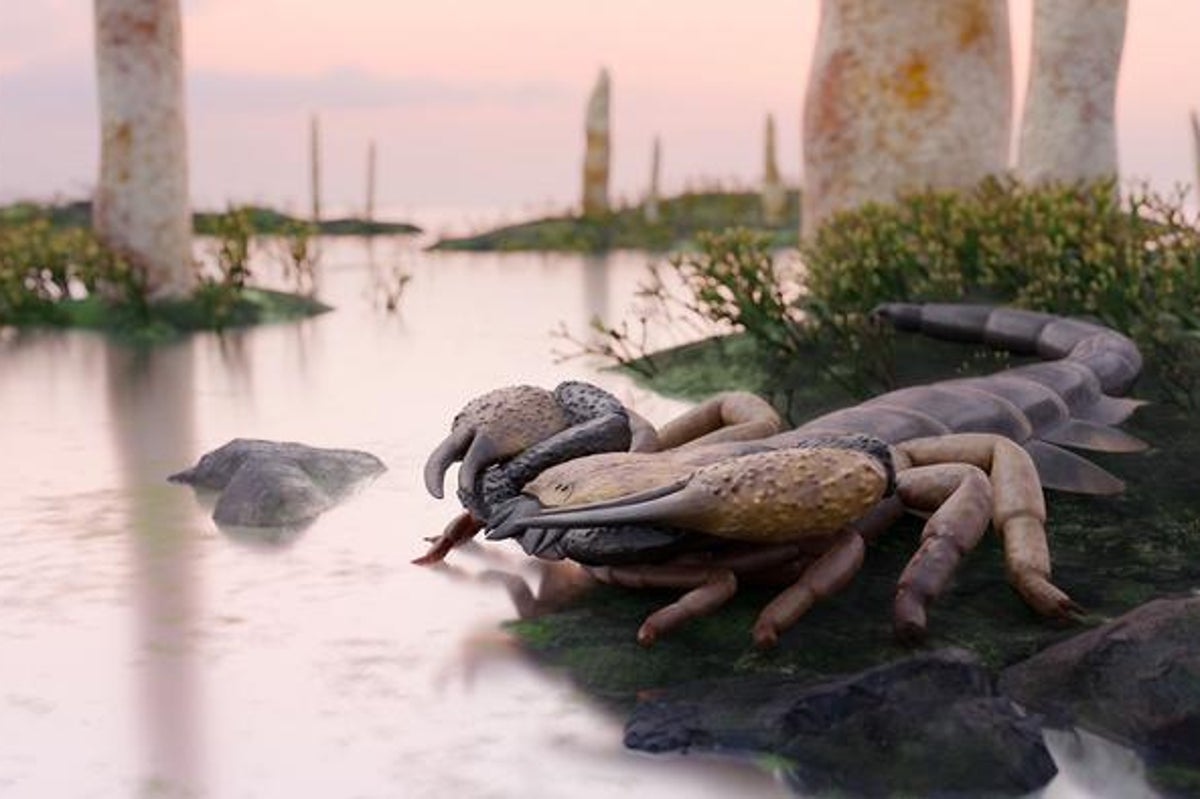
Fossil Study Identifies Giant Scorpion Species From Early Devonian Wales
Researchers identified a metre-long scorpion from fossils in Wales that lived about 415 million years ago. The specimen had been held in museum collections for over 150 years and was previously classified as a crustacean.
 ABC News
world52 days ago
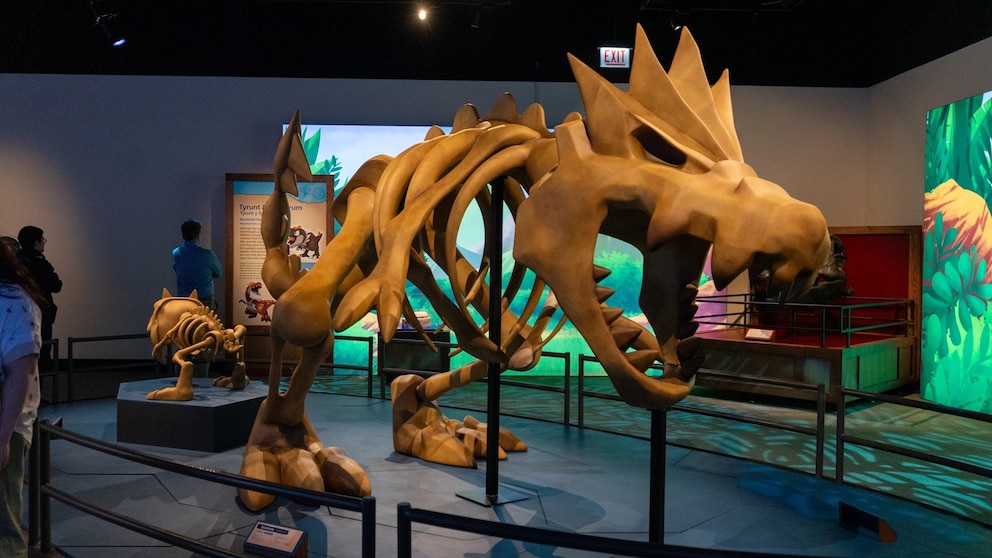
Pokémon Fossil Museum Exhibition Opens at Chicago's Field Museum
The Pokémon Fossil Museum exhibition opened Friday at Chicago's Field Museum, marking the first time the show has been displayed outside Japan. It runs through April 11, 2027, and pairs real fossils with life-sized sculptures of fossil Pokémon.
 ABC News
world52 days ago
Chicago museum exhibition pairs Pokémon with real fossils
An exhibition at a Chicago museum combines Pokémon characters with actual fossils. The display is scheduled to open on May 22, 2026.
 The Sydney Morning Herald
world54 days ago
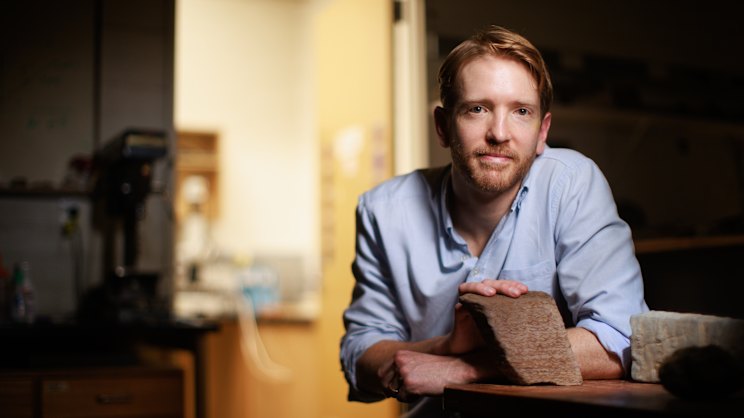
Australian rocks yield 1.7-billion-year-old complex life fossils
A University of Sydney geobiologist examined ancient mudstone from the Northern Territory and identified microscopic fossils of early complex organisms. The study, published in Nature, shows these eukaryotes lived only in shallow oxygenated waters.
 usatoday.com
world55 days ago
Scientists Identify New 88-Foot Dinosaur Species in Thailand
Researchers have described a newly identified sauropod from fossils found in northeast Thailand. The dinosaur measured 88 feet long and weighed about 27 tons.
 ecns.cn
world57 days ago
Researchers Identify New Giant Dinosaur Species in Thailand
Scientists have described a previously unknown long-necked dinosaur species from fossils found in northeastern Thailand. The animal is estimated to have weighed about 27 tons and lived 100 to 120 million years ago.
AB
 indianexpress.com
world59 days ago
88-Foot Nagatitan Dinosaur Remains Discovered in Thailand
British and Thai researchers have identified Nagatitan, the largest and geologically youngest sauropod known from Southeast Asia. The Cretaceous Period fossils, first spotted by a villager in Chaiyaphum province, include a 5.8-foot humerus and indicate the creature weighed 25 to…
 France 24
world59 days ago
Thai Researchers Describe New Sauropod Species Nagatitan chaiyaphumensis from Northeast Thailand
A new sauropod species measuring 27 metres and weighing 27 tonnes has been named from fossils found in northeast Thailand. The study describing Nagatitan chaiyaphumensis, the region's biggest known dinosaur, was published on 14 May 2026. Lead researcher Thitiwoot Sethapanichsakul…
 Al Jazeera
science59 days agoUpdated
Scientists Name Nagatitan chaiyaphumensis, Largest Dinosaur Discovered in Southeast Asia
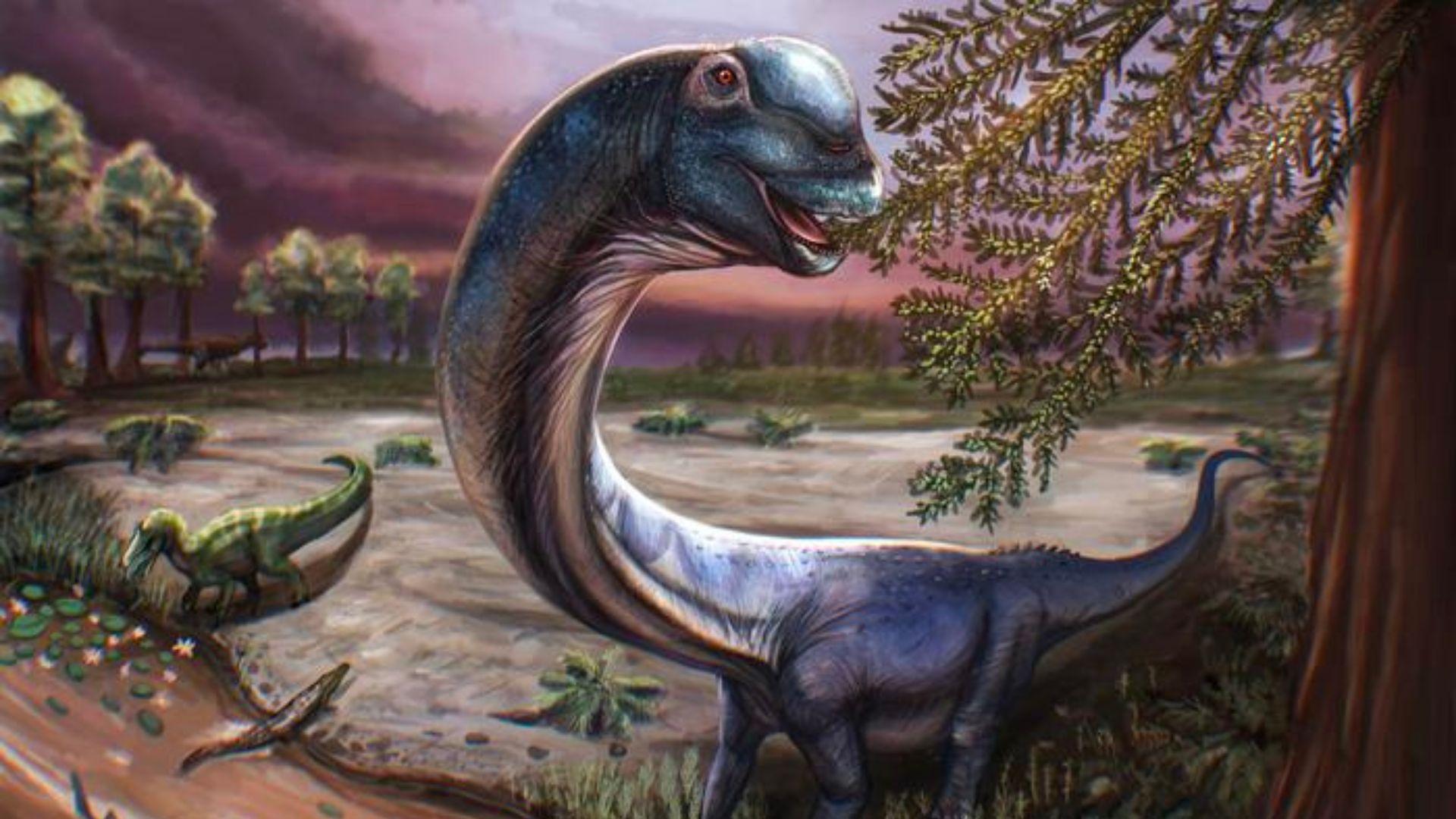
Palaeontologists have identified a new species of sauropod from fossils first spotted by a villager in Thailand a decade ago. The 27-metre-long herbivore, named Nagatitan chaiyaphumensis, lived roughly 113 million years ago and weighed between 25 and 28 tons. The study, published…
 interestingengineering.com
science60 days ago
New Giant Long-Necked Dinosaur Species Identified From Thailand Fossils
Scientists have identified a new species of sauropod dinosaur from fossils found in north-eastern Thailand a decade ago. The nagatitan weighed 27 tonnes and measured 27 metres in length. The discovery was detailed in a study published in the Scientific Reports journal.
 New York Post
world60 days agoUpdated
Scientists Name New 27-Meter Sauropod from 113-Million-Year-Old Thai Fossils
Fossils of the 113-million-year-old sauropod Nagatitan chaiyaphumensis, nearly 90 feet long and weighing 25 to 28 tons, were unearthed in Thailand’s Chaiyaphum province. The research, published May 14, 2026, in Scientific Reports, offers new insight into sauropod diversity and th…
 yahoo.com
world75 days ago
Evidence of Possible 100,000-Year-Old Cremation Found in Ethiopia's Afar Rift
Archaeologists discovered burnt bone fragments in Ethiopia that may represent the world's oldest documented cremation, dating back approximately 100,000 years. The findings, including three Homo sapiens fossils and thousands of stone tools, were detailed in a study published on A…
JE
 James St. John / Wikimedia (CC BY 2.0)
world78 days ago
Fossilized Jaws Show Massive Octopuses Hunted in Dinosaur-Era Seas 100 Million Years Ago
New analyses of ancient octopus fossils reveal creatures up to 62 feet long that rivaled other marine predators during the dinosaur age. Researchers examined jaws from Japan and Vancouver Island, estimating sizes and diets based on wear patterns. The findings, published in Scienc…
AB
 James St. John / Wikimedia (CC BY 2.0)
world80 days ago
Fossilized Jaws Show Massive Ancient Octopuses Reached Over 60 Feet in Length
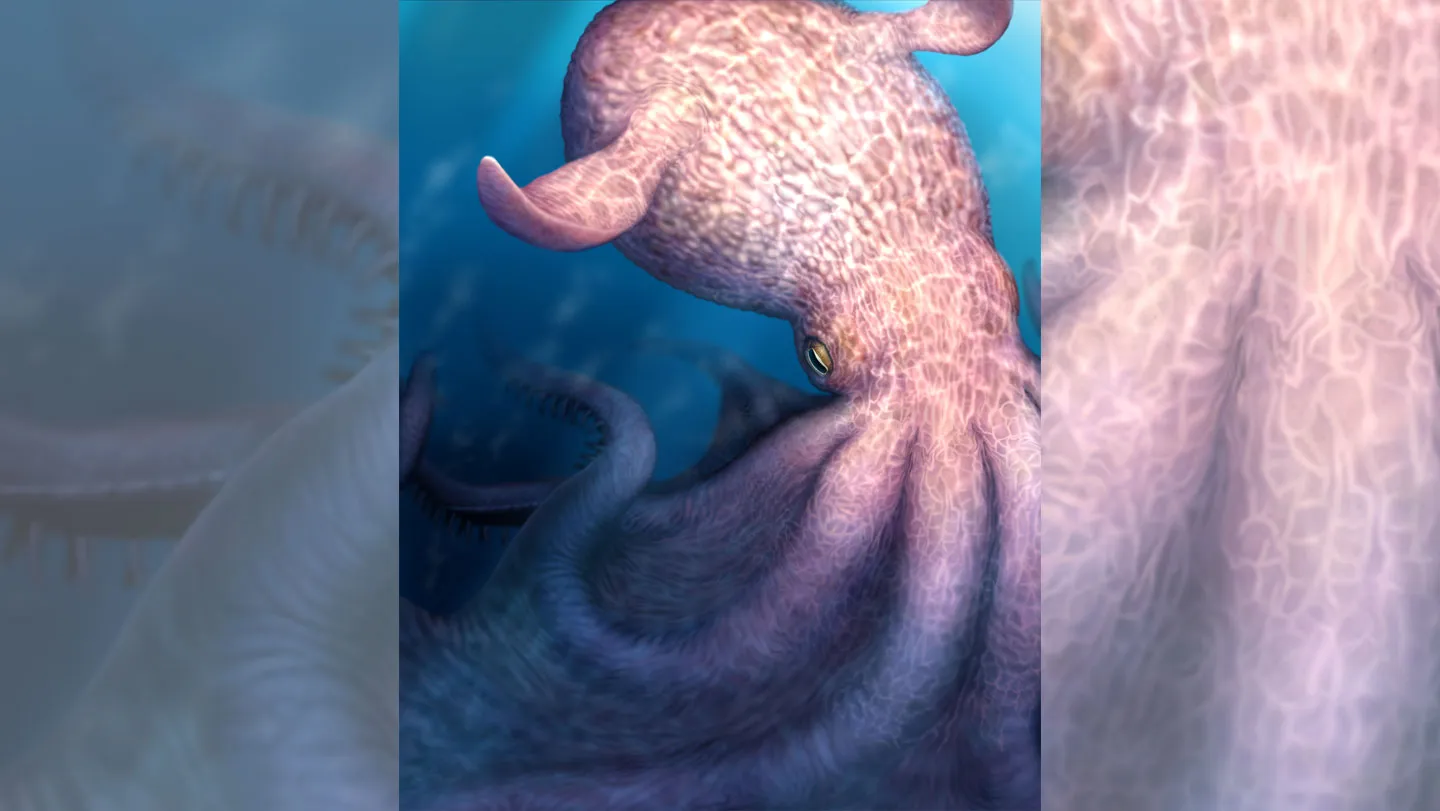
New analyses of ancient octopus fossils reveal creatures up to 62 feet long that hunted during the Cretaceous Period. Researchers compared jaws from Japan and Canada to modern octopuses, estimating sizes and noting wear from crushing hard prey. The findings, published in Science,…
 Science News
science81 days ago
Fossilized Jaws Show Giant Octopuses Up to 19 Meters Long Dominated Cretaceous Oceans
Researchers have uncovered evidence of enormous octopuses from the Late Cretaceous Period, with some reaching lengths of up to 19 meters. The findings, based on fossilized jaws, indicate these creatures were top predators. The study reclassifies the fossils into two species and h…
 Substrate placeholder — needs review
science94 days ago
Fossil Jawbone and Teeth in Egypt Identified as New Early Ape Species from 17 Million Years Ago
Fragments of a jawbone and teeth discovered in Egypt have been classified as a new species of early ape, Masripithecus moghraensis. The fossils date to approximately 17 million years ago. This finding provides additional evidence on the distribution of early apes in Africa during…
NE
 Dasklubar / Wikimedia (CC BY-SA 4.0)
world96 days ago
Experimental Company Creates Handbag from Lab-Grown T. rex Collagen in Amsterdam
An experimental garment company collaborated with scientists to produce a handbag using collagen grown from protein fragments extracted from T. rex fossils. The one-of-a-kind item was developed in a laboratory setting. It is currently on display in Amsterdam.
 sciencealert.com
science96 days ago
Fossils of Ancient Reptile Reveal Early Evolution of Chest-Based Breathing
Mummified remains of Captorhinus, a small lizard-like reptile from 289 to 286 million years ago, preserve rib cages, cartilage and protein traces. These fossils show a flexible breathing apparatus similar to that in modern reptiles, birds and mammals. The discovery provides evide…
 news.sky.com
science100 days ago
Fossils in China Show Earlier Evolution of Complex Life
Scientists have discovered over 700 fossils in China's Yunnan province that date to about 539 million years ago, revealing traits of complex animals earlier than previously thought. The fossils indicate a transition from simple, two-dimensional life forms to three-dimensional one…