science
Air-Launched Rocket Begins Pursuit of NASA Satellite
A commercial satellite launched July 4 from a Pacific range to reach a NASA astronomy spacecraft at risk of orbital decay. The mission will take several weeks to complete a rendezvous and raise the target satellite's altitude.
 app.buzzsumo.com
Audio version
Tap play to generate a narrated version.
Developing·Limited corroboration so far. This page will refresh as more sources emerge.
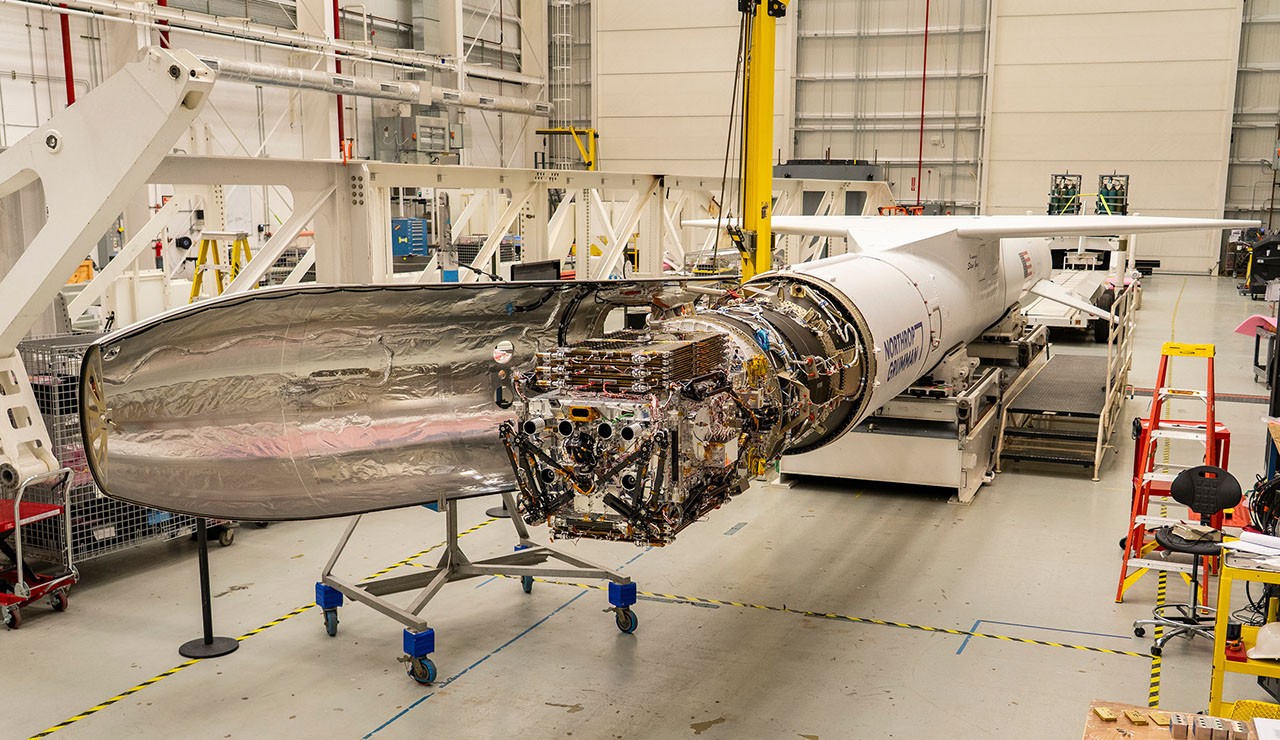
An air-launched rocket lifted off from a Pacific Ocean drop zone early Friday to start a weeks-long chase of a NASA astronomy satellite. m. EDT and ignited its first stage five seconds later. The launch occurred south of Kwajalein Atoll after the rocket and its L-1011 aircraft waited several days for suitable weather.
The carrier plane had flown from Virginia to the U.S. Army test range on the atoll, more than 2,000 miles southwest of Honolulu.
NASA issued a solicitation less than a year ago for commercial proposals to build and launch a small satellite capable of docking with the Swift observatory and raising its orbit. Katalyst Space Technologies received a contract last September after submitting the selected plan.
The Link spacecraft, weighing nearly half a ton, reached orbit nine months after contract award. Standard industry timelines for comparable missions typically span several years.
The Link satellite will require several weeks to close the distance to Swift, which currently orbits above the remote Pacific roughly halfway between Hawaii and northern Australia. Once rendezvous occurs, the mission will attempt to increase the observatory's altitude to prevent re-entry within the next few months.