science
Egypt Announces Byzantine City and Ancient Tombs in Western Desert
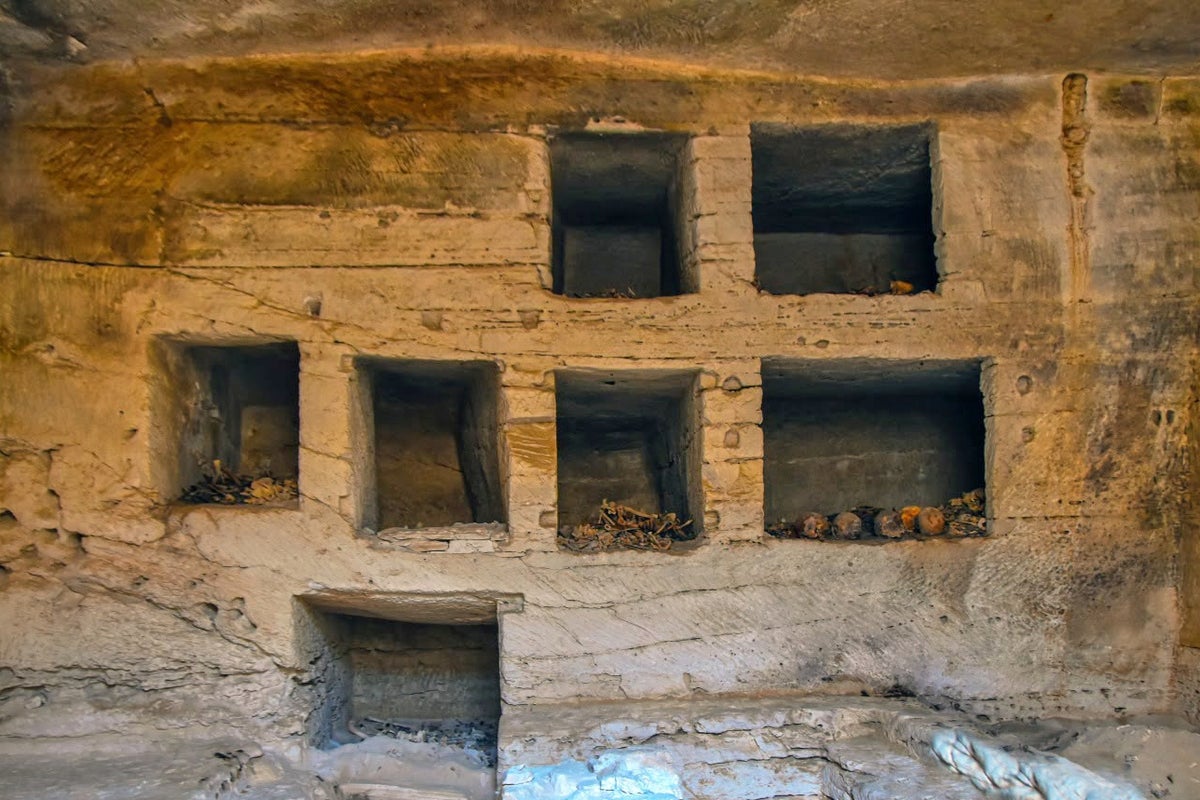
Egypt unveiled a fourth-century Byzantine residential settlement at Dakhla Oasis and 18 additional tombs at Marina el-Alamein. The finds add detail on daily life and funerary practices while supporting the country's tourism recovery.
 The Independent
Audio version
Tap play to generate a narrated version.
Developing·Limited corroboration so far. This page will refresh as more sources emerge.
Egypt announced two archaeological discoveries on Saturday: a well-preserved Byzantine-era residential city at Dakhla Oasis and 18 newly uncovered tombs at the Marina el-Alamein site west of Alexandria. The Dakhla settlement dates to the fourth century, when Egypt formed part of the Byzantine empire.
Excavations revealed a grid of north-south and east-west streets forming open squares, a mid-fourth-century basilica church, two watchtowers, and fortified structures with thick defensive walls. Houses included reception halls and vaulted roofs. One structure, identified as the house of Tisous, is believed to have served as a house church before the basilica was built.
Archaeologists recovered bread ovens, kitchens, and stone grinding tools. Bronze coins bearing portraits of Byzantine emperors, Latin inscriptions, Christian symbols, and gold coins from the reign of Roman emperor Constantius II were also found. Approximately 200 pottery fragments known as ostraca contain inscriptions describing commercial transactions and correspondence.
Artifacts include pottery vessels, amphorae, lamps, plates, altars, and limestone basins. A 2.5-meter granite sarcophagus containing skeletal remains is under study. Nearby, excavators found the remains of a plaster sphinx statue and four gold pieces placed in the mouths of some deceased individuals, a practice known as the golden tongue.
The site, first unearthed in 1986, is believed to be the ancient Greco-Roman port city of Leukaspis that flourished from the second to the fourth century.
Egypt's tourism sector has recovered after years of political turmoil and the coronavirus pandemic. Official figures show 19 million visitors last year, a 21 percent increase from 2024, with 6.1 million arrivals in the first four months of 2026 compared with 5.7 million in the same period of 2025. The Dakhla Oasis remains on UNESCO's Tentative List for World Heritage status.