politics
Argentina's Congress Approves Bill Easing Protections for Glacial Formations
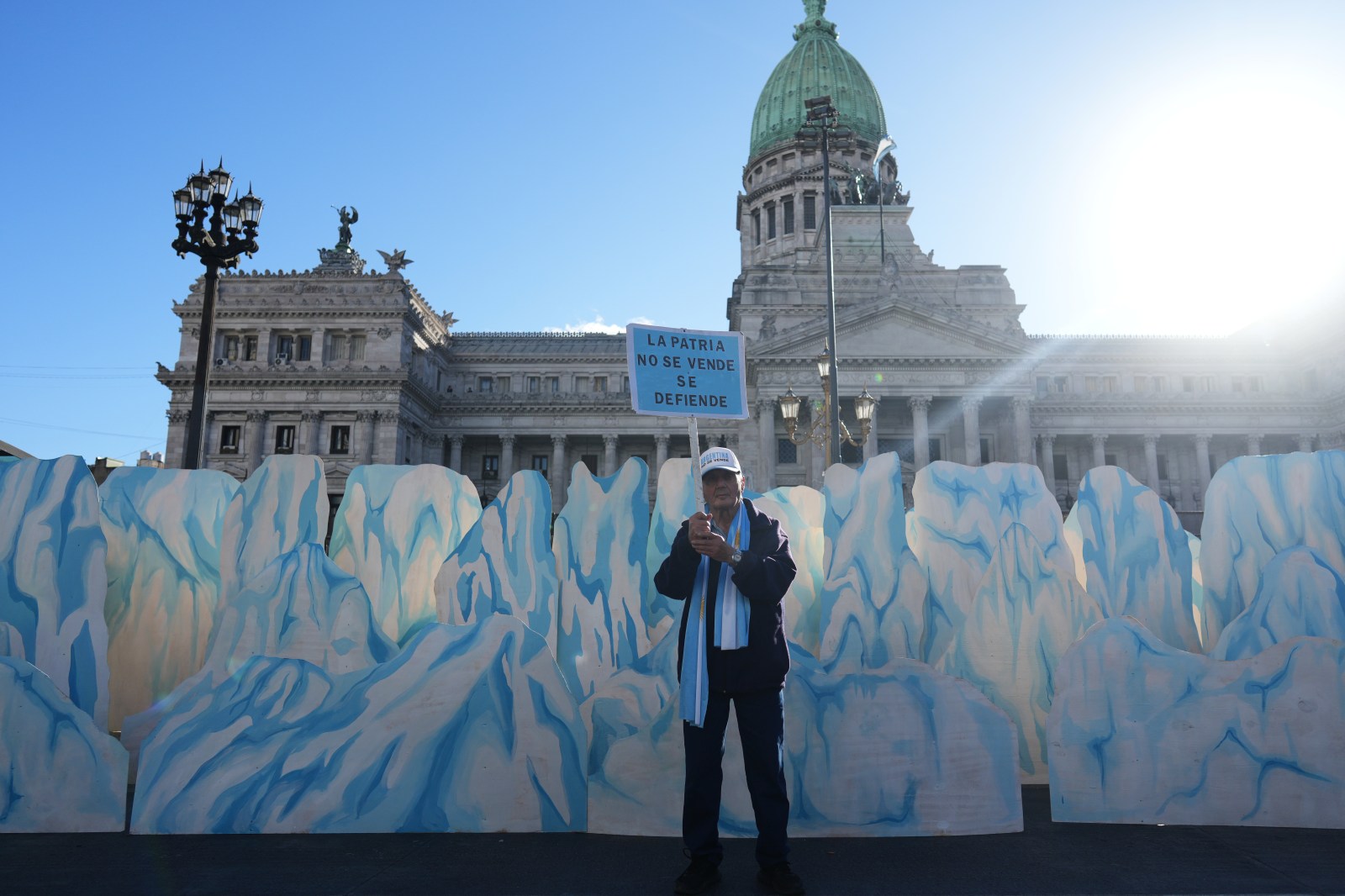
Argentina's Congress has passed legislation that reduces protections for glacial areas, a development sought by major mining companies. The bill modifies existing laws to allow certain activities near glaciers. This change comes amid ongoing debates over environmental safeguards and economic interests in the mining sector.
BU
 winnipegfreepress.com
Audio version
Tap play to generate a narrated version.
Argentina's Congress approved a bill on Wednesday that eases protections for glacial formations. The legislation modifies the 2011 Glaciers Law, which previously restricted mining and other activities in periglacial zones. The vote passed with support from the ruling party and some opposition members, according to reports from local media.
The bill aims to clarify definitions of protected areas and permit mining operations in regions previously off-limits. Mining companies, including those focused on lithium and copper extraction, had advocated for the changes to access resources in Andean regions. Glaciers in Argentina provide water to millions and support agriculture in downstream areas.
Legislation The original Glaciers Law, enacted in 2011 under President Cristina Fernández de Kirchner, prohibited industrial activities within 300 meters of glaciers to preserve water resources.
Environmental groups opposed the new bill, arguing it could lead to contamination of vital water sources. The legislation now heads to President Javier Milei for signature, which is expected given his administration's pro-business stance. Lawmakers debated the bill for several months, with mining industry representatives testifying in favor.
The measure is part of broader efforts to boost Argentina's mining sector, which contributes about 1% to the country's GDP. Critics, including scientists, have raised concerns about potential long-term effects on biodiversity and water availability in provinces like San Juan and Mendoza.
firms such as Lithium Americas and Pan American Silver stand to benefit from expanded access to deposits near glacial areas.
These companies have projects valued in the billions, potentially increasing exports of critical minerals for batteries and renewable energy. Affected communities, including indigenous groups and farmers, rely on glacial meltwater for irrigation and drinking. Following approval, the government plans to issue regulations within 90 days to implement the changes.