Columnist Urges No-Fire Zone Near Strait of Hormuz
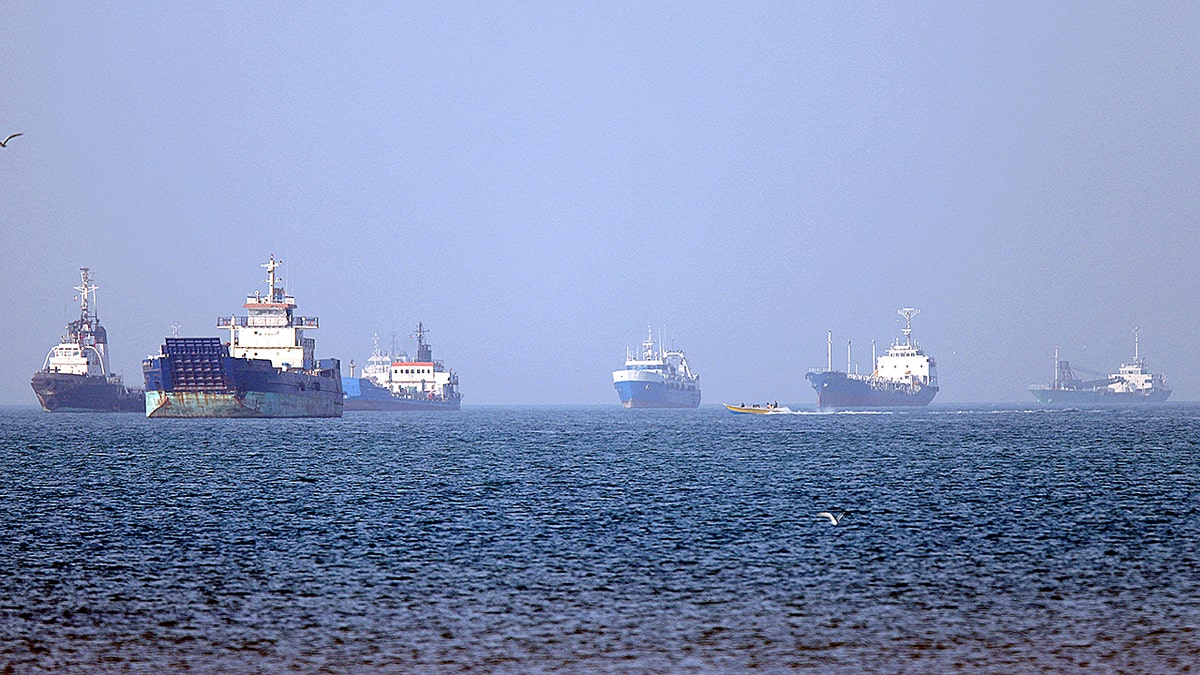
Hugh Hewitt proposed establishing a no-fire zone extending 100 miles from the Strait of Hormuz coast after U.S. and allied operations against Iranian Revolutionary Guards Corps forces. The column references past no-fly zones in Iraq as a model for current operations.
 Fox News
U.S. and coalition forces to establish a no-fire zone extending at least 100 miles from the coast of the Strait of Hormuz. Hewitt argued that operations against the Iranian Revolutionary Guards Corps should precede the zone and that continued firing would require a no-movement zone.
The Strait of Hormuz remains an international waterway protected by customary law of the sea, according to the column.
Hewitt cited two no-fly zones established in Iraq during the 1990s after the first Gulf War. The northern zone was created in April 1991 to protect Iraqi Kurds. The southern zone was established in August 1992 to protect Shia populations. Those zones remained in place until 2003.
U.S. and allies can and should recommence combat operations against the IRGC. The column said the IRGC continues to menace shipping through mines, drones, and missiles. S. operations and would test whether NATO allies contribute to policing the waterway. S. should consider ending its role as the primary defender of international waterways.
Key Facts
Story Timeline
3 events- April 1991
Northern no-fly zone established in Iraq to protect Kurds.
1 sourceFox News - August 1992
Southern no-fly zone established in Iraq to protect Shia populations.
1 sourceFox News - 2026-05-21
Column published urging no-fire zone near Strait of Hormuz.
1 sourceFox News
Potential Impact
- 01
NATO allies may face pressure to contribute forces to policing the waterway.
- 02
U.S. military operations near the Strait of Hormuz could increase if the proposal is adopted.
Transparency Panel
Related Stories
 BBC News
Trump Meets Advisers to Decide on Iran Ceasefire Extension
President Trump said he is holding a Situation Room meeting to make a final decision on a possible deal with Iran. The proposed agreement would extend the ceasefire by 60 days and reopen the Strait of Hormuz.
 middleeasteye.net
Trump to Decide on Iran Deal in Situation Room Meeting
President Trump said Friday he is heading into the Situation Room to make a final determination on a potential agreement with Iran. The proposed deal would reopen the Strait of Hormuz without tolls and require destruction of Iran's highly-enriched uranium.
 benzinga.com
Vietnam Clears Graves for Trump Organization Project in Hung Yen Province
Farmers in Hung Yen province are exhuming family graves to make way for a $1.5 billion Trump Organization development that includes hotels, villas and a golf course. The project, approved last year, has drawn local resistance over compensation levels and relocation of remains.