Defected Syrian Judge Leads Trial of Assad Cousin Atef Najib on War Crimes Charges
A Damascus court opened the trial of Atef Najib, cousin of former President Bashar al-Assad, on charges including premeditated murder and crimes against humanity. The presiding judge, Fakhr al-Din al-Aryan, had defected from the regime in 2013 and was sentenced to death in absentia. The proceedings mark a step in Syria's transitional justice after the 2024 overthrow of the Assad regime.
 winnipegfreepress.com
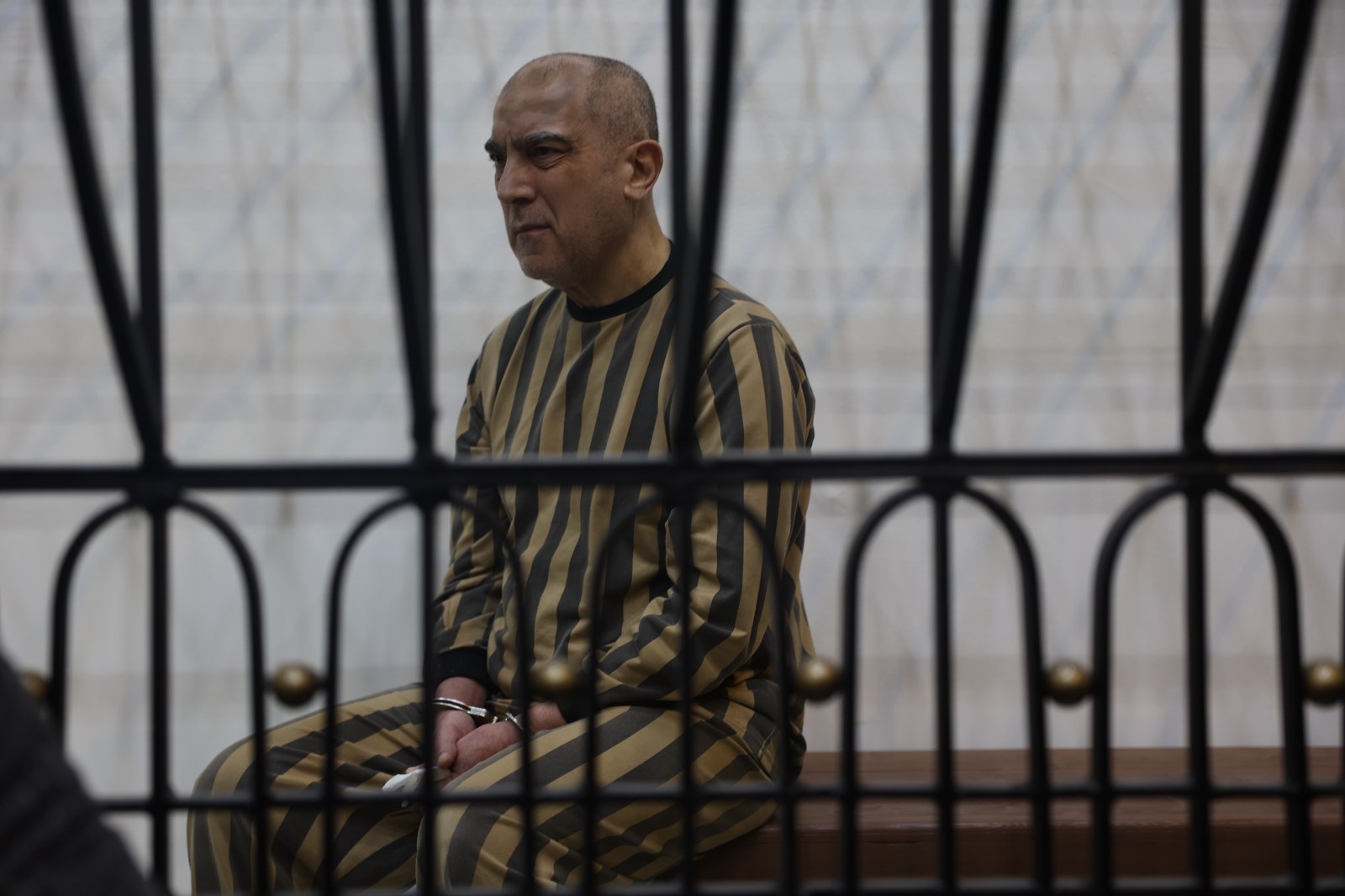
People gathered in a Damascus courtroom on April 26, 2026, for the first day of the trial of Atef Najib, a brigadier general and former head of the Political Security Department in Deraa during Bashar al-Assad's rule. Najib, accused of war crimes, faces charges of premeditated murder, torture leading to death, and crimes against humanity.
Al Jazeera reported that Najib, a cousin of former President Bashar al-Assad, was the former head of political security in the southern province of Deraa.
Fakhr al-Din al-Aryan presided over the trial's opening. Al-Aryan, a judge at Idlib’s Civil Court of Appeal, publicly defected from the Syrian regime on March 13, 2013. He was sentenced to death in absentia after his defection.
Bashar al-Assad’s regime was overthrown in December 2024. Al-Aryan returned to Syria’s judiciary after the overthrow. Al Jazeera reported that al-Aryan’s journey from defection to exile to return positioned him at the center of the country’s first transitional judicial proceedings.
Bashar al-Assad and his brother Maher al-Assad, a former top military commander, are being tried in absentia. Both men fled to Russia after their 2024 overthrow. Al Jazeera reported that their physical absence does not amount to legal immunity.
Atef Najib was arrested in January 2025 in the Latakia region. Al Jazeera reported that Najib’s position as a top security official in Deraa in 2011 placed him at the center of early confrontations between civilians and state security officers, including the arrest and torture of schoolchildren that sparked the revolution.
Fadel Abdulghany, the founder of the Syrian Network for Human Rights (SNHR), described the trial's symbolic weight.
“A judge once sentenced to death by the Assad regime for defending the rule of law has returned to the bench to apply that same law to one of the regime’s most extensively documented perpetrators of violations,” Abdulghany told Al Jazeera. He added that the reversal reflects adherence to due process in post-authoritarian transitions.
Al-Aryan defected in a recorded statement framing his decision as a matter of legal and moral responsibility.
“In light of the responsibility placed on the shoulders of judges, who are the guardians of justice and truth, and as a result of the massacres committed by the regime against civilians, children and women, … I announce my defection from the Ministry of Justice and my joining the Independent Syrian Judicial Council … to be a strong shield for justice and equality,” he said in the video, as reported by Al Jazeera.
After defecting, al-Aryan joined judicial bodies in opposition-held areas and worked on documenting alleged crimes by the former regime. The authorities responded by sentencing al-Aryan to death in absentia and confiscating his property, which was later sold at public auction, Al Jazeera reported.
Following the regime's fall, a presidential decree in June reinstated dismissed judges, leading to al-Aryan's appointment as head of the Fourth Criminal Court in Damascus. Deraa is known as the cradle of the revolution after government repression there inspired uprisings elsewhere.
One incident involved the killing of 13-year-old Hamza al-Khateeb, detained after scrawling anti-regime graffiti, Al Jazeera reported.
Najib's connection to such events underscores the trial's significance. The SNHR has documented at least 177,000 cases of enforced disappearances since 2011, with the vast majority attributed to the former Syrian government. Abdulghany stressed that the trial follows formal legal stages, including arrest by the Ministry of Interior, investigation, and referral to a criminal court.
He noted the charges align with international criminal standards. Abdulghany emphasized that accountability in Syria requires four pillars: criminal accountability, truth-seeking, reparations, and institutional reform. “Without these reforms, transitional justice trials risk being conducted through judicial institutions that have not themselves been transformed,” he told Al Jazeera.
He added that families of victims deserve answers independently of prosecutions. The trial is not a revolutionary or victors’ court but adheres to due process, Abdulghany said. He highlighted the need to dismantle exceptional courts and rebuild judicial independence.
Recognition of truth, justice, and reparations must be unconditional for durable reconciliation, he argued.
Transparency
Rewrite inherits source's positive framing of transitional justice and defectors, with selective sourcing from human rights advocates emphasizing regime crimes without counterpoints.
Selective sourcing: Single viewpoint from rights group dominates without opposition perspective
The trial risks becoming a symbolic spectacle without broader reforms, potentially undermining true accountability for all victims.
Reported by a single outlet. This score reflects source tier and factual specificity — corroboration is limited with one source.
Sources framed at 18; our rewrite scored 35 — in line with the sources.
Story details
Related Stories
 thehindu.com
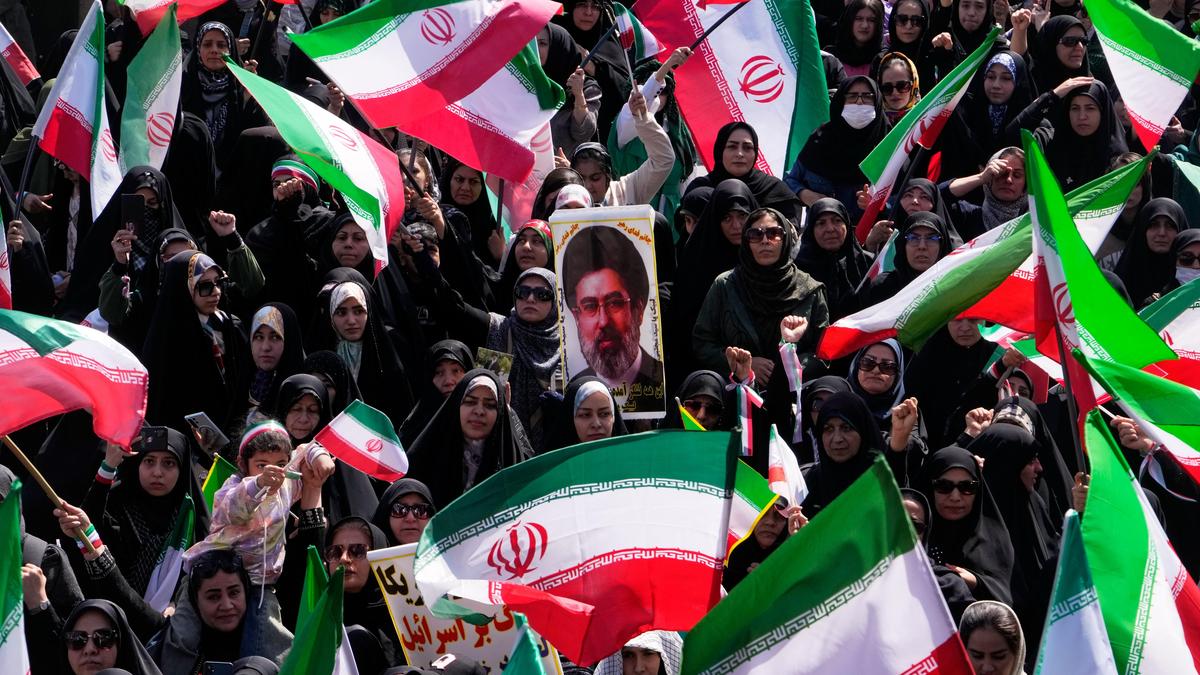
Rubio Tells Congress Iran's Mojtaba Khamenei Is Alive and Increasingly Active as U.S. Seeks Concessions
Marco Rubio testified before Congress on Tuesday that Iran's Supreme Leader Mojtaba Khamenei is alive and increasingly engaged. He also restated U.S. commitment to reopening the Strait of Hormuz.
 theepochtimes.com
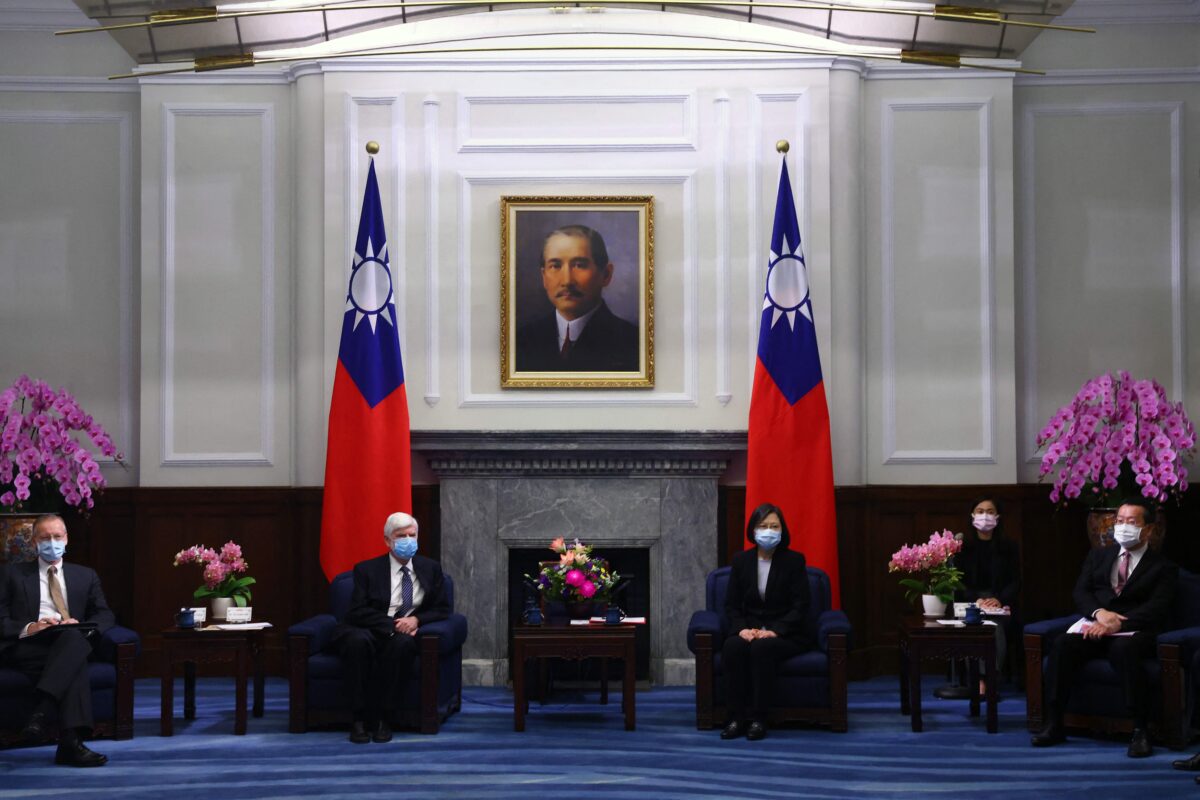
U.S. Policy on Taiwan Remains Unchanged, Secretary of State Says
Secretary of State Marco Rubio told a Senate committee that Washington continues to seek preservation of the current status quo with Taiwan. The statement follows last month's summit between the U.S. president and Chinese President Xi Jinping.
 Breaking Defense
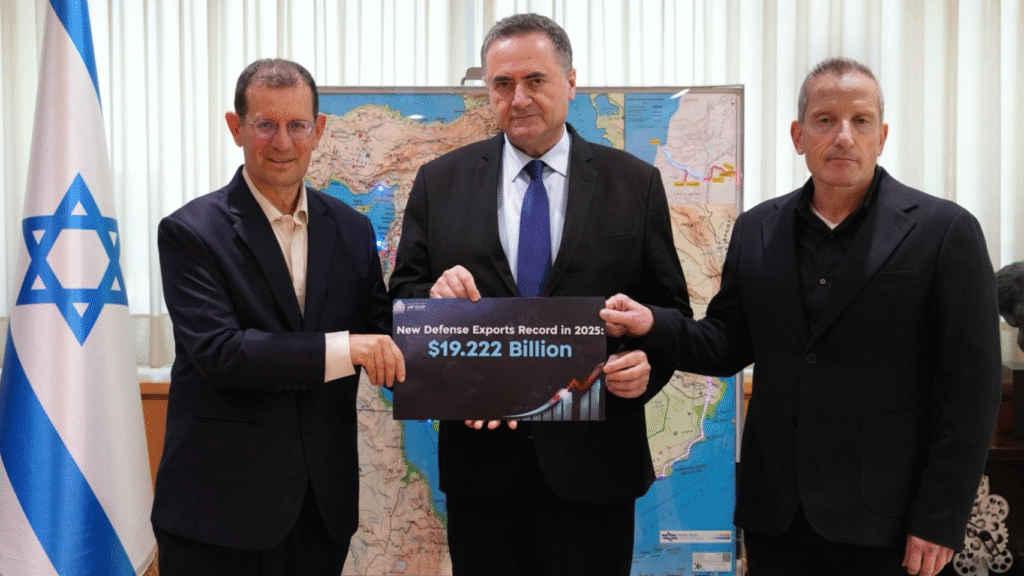
Israel Defense Exports Hit Record $19.2 Billion in 2025
The Israeli Ministry of Defense reported defense exports reached $19.2 billion last year, a nearly 30 percent increase from 2024. Government-to-government deals accounted for a record $10 billion of the total.