Detroit man pleads guilty in $16 million federal student aid fraud scheme
A Detroiter pleaded guilty in federal court to his role in a scheme that fraudulently obtained more than $16 million in federal student aid. The plea triggers mandatory restitution and potential prison time while exposing gaps in federal verification processes used by the Department of Education.
A Detroiter pleaded guilty May 6 in U.S. District Court for the Eastern District of Michigan to conspiracy to commit wire fraud and money laundering in a scheme that obtained $16 million in federal student aid.
The defendant, identified in the Justice Department release, admitted he participated in a fraud ring that recruited individuals to enroll in online postsecondary programs using false identities and fabricated information. The ring then submitted fraudulent Free Application for Federal Student Aid forms and Pell Grant applications on their behalf.
The Department of Education disbursed the funds, which the conspirators diverted for personal use including luxury goods and real estate.
The scheme affected federal student aid programs that collectively distribute more than $120 billion annually to roughly 13 million students. In this case prosecutors documented $16 million in fraudulent disbursements tied to hundreds of bogus enrollments at multiple institutions.
The guilty plea changes the defendant's legal status from charged to convicted on both counts. Sentencing is now scheduled, at which the court must order full restitution of the $16 million and can impose up to 20 years in prison on the wire-fraud conspiracy count plus additional time on the money-laundering count.
The plea agreement requires the defendant to forfeit assets traceable to the fraud.
Downstream the conviction requires the Department of Education to review enrollment and disbursement records at the implicated institutions for similar patterns. Federal prosecutors gain leverage to pursue remaining co-conspirators using the defendant's cooperation, which the plea mandates.
The case also obliges the department to tighten identity verification protocols for online programs, as the fraud exploited gaps between self-reported data and institutional checks. Treasury and Education officials must now reconcile the disbursed funds against closed loan and grant accounts.
This marks the latest resolution in a series of federal enforcement actions targeting student aid fraud rings. The Justice Department has pursued similar schemes in multiple districts since the expansion of online enrollment during the COVID-19 period, when remote verification became standard.
Coverage spread
Substrate’s article above is written from the primary record. Below: how mainstream outlets reported the same event.
No mainstream coverage of this story has surfaced yet.
Transparency Panel
Related Stories
 Al Jazeera
Trump Meets Advisers to Decide on Iran Ceasefire Extension
President Trump said he is holding a Situation Room meeting to make a final decision on a possible deal with Iran. The proposed agreement would extend the ceasefire by 60 days and reopen the Strait of Hormuz.
 rediff.com
Trump to Decide on Iran Deal in Situation Room Meeting
President Trump said Friday he is heading into the Situation Room to make a final determination on a potential agreement with Iran. The proposed deal would reopen the Strait of Hormuz without tolls and require destruction of Iran's highly-enriched uranium.
 realitytea.com
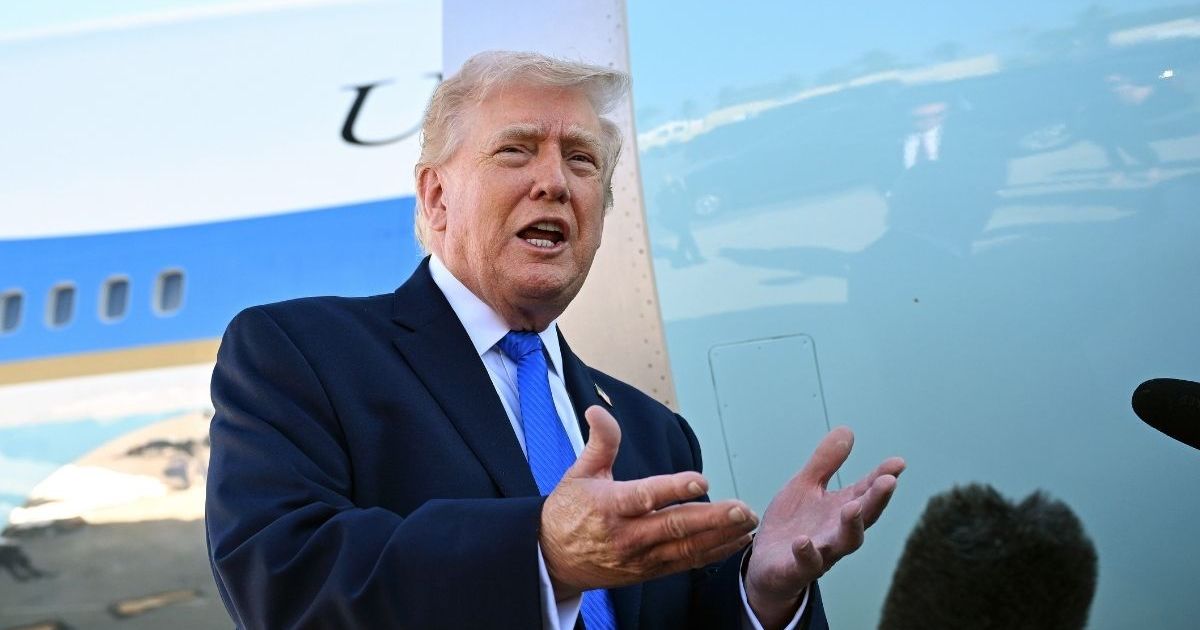
Trump Says U.S. Will Lift Iran Naval Blockade After Nuclear and Hormuz Pledges
President Trump stated the U.S. will end its naval blockade of Iran once Tehran commits to forgoing nuclear weapons and opens the Strait of Hormuz to unrestricted shipping. The announcement came via Truth Social and a live statement.