Allogene Therapeutics Reports CAR-T Treatment Achieves Minimal Residual Disease Negativity in B-Cell Lymphoma Trial
Allogene Therapeutics announced interim results from a Phase 3 clinical trial of its off-the-shelf CAR-T therapy, cema-cel, for patients with B-cell lymphoma. The treatment achieved minimal residual disease negativity in 58% of patients, compared to 16% in the observation group. These findings meet the trial's interim goal and support development of the therapy to potentially delay cancer recurren
 Stat
StatAllogene Therapeutics announced on Monday that its off-the-shelf CAR-T treatment, cema-cel, eliminated residual cancer cells in patients with B-cell lymphoma. The interim analysis from an ongoing Phase 3 clinical trial showed that 58% of patients treated with cema-cel achieved minimal residual disease (MRD) negativity.
This rate was three times higher than the 16% observed in patients who received standard monitoring without treatment.
The trial targets patients at high risk of lymphoma relapse following first-line treatment. MRD negativity indicates the absence of detectable cancer cells, which is associated with lower recurrence risk. Achieving this interim goal advances the evaluation of cema-cel as an easily administered cell therapy.
Trial Design and Patient Population The Phase 3 trial involves patients with large B-cell lymphoma who have completed initial therapy but face elevated relapse risks.
Participants are randomized to receive cema-cel or standard observation. The interim analysis reviewed data from a subset of enrolled patients to assess early efficacy. Cema-cel is designed as an off-the-shelf product, meaning it is manufactured in advance and readily available, unlike personalized CAR-T therapies that require patient-specific production.
This approach aims to reduce treatment delays and improve accessibility for patients. The therapy targets CD19 on B-cells to eliminate residual malignant cells.
Potential Implications for Cancer Treatment If successful, cema-cel could provide a new option to prevent or delay cancer recurrence in high-risk patients.
Current standard care after first-line treatment often involves watchful waiting, which carries a substantial relapse risk. The trial's full results will determine if cema-cel receives regulatory approval. Allogene Therapeutics continues to enroll patients in the study, with the primary endpoint focused on event-free survival.
Regulatory agencies will review the complete dataset before approving the therapy for broader use. Patients and oncologists await further data to understand the treatment's long-term outcomes. The development of off-the-shelf CAR-T therapies addresses limitations in existing cell-based treatments, such as production time and cost.
Successful trials could expand access to this class of therapies for blood cancers. Ongoing research in this area may influence treatment guidelines for lymphoma.
Story Timeline
2 events- Monday, 2026 (implied current)
Allogene Therapeutics announced interim Phase 3 trial results showing 58% MRD negativity with cema-cel.
1 sourceStat - Ongoing
Phase 3 clinical trial of cema-cel for high-risk B-cell lymphoma patients continues enrollment.
1 sourceStat
Potential Impact
- 01
Therapy may expand treatment options for high-risk lymphoma patients if approved.
- 02
Positive interim results may accelerate regulatory review of cema-cel for approval.
- 03
Success could increase investor interest in Allogene Therapeutics' stock.
- 04
Off-the-shelf design could reduce wait times for CAR-T therapies in clinical practice.
Transparency Panel
Related Stories
 NASA Johnson Space Center / Wikimedia (Public domain)
NASA's Artemis II Completes First Manned Moon Mission Since 1972, Sets Distance Record
NASA's Artemis II mission completed a flight around the moon and splashed down in the Pacific Ocean on Saturday. The mission marks the first manned moon mission since 1972 and set a record for the furthest humans have travelled into space at 252,756 miles (406,771km). Meanwhile,…
 Science News
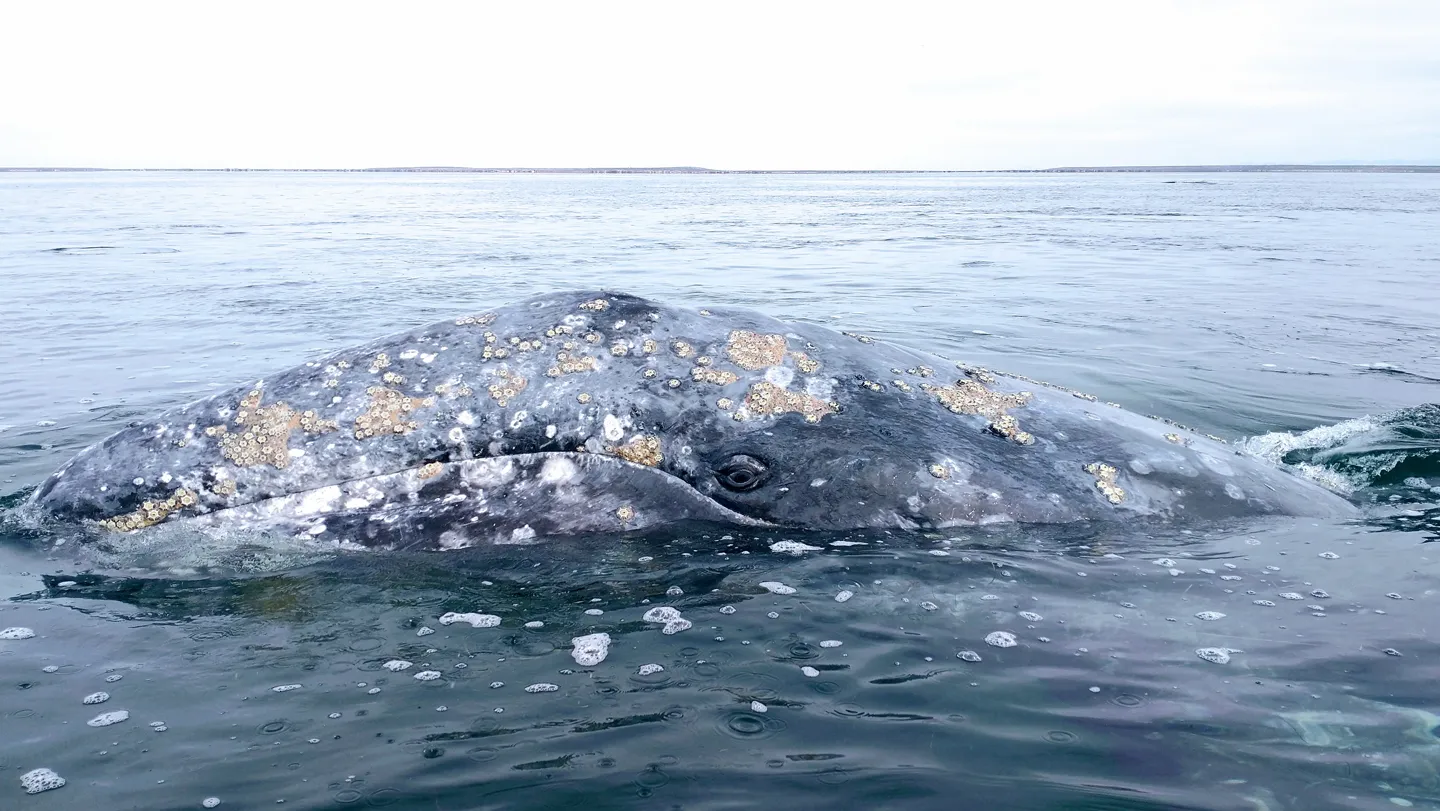
Nearly 1 in 5 Gray Whales Entering San Francisco Bay Die There, Study Finds
Researchers report that approximately 18 percent of photo-identified gray whales visiting San Francisco Bay from 2018 to 2025 died after entering the area. The deaths, often from vessel strikes, coincide with a population decline linked to reduced Arctic food availability. The fi…
 Stat
StatSpyre Therapeutics' SPY001 Drug Meets Primary Goal in Phase 2 Ulcerative Colitis Trial
Spyre Therapeutics announced positive results from the first batch of data in its Phase 2 SKYLINE study for SPY001, an experimental treatment for ulcerative colitis. The drug achieved a 9.2-point decrease in disease activity and induced remission in about 40% of participants afte…