Four Senior Special Operations Leaders Brief Senate Armed Services Committee
The top officers from the Army, Navy, Air Force and Marine Corps special operations components testified before the Senate Armed Services Committee on May 13 2026. The update sets the timeline for congressional review of force structure, readiness and resource requests that govern all U.S. special operations deployments.
 Substrate placeholder — needs review
WASHINGTON, May 13 2026 — Four of the most senior leaders from the U.S. military’s special operations forces community appeared before the Senate Armed Services Committee to provide an update on the SOF components within their respective branches of service.
The briefing covered the current state of special operations forces assigned to U.S. Special Operations Command and the service-specific components: Army Special Operations Command, Naval Special Warfare Command, Air Force Special Operations Command and Marine Corps Forces Special Operations Command.
These commands collectively supply the operators, aircraft, vessels and support elements that execute the majority of U.S. counterterrorism, foreign internal defense, unconventional warfare and direct-action missions worldwide.
The testimony establishes the baseline data Congress will use to evaluate fiscal year 2027 budget requests and any adjustments to authorized personnel end-strength for special operations. Prior to the hearing, the last formal congressional update on the overall SOF enterprise occurred in closed session in late 2025.
The new statements therefore reset the clock for committee staff to incorporate service-specific readiness metrics, platform modernization schedules and operational tempo figures into the National Defense Authorization Act markup now scheduled for June.
Downstream effects include the requirement for the four component commands to deliver follow-on written responses to questions for the record within 30 days, per standard Senate Armed Services Committee procedure. Those responses will feed directly into the markup of line items that fund MH-47G Block II Chinook helicopters, dry combat submersibles, MC-130J Commando II aircraft modifications and the 1,500-operator growth plan for Marine Raiders.
Any changes approved in the NDAA must then be reconciled with the House version before final passage, locking in funding levels that flow to U.S. Special Operations Command by October 1 2026.
This hearing is the first open-session SOF posture update delivered to the full committee since the conclusion of the U.S. withdrawal from Afghanistan in 2021. The original statutory requirement for annual special operations reports to Congress dates to the 1986 Goldwater-Nichols Act and was later strengthened by the 2017 NDAA that directed quarterly briefings on counterterrorism execution.
Primary sources: U.S. Department of Defense · Senate Armed Services Committee hearing record.
Coverage spread
Substrate’s article above is written from the primary record. Below: how mainstream outlets reported the same event.
No mainstream coverage of this story has surfaced yet.
Transparency Panel
Related Stories
 BBC News
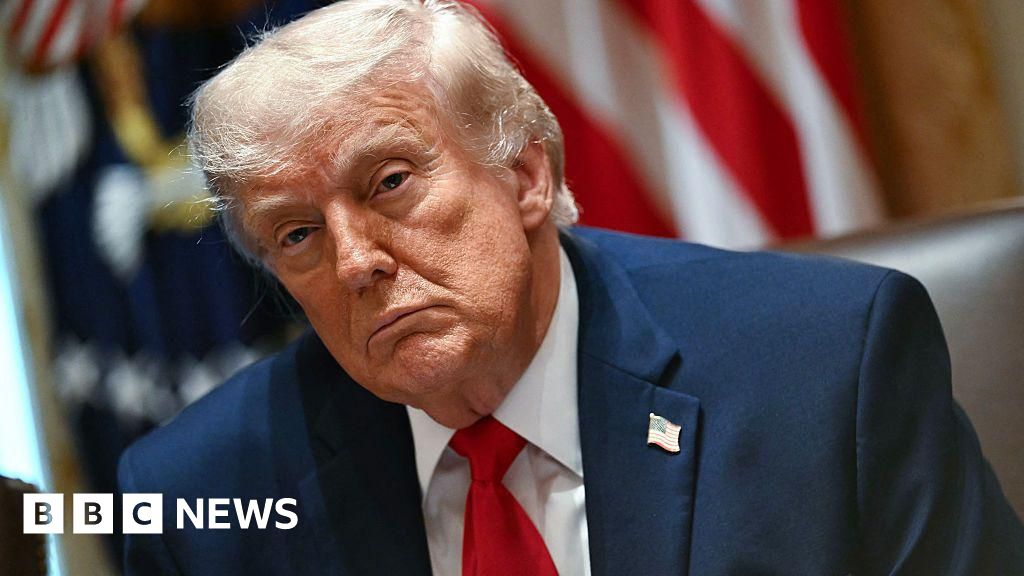
Trump Meets Advisers to Decide on Iran Ceasefire Extension
President Trump said he is holding a Situation Room meeting to make a final decision on a possible deal with Iran. The proposed agreement would extend the ceasefire by 60 days and reopen the Strait of Hormuz.
 middleeasteye.net
Trump to Decide on Iran Deal in Situation Room Meeting
President Trump said Friday he is heading into the Situation Room to make a final determination on a potential agreement with Iran. The proposed deal would reopen the Strait of Hormuz without tolls and require destruction of Iran's highly-enriched uranium.
 realitytea.com
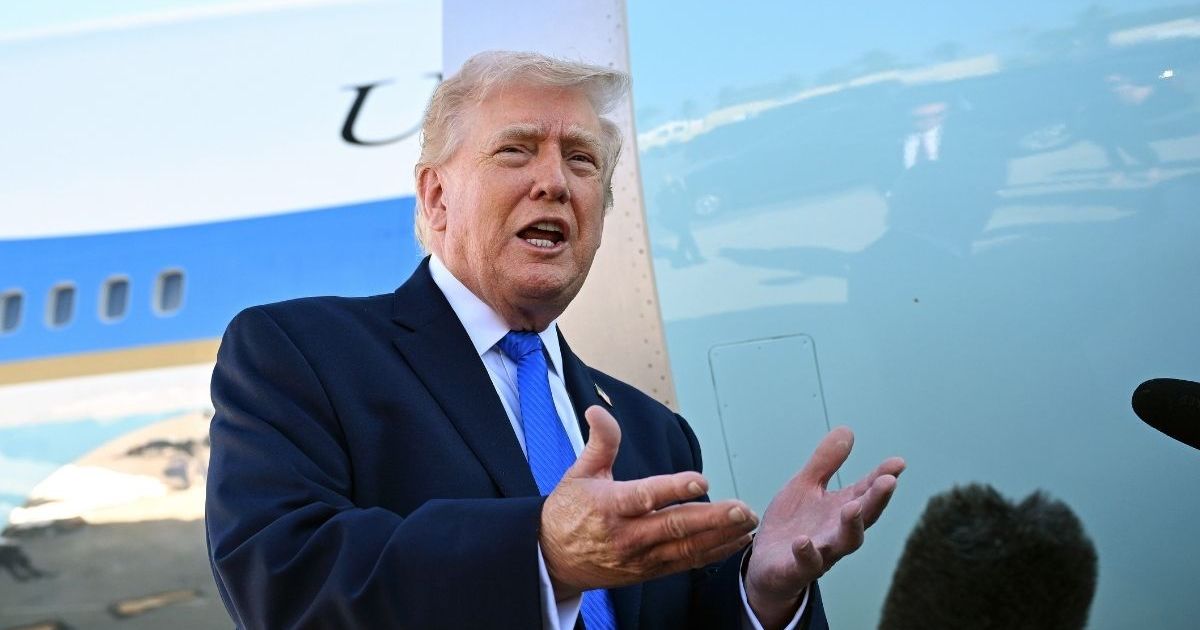
Trump Says U.S. Will Lift Iran Naval Blockade After Nuclear and Hormuz Pledges
President Trump stated the U.S. will end its naval blockade of Iran once Tehran commits to forgoing nuclear weapons and opens the Strait of Hormuz to unrestricted shipping. The announcement came via Truth Social and a live statement.