science
Genetic Analysis Shows Scythian Elite Status Passed Through Family Lines
DNA from 85 Iron Age burials indicates that Scythian elites inherited power across generations and maintained family ties despite geographic separation. Researchers reported the results Friday in Science Advances, drawing on samples from elite and non-elite kurgans in Kazakhstan and nearby sites.
 abcnews.go.com
Audio version
Tap play to generate a narrated version.
Developing·Limited corroboration so far. This page will refresh as more sources emerge.
Genetic analysis of dozens of Scythian burials shows that elite status was inherited and shared among relatives, researchers reported Friday in the journal Science Advances. The study compared DNA from 38 elite and 47 non-elite individuals and found that high-status genomes were more homogenous, with runs of homozygosity indicating common ancestry.
The findings center on the individual known as the Golden Man, whose kurgan was excavated in 1969 in Kazakhstan and dates to roughly 400 BC to 300 BC.
DNA markers indicated the youth was likely male and belonged to the southern Saka subgroup of Scythians. His burial contained iron weapons, bronze artifacts, a silver bowl and more than 4,000 gold ornaments. Scientists also identified family connections across distant sites.
Kurgans of an elite man and his grandchildren were located more than 60 miles apart, and one grandchild buried with elite honors was only 1 year old. Nearly half of the 38 elite individuals examined were female, including the Princess of Urdzhar, whose kurgan held a gold headdress, stone altar and medicinal plants.
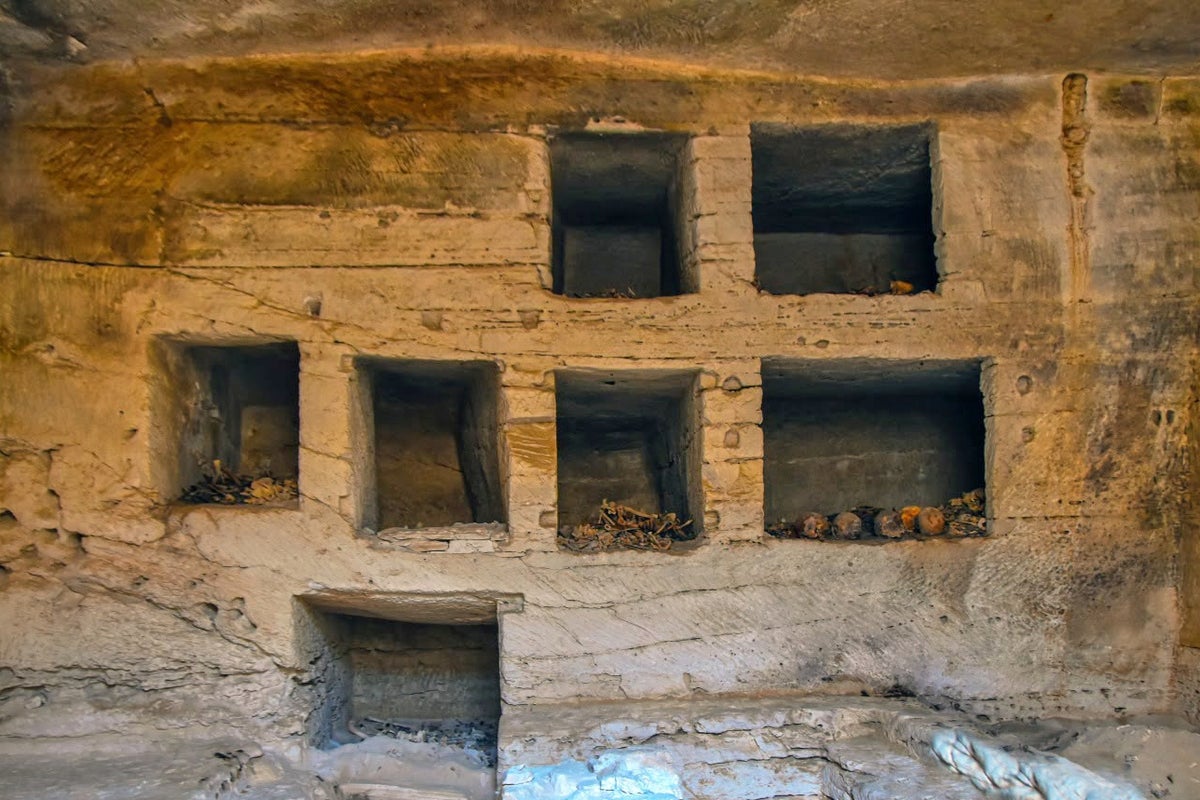
Elite kurgans reached up to 49 feet tall and 345 feet in diameter and often contained corridors, catacombs and side chambers with animal or relative remains.
Some bodies showed signs of mummification or postmortem trepanation. Iron Age populations overall were more genetically diverse than Bronze Age groups, yet elites formed a distinct genetic subgroup. Alicia R. Ventresca-Miller, associate professor of anthropology at the University of Michigan, said the lineage-based system was a key finding because wealth and status passed across generations.