Substrate
world

Incidents Involving Iranian Actions and U.S. Naval Transit in Strait of Hormuz

Iran fired warning shots at U.S. Navy ships transiting the Strait of Hormuz on May 4, 2026, as part of multiple incidents in the region. The attacks also included a strike on a South Korean merchant vessel and drones and missiles targeting the United Arab Emirates. U.S. Air Force aerial refueling activity has increased in response.

SE
1 source·May 4, 7:25 PM(1 day ago)·1m read
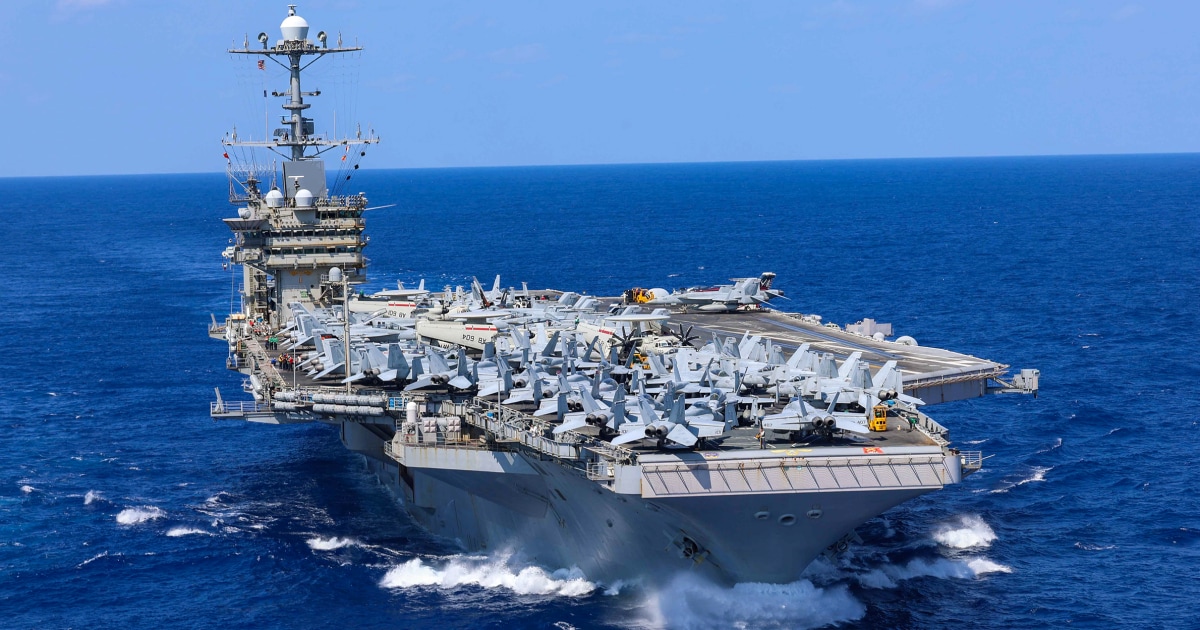
Incidents Involving Iranian Actions and U.S. Naval Transit in Strait of HormuzDoD photo by Petty Officer 3rd Class Christopher Mobley, U.S. Navy. / Wikimedia (Public domain)
Audio version
Tap play to generate a narrated version.
Developing·Limited corroboration so far. This page will refresh as more sources emerge.

U.S. Navy ships transiting the Strait of Hormuz on Sunday, @sentdefender reported. The incident marked one of several escalatory events in the region that day, heightening tensions in the vital shipping waterway.

Hours earlier, Iranian forces had attacked a South Korean merchant vessel with unknown projectiles, further disrupting maritime traffic. Several drones and missiles were launched toward the United Arab Emirates later that afternoon, according to the same reporting.

No immediate casualties were reported from the vessel strike or aerial assault, but the proximity to international shipping lanes amplified the risks. U.S. Air Force activity in the region visibly increased following the incidents.

Flight tracking data showed nine KC-135 Stratotankers and four KC-46A Pegasus aerial refueling aircraft active, supporting extended operations over the area. The uptick in refueling assets suggests preparations for potential prolonged air patrols or readiness for escalation, as these tankers enable fighter jets to remain airborne longer without returning to base.

The Strait of Hormuz, a narrow chokepoint through which about 20% of global oil passes, has long been a flashpoint for such confrontations.

U.S. Navy ships occurred as the vessels moved through the strait, a routine transit now shadowed by these warnings.

U.S. Officials have not yet detailed any evasive maneuvers taken. The attack on the South Korean-flagged merchant vessel involved projectiles of unknown type, striking the hull but not sinking the ship, per the report. Crew members aboard were unharmed, and the vessel continued its voyage after the incident.


This follows a series of similar harassment tactics in the strait over recent months, though today's events stand out for their multiplicity. Interceptors downed most of the projectiles mid-flight, limiting damage to minor impacts on outlying facilities.

The UAE's defense ministry confirmed the interceptions without elaborating on retaliatory plans. S. military posture shifted swiftly, with the additional Stratotankers and Pegasus aircraft appearing on public flight trackers within hours of the first reports.

U.S. commitment to freedom of navigation amid Iranian provocations.

Key Facts

Iran fired warning shots at U.S. Navy ships
The incident occurred during transit of the Strait of Hormuz on May 4, 2026.
Attack on South Korean vessel
Involved unknown projectiles, reported the same day without casualties.
Drones and missiles targeted UAE
Launched on May 4, 2026, with most intercepted.
U.S. Air Force response
Nine KC-135 Stratotankers and four KC-46A Pegasus aircraft active via Flightradar24.

Story Timeline

4 events
  1. 2026-05-04 (morning)

    Iran fires warning shots at U.S. Navy ships transiting the Strait of Hormuz.

    1 source@sentdefender
  2. 2026-05-04 (midday)

    Iran attacks a South Korean merchant vessel with unknown projectiles.

    1 source@sentdefender
  3. 2026-05-04 (afternoon)

    Several drones and missiles are fired at the United Arab Emirates.

    1 source@sentdefender
  4. 2026-05-04 (evening)

    U.S. Air Force increases activity with 9 KC-135 Stratotankers and 4 KC-46A Pegasus aircraft active in the region.

    1 source@sentdefender

Potential Impact

  1. 01

    Increased U.S. aerial refueling presence enables extended air operations, potentially deterring further Iranian actions.

  2. 02

    Heightened tensions may lead to UAE bolstering air defenses, straining regional alliances.

  3. 03

    Disruption to merchant shipping in the Strait of Hormuz could raise global oil prices if incidents persist.

  4. 04

    No immediate casualties reported, but risk of escalation involving U.S. assets grows.

Transparency Panel

Sources cross-referenced1
Confidence score75%
Synthesized bySubstrate AI
Word count325 words
PublishedMay 4, 2026, 7:25 PM
Bias signals removed2 across 2 outlets
Signal Breakdown
Loaded 2

Related Stories

Explosion at China Fireworks Factory Kills 26 and Injures 61 in Hunan ProvinceEric Jones / Wikimedia (CC BY-SA 2.0)
world1 hr ago

Explosion at China Fireworks Factory Kills 26 and Injures 61 in Hunan Province

An explosion at the Huasheng Fireworks Manufacturing and Display Company in Liuyang, Hunan province, killed at least 26 people and injured 61 on Monday afternoon. Rescue operations concluded with evacuations and production halts at local fireworks manufacturers. President Xi Jinp…

SC
The Guardian
BBC News
South China Morning Post
4 sources
Trump Pauses Project Freedom in Strait of Hormuz Amid Progress on Iran Agreementindiatoday.intoday.in
world1 hr agoUpdated

Trump Pauses Project Freedom in Strait of Hormuz Amid Progress on Iran Agreement

President Trump announced a temporary pause to Project Freedom, the U.S. effort to escort ships through the Strait of Hormuz, citing mutual agreement with Iran to facilitate finalizing a deal while the blockade remains in place. The decision follows requests from Pakistan and oth…

The Independent
cnbc.com
DE
NE
FI
+89
96 sources
Australian Government Introduces Levy on Tech Platforms to Support Local News PublishersSouth Australian Railways photographer / Wikimedia (Public domain)
world1 hr ago

Australian Government Introduces Levy on Tech Platforms to Support Local News Publishers

Australia's government introduced the News Bargaining Incentive to shield publishers from big tech's use of news content. President Trump imposed a 100% tariff on imported pharmaceuticals, but Australia stated it would not raise drug prices. On International Day of the Midwife, g…

WH
The New York Times
The Guardian
NPR
4 sources