Iran Introduces New Transit Rules for Ships in Strait of Hormuz
Iran has established a new approval process for vessels passing through the Strait of Hormuz. The system requires security clearances, transit fees, and possible insurance coverage for some ships.
Iran has introduced a new transit regime for the Strait of Hormuz that requires ships to obtain authorization before passage. The controlled maritime zone extends from Kuh-e Mubarak in Iran to south of Fujairah in the United Arab Emirates at the eastern entrance and from the tip of Qeshm Island to Umm al-Quwain at the western entrance.
Iranian authorities say they are coordinating vessel movements through the passage. Officials reported that 26 ships transited under their oversight on Thursday. The announcements follow earlier reports that Iran is developing a system using security clearances, transit fees, and potentially Bitcoin-backed insurance.
According to a Reuters investigation, the system uses a tiered approval process. Vessels linked to Russia and China reportedly receive priority access, followed by ships from India and Pakistan. Other vessels require separate government agreements or direct approval from Iranian authorities.
Ship captains and operators can apply directly via email for permission to cross the waterway. Applicants receive an Excel spreadsheet requesting detailed information about the vessel and cargo. Reuters could not independently determine how many vessels have used the scheme so far.
Iran has said ships linked to the United States or Israel may not cross the strait. Two European shipping sources told Reuters some vessels not covered by formal agreements were paying large sums, in some cases more than $150,000, to secure safe passage.
Ships seeking approval must undergo screening overseen by Iranian authorities. Operators submit documents disclosing cargo details, the ship's owner and manager, flag state, departure and destination ports, and crew nationalities. The process can reportedly take about a week and may include physical inspections.
An IRGC-affiliated news agency reported that Iranian officials are advancing a plan for digital maritime insurance coverage using Bitcoin payments. The longer-term goal is to require vessels using the strait to obtain Iranian-issued insurance or financial responsibility certificates.
The reports come as Iran increasingly turns to cryptocurrencies to work around Western sanctions and restrictions on access to the global banking system.
Key Facts
Story Timeline
3 events- Thursday
Iranian officials reported 26 ships transited under their oversight.
1 sourceAbc - Recent days
Iran published a map declaring a controlled maritime zone across the Strait of Hormuz.
1 sourceAbc - Late February
United States and Israel launched aerial attacks on Iran.
1 sourceAbc
Potential Impact
- 01
Shipping companies may need to adjust routes or obtain new approvals.
- 02
Global energy markets could face higher costs if transit delays increase.
- 03
Payments to Iranian entities could trigger U.S. sanctions enforcement actions.
Transparency Panel
Related Stories
 BBC News
Trump Meets Advisers to Decide on Iran Ceasefire Extension
President Trump said he is holding a Situation Room meeting to make a final decision on a possible deal with Iran. The proposed agreement would extend the ceasefire by 60 days and reopen the Strait of Hormuz.
 middleeasteye.net
Trump to Decide on Iran Deal in Situation Room Meeting
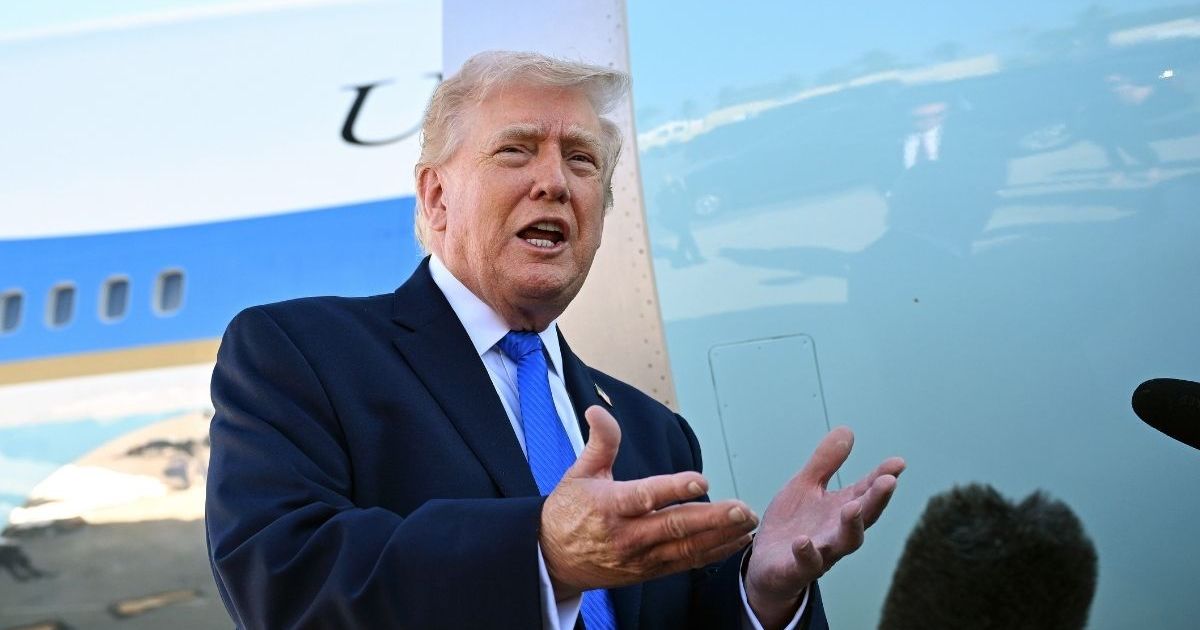
President Trump said Friday he is heading into the Situation Room to make a final determination on a potential agreement with Iran. The proposed deal would reopen the Strait of Hormuz without tolls and require destruction of Iran's highly-enriched uranium.
 realitytea.com
Trump Says U.S. Will Lift Iran Naval Blockade After Nuclear and Hormuz Pledges
President Trump stated the U.S. will end its naval blockade of Iran once Tehran commits to forgoing nuclear weapons and opens the Strait of Hormuz to unrestricted shipping. The announcement came via Truth Social and a live statement.