Kenya Implements New Public Benefit Organizations Regulations Replacing 1992 NGO Rules
The Public Benefit Organizations Regulations 2026, approved by Parliament in April, operationalize the 2013 PBO Act and automatically transition legacy NGOs into the new framework. Organizations face stricter governance, reporting and fee requirements under the Public Benefit Organizations Regulatory Authority.
 usethebitcoin.com
Kenya's nonprofit sector entered a new legal framework on Thursday with the rollout of the Public Benefit Organizations (PBO) Regulations, 2026. The rules, approved by Parliament in April 2026, operationalize the Public Benefit Organizations Act passed in 2013 and officially replace the NGO Coordination Regulations of 1992.
Organizations previously registered under the repealed NGO Coordination Act of 1990 will automatically transition into PBOs under Regulation 43.
They must submit updated constitutions, governance details, minutes approving the transition and existing NGO registration certificates to the Public Benefit Organizations Regulatory Authority. PBORA will then issue new certificates reflecting their updated PBO status. New organizations seeking registration must meet stricter governance standards.
Every organization must have at least five directors, with no more than three related by family ties. At least one-third of directors must be Kenyan residents. Registration applications require full disclosure of KRA PINs, National IDs or passport details, physical addresses, phone numbers and email contacts of all officials.
AllAfrica reported that these transparency measures form a central pillar of the new regime. Once registered, PBOs face ongoing compliance obligations. They must maintain audited accounts, annual financial statements, asset inventories and annual activity reports.
Organizations must notify PBORA of material changes including shifts in directors, constitutional amendments, new banking arrangements, address changes or alterations in authorized agents. Some material changes require reporting within 30 days while others allow a 60-day window. Every registered PBO must submit annual reports to PBORA using prescribed forms.
Failure to comply with reporting obligations could lead to investigations, sanctions or deregistration. PBORA holds broad powers to conduct inquiries into financial irregularities, non-compliance with the law, governance disputes and suspicious activities.
The authority can deregister organizations that fail to comply with the law, remain inactive for three years, engage in money laundering or economic crimes, or violate Kenyan laws.
Before any deregistration, organizations must be notified and given an opportunity to respond or correct violations. The regulations also permit PBOs to engage in lawful economic activities to support their charitable work provided they obtain necessary licenses, follow sound financial practices and use profits only to support public benefit activities.
The new framework introduces a clear fee structure.
Registration as a national PBO costs Sh25,000 while an international PBO faces a Sh45,000 fee. The annual reporting fee stands at Sh2,000, the fee for changing officials or constitutions is Sh4,000 and changing an organization's name costs Sh15,000. The regulations formally recognize self-regulation forums.
A self-regulation forum must consist of at least 10 registered PBOs operating within related sectors or regions. Federations of forums can be established if at least five forums come together. AllAfrica reported that the 2026 Regulations represent the first comprehensive implementation framework for the PBO Act, which was passed in 2013 but remained largely dormant for years.
The government intends the rules to improve accountability, strengthen governance, enhance transparency in donor-funded organizations, standardize nonprofit operations and reduce risks related to terrorism financing and financial crimes. For Kenya's nonprofit sector the changes mark one of the most significant legal and administrative shifts in more than three decades.
Transparency
Reported by a single outlet. This score reflects source tier and factual specificity — corroboration is limited with one source.
Story details
Related Stories
 thehindu.com
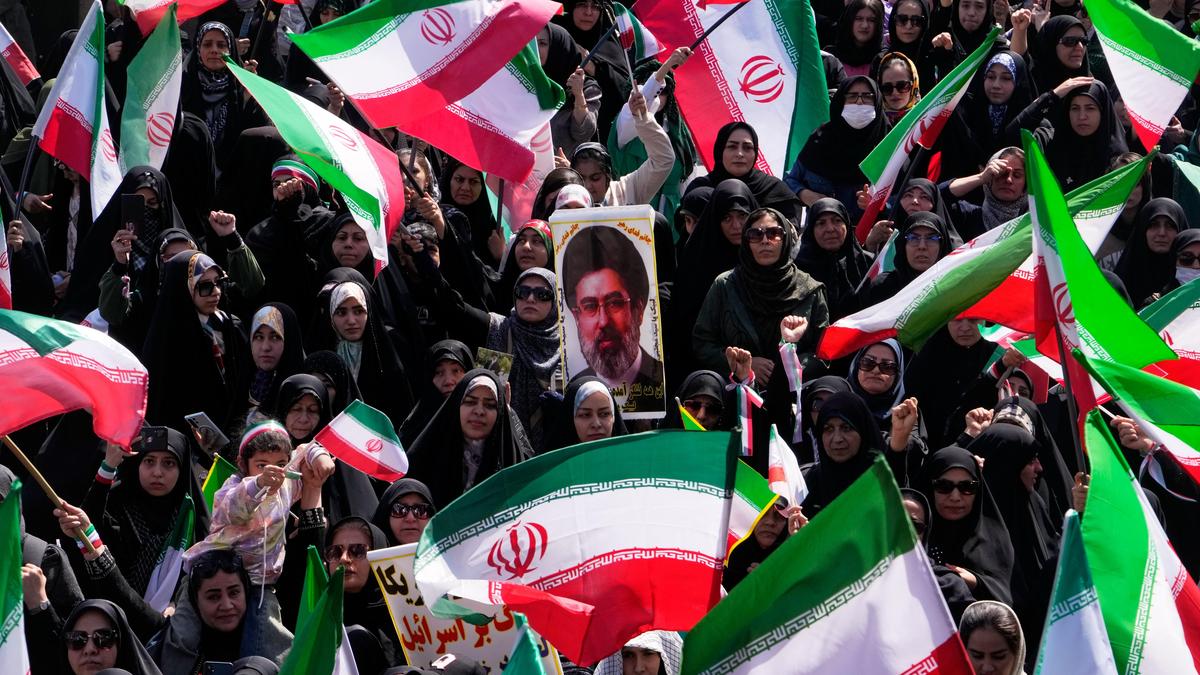
Rubio Tells Congress Iran's Mojtaba Khamenei Is Alive and Increasingly Active as U.S. Seeks Concessions
Marco Rubio testified before Congress on Tuesday that Iran's Supreme Leader Mojtaba Khamenei is alive and increasingly engaged. He also restated U.S. commitment to reopening the Strait of Hormuz.
 theepochtimes.com
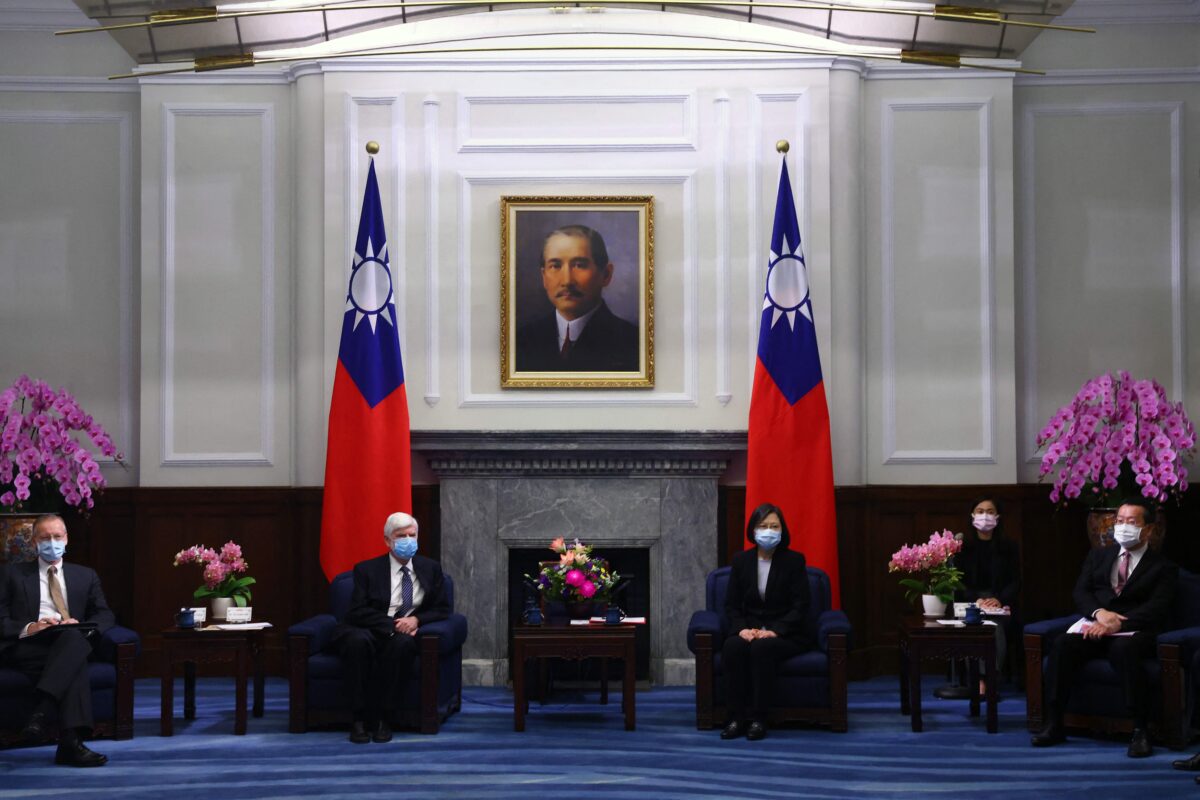
U.S. Policy on Taiwan Remains Unchanged, Secretary of State Says
Secretary of State Marco Rubio told a Senate committee that Washington continues to seek preservation of the current status quo with Taiwan. The statement follows last month's summit between the U.S. president and Chinese President Xi Jinping.
 Breaking Defense
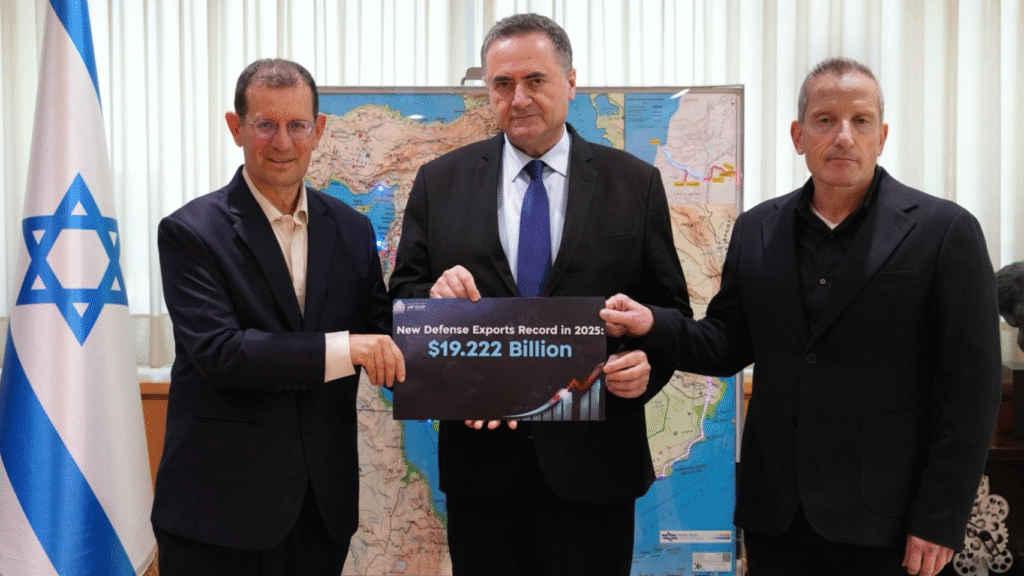
Israel Defense Exports Hit Record $19.2 Billion in 2025
The Israeli Ministry of Defense reported defense exports reached $19.2 billion last year, a nearly 30 percent increase from 2024. Government-to-government deals accounted for a record $10 billion of the total.