NATO Launches Eastern Sentry Operation Along Eastern Flank
NATO has launched Eastern Sentry, a multi-domain operation to increase vigilance along its eastern flank following airspace violations by Russian aircraft and drones in September 2025. The activity builds on a decade of measures to strengthen deterrence and defence in the region, including enhanced forward presence battlegroups and rapid reinforcement capabilities.
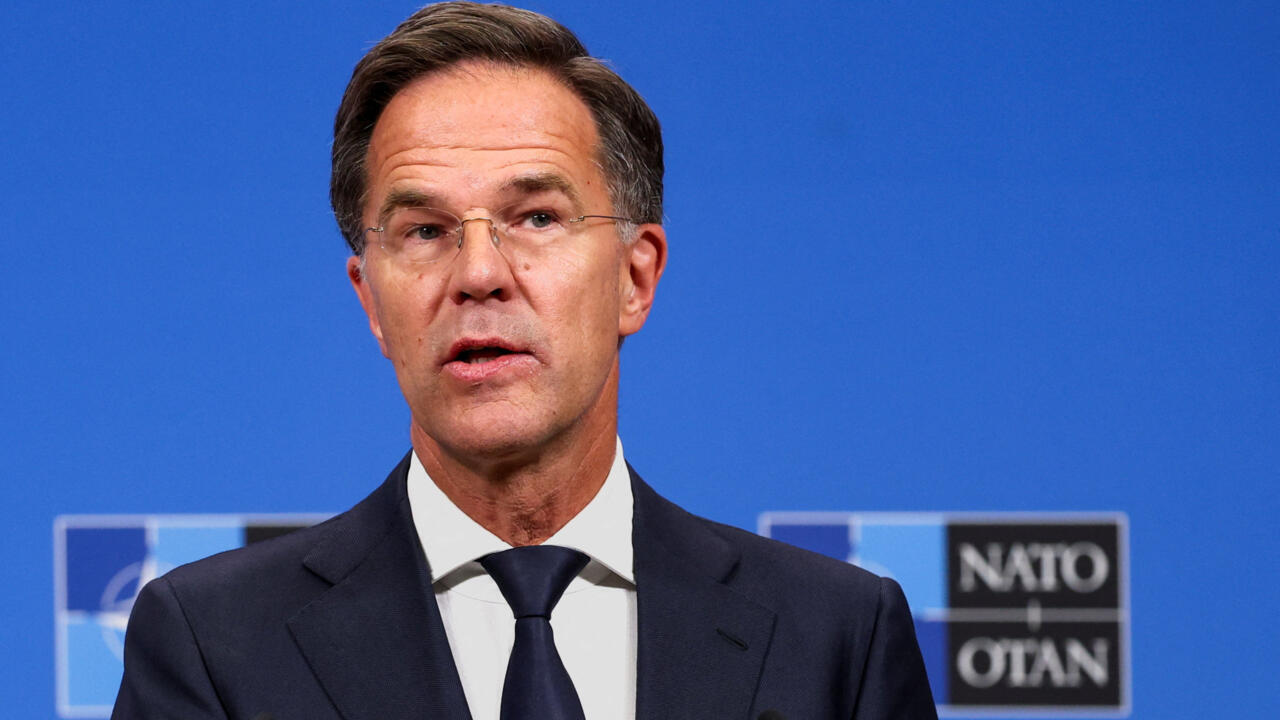 france24.com
NATO has reinforced its deterrence and defence posture in the eastern part of the Alliance over the past decade in response to Russia's actions. The measures include military activities, enhanced cyber capabilities and defences, and mutual support in the event of cyber attacks.
Members have increased intelligence-sharing and surveillance across air, land, maritime, space and cyberspace domains to improve situational awareness and coordinate responses. Allies are also enhancing preparedness for chemical, biological, radiological and nuclear threats, strengthening energy security, and boosting resilience through tools that track patterns indicating hostile actions.
Russia has conducted airspace violations along NATO's eastern flank for many years. These actions increased in recent months, including a high number of incursions in September 2025 by Russian drones and planes. The violations involved Russian drones entering Polish airspace and fighter jets entering Estonian airspace, which led to security consultations under Article 4 of the North Atlantic Treaty.
In response, NATO launched Eastern Sentry, a flexible multi-domain activity designed to enhance vigilance along the entire eastern flank. Through the operation, Allies are contributing additional capabilities including more fighter jets, helicopters, transport aircraft, air defence systems, surveillance aircraft and frigates.
The activity improves coordination of these assets through NATO command structures. Eastern Sentry builds on experience from Baltic Sentry and incorporates new technologies and tactics. It forms part of broader efforts that also address hybrid threats and civil preparedness.
Since 2014 NATO increased its military presence in eastern member states following Russia's annexation of Crimea in 2014. At the Wales Summit that September, Allies agreed to the Readiness Action Plan to respond to changes in the security environment.
At the 2016 Warsaw Summit, Allies decided to establish an enhanced Forward Presence in the northeast and a tailored Forward Presence in the southeast. By August 2017, four multinational battlegroups became fully operational in Estonia, Latvia, Lithuania and Poland.
In November 2018, NATO increased its presence in the Black Sea region and expanded support for Georgia and Ukraine with additional training and exercises. Following Russia's full-scale invasion of Ukraine on 24 February 2022, Allies deployed additional ships, planes and troops to the eastern flank.
This included thousands more soldiers in battlegroups, extra fighter jets for air policing, bolstered naval forces in the Baltic and Mediterranean seas, and the first deployment of the highest-readiness element of the NATO Response Force to Romania.
At the March 2022 extraordinary Summit in Brussels, Allied leaders agreed to establish four additional multinational battlegroups in Bulgaria, Hungary, Romania and Slovakia.
Key Facts
Story Timeline
5 events- September 2025
Russian drones and planes conducted multiple airspace violations including over Poland and Estonia.
1 source@NATO - September 2025
NATO launched Eastern Sentry operation in response to the violations.
1 source@NATO - March 2022
NATO agreed to establish four additional multinational battlegroups in Bulgaria, Hungary, Romania and Slovakia.
1 source@NATO - February 2022
Following Russia's invasion of Ukraine, NATO deployed additional forces and activated high-readiness elements.
1 source@NATO - August 2017
Four multinational battlegroups became fully operational in Estonia, Latvia, Lithuania and Poland.
1 source@NATO
Potential Impact
- 01
Additional multinational battlegroups in four countries remain in place as part of the reinforced posture.
- 02
Allies will contribute more fighter jets, helicopters, air defence systems and frigates to eastern flank operations.
- 03
NATO coordination of surveillance and intelligence-sharing across multiple domains is expected to increase.
- 04
Use of new technologies and tactics in Eastern Sentry may improve NATO's response to hybrid threats.
Transparency Panel
Related Stories
 BBC News
Trump Meets Advisers to Decide on Iran Ceasefire Extension
President Trump said he is holding a Situation Room meeting to make a final decision on a possible deal with Iran. The proposed agreement would extend the ceasefire by 60 days and reopen the Strait of Hormuz.
 middleeasteye.net
Trump to Decide on Iran Deal in Situation Room Meeting
President Trump said Friday he is heading into the Situation Room to make a final determination on a potential agreement with Iran. The proposed deal would reopen the Strait of Hormuz without tolls and require destruction of Iran's highly-enriched uranium.
 realitytea.com
Trump Says U.S. Will Lift Iran Naval Blockade After Nuclear and Hormuz Pledges
President Trump stated the U.S. will end its naval blockade of Iran once Tehran commits to forgoing nuclear weapons and opens the Strait of Hormuz to unrestricted shipping. The announcement came via Truth Social and a live statement.