Nebraska Enacts Medicaid Work Requirements Under Federal Law
Nebraska implemented work requirements for certain Medicaid enrollees starting May 1, becoming the first state to do so under a federal law mandating such rules by 2027. The policy affects about 70,000 people and includes exemptions for health conditions and caregiving. Officials aim to minimize coverage losses through automation and self-attestation.
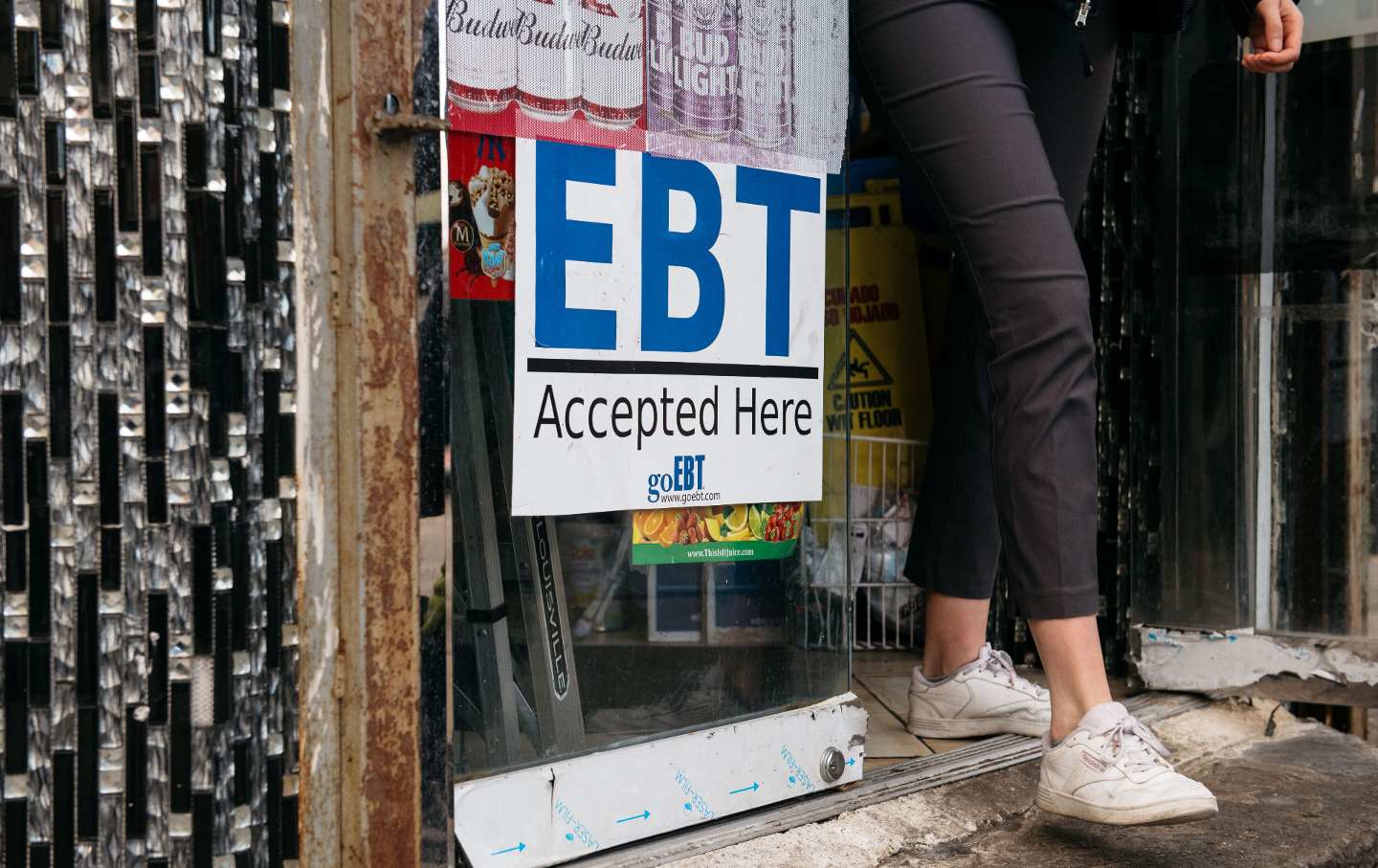
thenation.comNebraska has become the first U.S. state to implement work requirements for Medicaid enrollees, starting May 1, 2026. The rules, mandated by the One Big Beautiful Bill Act signed by President Trump in July 2025, require affected adults to work, volunteer, attend school, or qualify for exemptions.
The federal deadline for states is January 2027, but Nebraska launched eight months early. The policy applies to approximately 70,000 enrollees who gained coverage through Nebraska's Medicaid expansion, which covers adults with incomes up to 138% of the federal poverty level.
Enrollees must document at least 80 hours per month of work, volunteering, job training, or part-time schooling. Exemptions include those with certain health conditions, caregivers for children under 13 or disabled parents, and other specified categories.
State officials stated that about 72% of affected enrollees will not need to take action, as their compliance can be verified through existing state and national databases, including Medicaid claims and credit agency data. For others, an online form allows self-attestation for exemptions like volunteering, schooling, or medical frailty without requiring supporting documents such as medical records.
The state posted a list of qualifying health conditions last week, covering various cancers, mental health issues, and heart conditions.
“Our top priority is making sure members clearly understand changes to the program and how to maintain their coverage." — Drew Gonshorowski, Nebraska's Medicaid director, in an early-April news release (NPR). Nebraska's Department of Health and Human Services is not adding staff for implementation, relying instead on automation. A spokesperson said the state will tap into multiple databases to confirm employment or exemption status. Enrollees who fail to comply risk losing coverage, though officials aim to avoid administrative drop-offs.”

Advocates and health providers expressed worry that thousands could lose coverage due to paperwork issues or unawareness. A recent study found that about one-third of at-risk adults have physical or mental illnesses or disabilities. In Nebraska, where the unemployment rate is 3%, two-thirds of expansion enrollees already work or attend school, according to health policy research.
Hospitals anticipate financial strain from more uninsured patients. The president and CEO of the Nebraska Hospital Association said an increase in uninsured individuals could hurt bottom lines, with many enrollees potentially unaware of the changes.
Community health centers plan to add staff to assist with forms, estimating a 10% patient loss could cost $500,000 in revenue. One enrollee, who works three jobs but lacks employer-provided insurance, said adding barriers won't improve the program. Another, unemployed since 2024 and relying on a service dog for anxiety, described heightened depression over potential coverage loss.
Advocacy groups criticized the exemption list as insufficient, noting it omits varying illness severities.
The administrator emphasized the need for documentation over self-attestation in federal rules expected this summer. The federal law applies to 42 states and the District of Columbia that expanded Medicaid under the 2010 Affordable Care Act, affecting over 20 million people.
The Congressional Budget Office estimates 4.8 million will become uninsured over the next decade due to the work requirement. Republicans pushed the policy to encourage workforce participation among able-bodied adults. Past implementations in other states showed challenges.
Georgia's partial expansion with work rules enrolled only 8,000 in two years, far below projections, with many denied for administrative reasons.
Montana plans to launch in July 2026, and Iowa in December 2026.
Other states will monitor Nebraska for lessons, as they prepare for the January 2027 deadline. Consultants noted states are better equipped now, with experience from post-COVID eligibility checks and improved communication. The law also shortens retroactive eligibility from three months to one for expansion enrollees, raising hospital concerns about uncovered emergency costs.
Advocacy groups highlighted risks for those with chronic conditions, like diabetes or HIV, who could lose access to medications. House Speaker Mike Johnson stated during debate that the requirement preserves Medicaid for those who deserve it, not for able-bodied adults avoiding work.
Studies indicate most Medicaid adults already work, study, or face employment barriers.
“This is not a case that we have mostly healthy adults choosing not to work. It's a vulnerable group.”
Key Facts
Story Timeline
5 events- May 1, 2026
Nebraska implemented Medicaid work requirements for certain enrollees.
4 sourcesWashington Times · Just the News · NPR - April 28, 2026
CMS Administrator Mehmet Oz commented on Nebraska's implementation during an interview.
1 sourceNPR - Early April 2026
Nebraska Medicaid director issued a news release on program changes.
1 sourceNPR - July 4, 2025
President Trump signed the One Big Beautiful Bill Act mandating work requirements.
3 sourcesWashington Times · Just the News · NPR - 2018
Arkansas implemented and later halted Medicaid work requirements.
1 sourceNPR
Potential Impact
- 01
Nationwide, 4.8 million people will become uninsured over the next decade.
- 02
Thousands of Nebraska enrollees could lose Medicaid coverage due to paperwork issues.
- 03
Other states will adapt implementation based on Nebraska's early experiences.
- 04
Federal rules on documentation will shape self-attestation policies in states.
- 05
Hospitals in Nebraska will face increased costs from uninsured patients.
- 06
Community health centers will add staff to assist with compliance forms.
Transparency Panel
Related Stories
France 24Russian Strikes Kill at Least 28 in Ukraine Ahead of Announced Ceasefire
Ukraine announced a unilateral 24-hour ceasefire due to begin at midnight on Wednesday after Russia requested a pause for its Saturday military parade. Russian forces struck multiple cities overnight with 108 drones and three missiles, killing at least 28 civilians on Tuesday in…
indiatoday.intoday.inPalm Beach County Commissioners Approve Renaming Airport After President Trump
Palm Beach County approved a licensing agreement yesterday with the Trump family business to enable the renaming of Palm Beach International Airport after President Trump. The agreement bars profits from on-site branded merchandise while granting the family control over biographi…
The War ZoneUAE Reports Iranian Missile Attacks as US Ceasefire Holds
The United Arab Emirates said its air defenses intercepted Iranian missiles and drones on May 5. U.S. officials reported more than 10 Iranian attacks on American forces since an April 7 ceasefire, along with strikes on commercial vessels in the Strait of Hormuz. President Trump p…