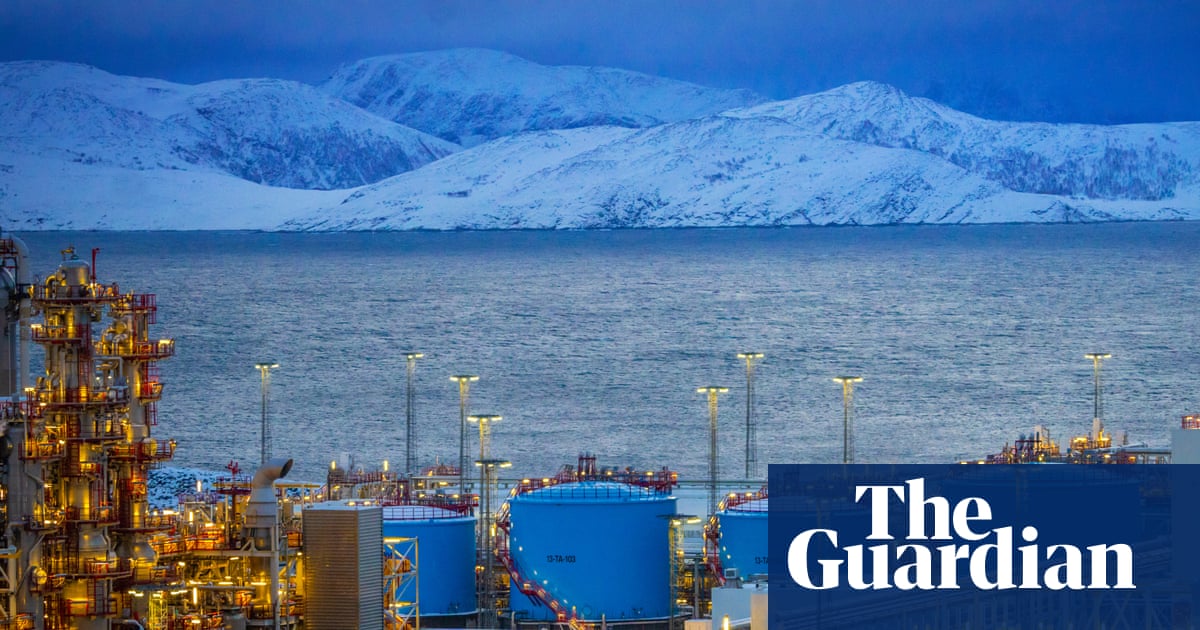
Norway to Reopen Three North Sea Gas Fields by 2028
Norway's energy minister announced the reopening of three gas fields closed in 1998 to help maintain production levels through the rest of the decade. The decision follows disruptions to European energy supplies from the war in Ukraine and events in the Middle East. The country aims to sustain output of about 2 million barrels of oil per day while expanding activity on its continental shelf.
The GuardianNorway will reopen three gas fields in the North Sea that were closed in 1998, with production scheduled to resume by the end of 2028. The energy minister said the move addresses shortfalls in European energy supplies linked to the war in Ukraine and disruption to supplies from the Middle East.
The decision is intended to keep overall gas and oil production near the level recorded in 2025, which has remained stable for nearly 20 years. The country operates 97 offshore oil fields, with three new ones starting production last year. The Norwegian Offshore Directorate projects more than 100 fields within the next two years.
Output is expected to hold at least at the current rate of 2 million barrels of oil per day. The Barents Sea in the high north has been identified as the next frontier for gas and oil development. Initial surveys have also indicated potential for seabed mineral mining between northern Norway and Greenland, though that remains a longer-term prospect.
The energy minister stated that Norwegian offshore production plays an important role in ensuring energy security in Europe. He added that the world and Europe will need oil and gas for decades, making it crucial for Norway to continue developing its continental shelf as a reliable supplier with a high level of exploration activity.
The announcement has drawn criticism from environmental campaigners and some political parties. The environment agency advised against reopening the Albuskjell, Vest Ekofisk and Tommeliten Gamma fields. One opposition party accused the government of greenwashing and said the decision ignored advice from its own experts while putting vulnerable natural areas at risk.

The Norwegian energy company Equinor, in which the state owns 67 percent, said it is making a big effort to maintain its 2020 production level of 1.2 million barrels per day through 2035. The company plans to invest $6 billion annually in drilling, new developments and pipelines to arrest any decline.
State holdings in the company are projected to yield about £2 billion in dividends this year.
The energy minister emphasized the importance of job security for the 210,000 people employed in Norway's energy industry. He described the country as having a responsibility to increase investment in response to requests from European partners for more oil and gas deliveries following the war in Ukraine.
A consistent 78 percent tax rate on oil and gas firms, in place since the 1970s, has provided predictability for investors and forms a mainstay of Norway's £1.5 trillion sovereign wealth fund. The chief economist at the Norwegian Offshore Directorate said the aim is to prolong production as long as possible and increase output where feasible.
Norwegian gas currently supplies about one third of Europe's consumption. The country is prioritising further drilling and offshore production well into the 2030s.
Key Facts
Story Timeline
4 events- This week
Energy minister announced reopening of three North Sea gas fields by end of 2028.
1 sourceThe Guardian - 1998
Albuskjell, Vest Ekofisk and Tommeliten Gamma gas fields were closed.
1 sourceThe Guardian - Last year
Three new offshore oil fields came on stream.
1 sourceThe Guardian - Next two years
Norwegian Offshore Directorate expects more than 100 fields in production.
1 sourceThe Guardian
Potential Impact
- 01
State dividends from energy holdings are expected to reach about £2 billion this year.
- 02
Equinor plans $6 billion in annual investment to sustain production levels until 2035.
- 03
Norwegian gas supply to Europe is projected to remain at one third of consumption through the 2030s.
- 04
Further exploration activity is scheduled in the Barents Sea and potential seabed mining areas.
Transparency Panel
Related Stories
zerohedge.comNuclear Winter Could Cause Billions of Starvation Deaths Researchers Say
Scientific models indicate that large-scale nuclear exchanges would trigger atmospheric soot injection leading to sharp drops in global temperatures and synchronized agricultural failures across continents. Modern societies operate with limited food reserves and tightly coupled s…
Abc NewsFuel Shortages Drive Electric Vehicle Adoption in Africa Led by Ethiopia
Africa imported 44,358 electric vehicles from China in 2025, up from 19,386 the previous year. Ethiopia accounted for a third of those imports after banning new gasoline and diesel vehicle imports in 2024 and now has more than 115,000 EVs on its roads. Officials are accelerating…
EuronewsEU Bars Airlines From Adding Fuel Surcharges After Ticket Purchase
The European Commission ruled that airlines cannot add fuel surcharges to tickets already sold in the EU, even as jet fuel prices have more than doubled since the Iran conflict began in February. The guidance follows Spanish carrier Volotea applying such fees of up to €14.